Save on car insurance in Truro.
We’re one of Truro’s largest independent brokers. We specialize in auto insurance. With a simple online quote or a quick call, you will get quotes from up to eight insurance companies. And with savings of up to 30%, you’ll be on the road with Truro’s best auto protection and benefits. That’s a promise.
Truro, the heart of Nova Scotia.

Truro is located in the heart of Nova Scotia and has been called one of the best places to live in all of Canada, so we know why you live there. As the ‘Hub of Nova Scotia’, the Town is bustling and busy with urban development, but chock-full of character and charm. With parks and trails to boutique shopping and live performances, you know how to live life here. Your insurance can be as unique as your route and your world. At Munn Insurance you can find the most competitive auto insurance in Truro and save while you’re doing it.
Driving in Truro – Tips to keep you on the road.
HELP KEEP WORKERS SAFE.
When an emergency vehicle is pulled over with its lights flashing, the law is motorists must slow down to 60 km/h or obey the speed limit if it’s lower than 60 km/h. If the road has two or more lanes in one direction, motorists must also move into another lane farther away from the stopped vehicle if it can be done safely. A motorist must obey these laws for ambulances, police vehicles, fire department vehicles, Department of Lands and Forestry fire vehicles, fire chiefs’ or deputy fire chiefs’ vehicles, conservation officers’ vehicles, motor vehicle and carrier inspectors’ vehicles, public safety vehicles such as sheriffs and bridge patrol officers, and tow trucks that are stopped at the scene of a fire or collision or assisting a vehicle. A fine can be as high as $350 for a first offence, with the potential to go higher.
CHECK YOUR VEHICLE.
Always keep your car well maintained. Make sure your tires are properly inflated, and your fluids are all at proper levels. Maintain a consistent check that your vehicle’s equipment is functioning properly. Also, seasons change abruptly in the Maritimes. Always be ready for autumn to suddenly become winter.
STRONG WIND MEANS SPECIAL CONSIDERATION.
Wind may not seem like a significant risk, but Truro is known for its high gusts of winds through all seasons. Drivers need to take care when driving through areas prone to strong winds or when weather reports predict severe weather. Also, motorists should notice larger vehicles such as tractor-trailers as they are much more susceptible to high winds. And drivers should always keep a firm grip on the wheel as strong winds have the ability to push moving vehicles.
TIME FOR NEW TIRES.
Tire problems are a factor in many car accidents. Blowouts, tread separation, under inflation and worn treads are some of the tire problems associated with accidents. While many people think just worn tires need to be replaced, old tires are of concern as well. As tires age, they become more prone to failure. The minimum safe tire tread depth is 2/32”, vehicle owners should consider replacing tires at the 4/32” mark, especially in Truro with the rainy and snowy conditions.
A few facts about car insurance in Truro.
- The average age of auto insurance policyholder in Truro is 36
- The average age of drivers in Truro is 49
- The number of accident claims in Truro in 2018 was 1400
- The top automotive brands we insure in Truro are Honda, Ford, Chevrolet, Toyota, Hyundai, Chevrolet, Jeep
- 63% of people in Truro drive Cars
- 37% of people in Truro drive Trucks

Facts and myths about Truro.
FACTS
The highest temperature ever recorded in Truro was 35.6 °C on 19 August 1935 and 15 August 1944. The coldest temperature ever recorded was −38.3 °C on 22 January 1934.
To date, Truro has 55 Municipality Registered Properties, five Provincially Registered Heritage Properties and one National Historic Site.
Six large sections of the Berlin Wall are located along the Cobequid Trail, on the Agricultural Campus of Dalhousie University.
The area has been home to the Mi’kmaq people for several centuries. The Mi’kmaq name for the Truro area, “Wagobagitik” means “end of the water’s flow”. Mi’kmaq people continue to live in the area at the Millbrook and Truro reserves of the Millbrook – We’kopekwitk band.
MYTHS
Truro has three ice hockey rinks and is home to the Truro Bearcats. Canadian football is also popular with games being played on Friday nights at the Truro Amateur Athletic Club. There is a minor lacrosse association, the Truro Bearcats Lacrosse Association, which allows youth to take part in organized lacrosse teams and games. As well, there is a junior A lacrosse team, the Mi’Kmaq Warriors, that plays in the East Coast Junior Lacrosse League. They play in the summer months out of the Colchester Legion Stadium.
Truro is home to the Colcester East Hants Health Centre, which has inpatient units and operates a wide range of clinics and satellite services. There are also multiple medical clinics and services throughout the Town.
Truro is approximately just a one-hour drive from the City of Halifax, Amherst and New Glasgow. It is perfectly centred between all major centres in Nova Scotia.
Truro has two public high schools, Cobequid Educational Centre and the francophone École acadienne de Truro. Post-secondary options include a campus of the Nova Scotia Community College, and The Institute of Human Services Education, as well as the Agricultural Campus of Dalhousie University in the neighbouring village of Bible Hill.
We do the shopping. You get the savings.
Nova Scotians love choice. And they love saving too! At Munn Insurance, we deliver on both. As an independent insurance broker, we shop our extensive network of insurance partners to provide our Nova Scotia customers with the best coverage at the best rate. Some of the insurance companies we search for our customers include:

How Munn Insurance saves you money.
We work for you – that’s what an insurance broker does. We shop the market on your behalf, so Munn insurance can offer you the most access to the best discounts from our insurance partners.
- Bundling (Auto + Home Discount)
- Multiple Vehicle Discounts
- Experienced Drivers Discount
- Safe Drivers Discount
- Claims-Free Discount
- Loyalty Discount
- And Many More

Combine your home and car policies and save.
With Munn Insurance, home and auto policies are better together. It means extra savings and additional coverage. So combine them both and receive a discount on both. That’s like a double discount!
Combining also gives you the extra convenience of aligned renewal rates and less paperwork.
You can combine your auto policy with any Munn Insurance home policy for the following dwelling types:
- Private Homes
- Condos
- Tenants
- Cabins/Cottages
- Rented Dwellings
Special discounts and savings with a Munn Insurance group policy.
We recognize the value groups provide to Truro. First Responders, Health Care Professionals, Alumni Associations, Educators and Instructors all play a vital role in helping others across Nova Scotia. They give so much, and we’re happy to give back. Munn Insurance Preferred Groups in Nova Scotia are able to take advantage of special discounts and many extra-valuable benefits.
- Special Group Discounts
- Mortgage & Real Estate Assistance
- 0% Insurance Financing
- Home Repair Assistance
- Legal Assistance
- Health Assistance





Get Truro’s best leisure vehicle protection.
Nova Scotians love their leisure time and their leisure vehicles. MyRide Leisure Insurance from Munn Insurance is the most competitive, comprehensive leisure vehicle insurance available in Nova Scotia. Whether it’s your ATV, motorhome, motorcycle – or any of your leisure vehicles – A Munn policy offers more protection and value than any other program you’ll find.
- Boat and Watercraft
- ATV
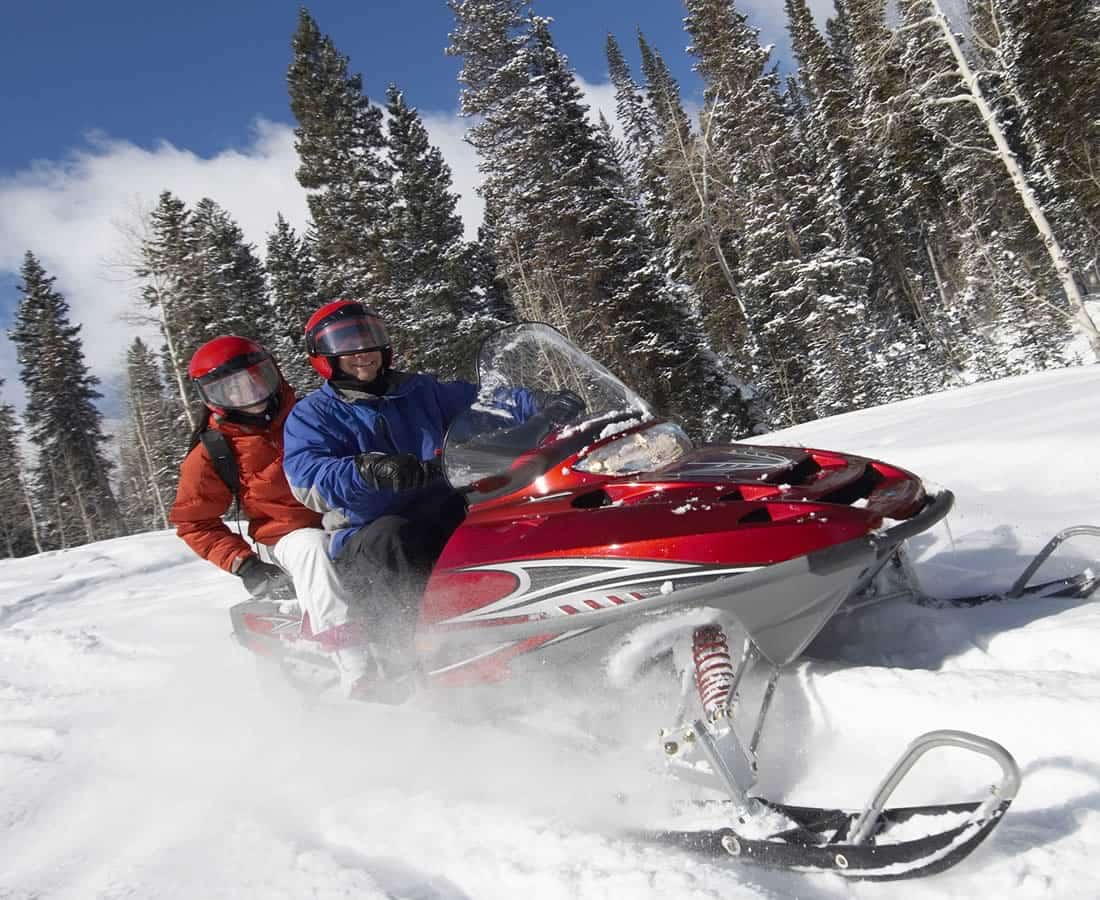
- Snowmobile
- Classic Cars and Auto
- Motorhome, RV and Trailer
- Motorcycle




Car insurance laws in Truro
It is mandatory to have auto insurance for all vehicles in Truro. The province has enacted “financial responsibility laws” to ensure drivers are accountable for the financial consequences of their actions while on our roads.
Current limits for auto insurance in Truro are:
- $500,000 liability coverage
- $50,000 medical payments coverage
- $2,500 funeral benefits
- Disability income/death benefits for persons injured or killed in an auto accident
- Uninsured and unidentified driver insurance
Nova Scotia has a no-fault based insurance system. Drivers can file claims with their own insurance company, regardless of who is at fault for the accident. Also, the province does not take age or marital status into account when determining risk.

Truro car insurance – your questions answered.


Our Latest Advice
Are Students Living Away for School Covered by Their Parents’ Home Insurance?
They may be.
Dependents under age 21 who are temporarily living away from home while attending school may still have coverage under their parents’ or guardians’ home insurance policy.
But families shouldn’t simply assume that coverage applies.
Policies and circumstances differ, and there may be limits on the amount or type of coverage available for a student’s belongings while they’re away.
That makes a quick conversation with your insurance broker an important part of preparing for school.
Let your broker know:
- Where your student will be living
- Whether they’ll be in residence or renting off campus
- Whether they’ll have roommates
- What belongings they’re taking with them
- Whether they have any particularly valuable items
Your broker can review your existing home insurance and tell you what protection extends to your student and whether additional coverage should be considered.
What If They’re Living in Residence?
Students living in a college or university residence should check with their insurance broker before moving in.
Some students may be covered under a parent or guardian’s home insurance policy while temporarily living away from home for school. In fact, many insurers do not offer a separate tenant insurance package for students living in residence.
Coverage varies, so parents should confirm what protection extends to the student, including any limits that may apply to belongings such as laptops, bicycles, electronics or other valuable items.
If your student is taking a laptop, phone, bicycle, musical instrument or other valuable belongings to residence, tell your broker.
The goal is to know whether those belongings are properly insured before something happens.
What If They’re Renting an Apartment or House?
If your student is renting off campus and isn’t adequately covered under a parent or guardian’s policy, tenant insurance becomes particularly important.
Remember: the landlord’s insurance generally protects the building, not the student’s belongings. Munn Insurance explains this distinction in our tenant insurance resources.
That can come as a surprise to first-time renters.
If there’s a fire, theft or another covered loss, a student without appropriate insurance could be left responsible for replacing their own belongings.
And belongings are only part of the story.
What Can Tenant Insurance Cover for a Student?

Tenant insurance generally provides three important types of protection: coverage for personal belongings, personal liability protection and additional living expenses.
Personal Belongings
Students often own more than they realize.
Start adding up the cost of replacing:
- A laptop
- Smartphone
- Clothing and footwear
- Furniture
- Bedding
- Kitchen supplies
- Headphones and electronics
- Textbooks and school supplies
- A bicycle
- Sporting equipment
- Gaming systems and other personal belongings
The total can add up quickly.
Munn Insurance recommends considering what it would actually cost to replace your belongings following a major loss rather than assuming that, because individual items are used, they aren’t worth very much.
Before your student moves out, creating a simple inventory can help. Take photos or video of important belongings and keep receipts, model numbers or serial numbers for higher-value items when possible.
It’s also worth discussing expensive bicycles, jewellery, musical instruments, specialized electronics or other high-value belongings with your broker, as policy limits and exclusions can apply.
Personal Liability
This is one of the most important parts of tenant insurance — and one students may not think about.
Suppose your student accidentally causes water damage that affects the apartment below.
Or a visitor is injured in their apartment and your student is found legally responsible.
Personal liability coverage may help protect them if they are legally responsible for bodily injury to someone else or damage to someone else’s property, subject to the terms and limits of the policy.
For a young person living independently for the first time, that protection can be extremely valuable.
Additional Living Expenses
Now imagine a fire or another insured loss makes your student’s apartment temporarily unfit to live in.
Where will they stay?
Hotels, short-term rentals, meals and other additional expenses can become costly very quickly.
Additional Living Expense coverage may help pay for reasonable increased living costs while a rental is uninhabitable because of an insured loss, subject to the policy’s coverage and limits.
For a student studying away from family, that can make a difficult situation considerably easier to manage.
What About Roommates?
Sharing a house or apartment with friends is common for university and college students.
What shouldn’t be common is assuming that one roommate’s insurance automatically protects everyone.
Roommates should make sure they have appropriate insurance rather than relying on another roommate’s coverage.
Before move-in day, each student should understand how their own belongings and liability are protected.
It’s much easier to sort this out before a loss than afterward.
Help Students Protect Their New Home

Insurance provides an important financial safety net, but a few good habits can also help students reduce the chance of having to make a claim.
Encourage your student to:
- Lock doors and windows whenever they leave.
- Keep laptops, electronics and other valuables out of sight.
- Never disable smoke or carbon monoxide alarms.
- Learn the location of fire exits and keep escape routes clear.
- Avoid overloading electrical outlets.
- Replace damaged charging cables and electrical cords.
- Report leaks, electrical issues and maintenance problems promptly.
- Keep photos and an inventory of valuable belongings.
- Check coverage before bringing particularly expensive belongings to school.
Moving away from home also means learning to take responsibility for a new living space. These are simple habits, but they can make a difference.
Should a Student Get Their Own Tenant Insurance?
There isn’t one answer that applies to every student.
A student living temporarily in residence may have suitable protection through a parent or guardian’s home insurance policy.
Another student renting an off-campus apartment may need their own tenant policy.
A third may technically have some coverage through home insurance but decide that a separate policy is a better fit for their circumstances.
That’s why the best first step isn’t to guess — it’s to check.
Add Insurance to Your Back-to-School Checklist
There are plenty of things competing for attention when a student heads away to college or university.
Take a few minutes before move-in day to make insurance one of them.
Contact your insurance broker and confirm:
- Is my student covered while living away from home?
- Are there limits on their belongings?
- Are their higher-value items adequately insured?
- Do they have appropriate personal liability protection?
- Would a separate tenant insurance policy make more sense?
- Does their lease require proof of tenant insurance?
At Munn Insurance, we can review your existing coverage, explain your options and help determine the right way to protect your student while they’re away at school.
Have a child heading off to college or university? Call Munn Insurance at 1-855-726-8627. We’re here to help.
Wildfire Preparedness in Atlantic Canada: Protecting Your Home, Cabin or Business
With the very recent situation in Kenmount Terrace, we are reminded of the dangers of wildfires...
Builder’s Risk Insurance: What Every Homeowner Should Know Before Construction Begins
Building a new home or undertaking a major renovation is [...]
A New Insurance Benefit for Chiropractors Nova Scotia Members: Better Coverage, Service, and Savings
Learn how your Chiropractors Nova Scotia membership can help you [...]