Save on car insurance in Amherst.
Save on car insurance in Amherst.
We’re one of Amherst’s largest independent brokers. We specialize in auto insurance. With a simple online quote or a quick call, you will get quotes from up to eight insurance companies. And with savings of up to 30%, you’ll be on the road with Amherst’s best auto protection and benefits. That’s a promise.
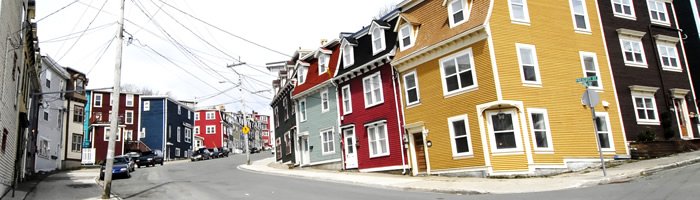
Amherst, a modern town based in heritage.
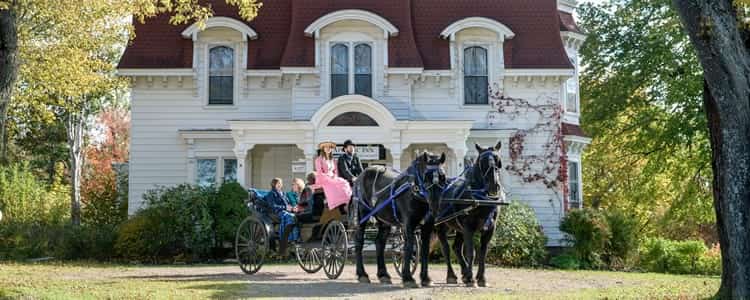
Amherst’s charm and nature wrap around you here. History and culture meet modern conveniences. There is no wonder anyone calls Amherst home. Just a two-hour drive from Halifax and a 90-minute drive from Stanfield International Airport, it’s just close enough to be perfectly far away. Your insurance can be as unique as your route and your world. At Munn Insurance you can find the most competitive rates for car insurance in Amherst and save while you’re doing it.
Driving in Amherst – Tips to keep you on the road.
DID YOU KNOW…
The “blind spot” is the name for the area on either side of a car that is invisible to wing mirrors. However, that isn’t wholly true. Maybe your car’s wing mirrors are just adjusted incorrectly. Put blind spots into full view of your side mirrors when mirrors are adjusted to contain no part of your vehicle. Angle them away from you to the point where your vehicle is no longer visible in either one. Any car that’s passing you on either side will remain in at least one of your mirrors until it enters your field of vision. This adjustment doesn’t eliminate your need to check your blind spots manually, but it is just another form of protection to keep you safe on the roads.
LIGHTS ON.
You can reduce your risk of being involved in an accident just by keeping your lights on at all times, including during the day. Drivers, cyclists and pedestrians are less likely to pull out in front of you if they can instantly see the glare of your headlights in a glance. In countries like Canada, Sweden and Finland, all new cars are required to have automatic running lights that stay on at all times. However, if your vehicle is an older model, take a moment and flick on your lights.
HELP KEEP WORKERS SAFE.
When an emergency vehicle pulled over with its lights flashing, the law is motorists must slow down to 60 km/h or obey the speed limit if it’s lower than 60 km/h. If the road has two or more lanes in one direction, motorists must also move into another lane, if safe to do so, farther away from the stopped vehicle if it can. The driver must obey these laws for emergency and law enforcement vehicles. A fine can be as high as $350 for a first offence, with the potential to go higher.
IMPAIRED DRIVING DOESN’T JUST MEAN SUBSTANCES.
Driving under the influence of a substance is dangerous and illegal. But what isn’t thought about often is that a severe lack of sleep could also impair you just as much. Any time your mental facilities could be compromised – whether from alcohol, poor sleep, new medication, or even having a horrible cold, take time off the road.

A few facts about car insurance in Amherst.
- The average age of auto insurance policyholders in Amherst is 37
- The average age of drivers in Amherst is 51
- The number of accident claims in Amherst in 2018 was 1100
- The top automotive brands we insure in Amherst are Honda, Ford, Chevrolet, Toyota, Hyundai, Mazda, Dodge, Volkswagen
- 66% of people in Amherst drive Cars
- 34% of people in Amherst drive Trucks

Facts and myths about Amherst.
FACTS
In July, Amherst hosts the Bordertown Biker Bash. It’s an annual motorcycle rally with tours of scenic Nova Scotia, a burnout competition, stunt shows, live music, and a live concert.
Every August, Amherst hosts an eight-team little league baseball tournament, featuring four teams from New England.
Russian revolutionary Leon Trotsky was incarcerated at a detention centre in Amherst after he was arrested in Halifax in 1917.
Amherst gained brief notoriety in the late 19th century as the location of alleged poltergeist phenomena afflicting Amherst resident Esther Cox in 1878 and 1879, which became known as the Great Amherst Mystery after the publication of a popular book on the affair.
MYTHS
People don’t want to live here.
Moneysense Magazine rated Amherst as the best small town in Nova Scotia in their 2017 ranking of the best places to live in Canada. Affordable housing, great health care, and a vibrant arts and recreation culture are some of the outstanding features.
There is limited healthcare.
There is the Cumberland Regional Health Care Centre that provides 24-hour emergency room care, diagnostic imaging, cancer care, surgeries, and obstetrics. There is also the Victorian Order of Nurses that offers more than 75 home care, personal support, and community services.
It’s far away from everything.
An international airport and the urban centre of Moncton are just over a half an hour away. As the second-largest small town in Nova Scotia, Amherst is home to 9,400 residents and another 100,000 people who live within a half-hour drive.
There are limited educational facilities within Amherst.
Amherst is the location of one of Nova Scotia Community College’s campuses. It also has a regional high school, a junior high school and three elementary schools.
We do the shopping. You get the savings.
Nova Scotians love choice. And they love saving too! At Munn Insurance, we deliver on both. As an independent insurance broker, we shop our extensive network of insurance partners to provide our Nova Scotia customers with the best coverage at the best rate. Some of the insurance companies we search for our customers include:

How Munn Insurance saves you money.
We work for you – that’s what an insurance broker does. We shop the market on your behalf, so Munn insurance can offer you the most access to the best discounts from our insurance partners.
- Bundling (Auto + Home Discount)
- Multiple Vehicle Discounts
- Experienced Drivers Discount
- Safe Drivers Discount
- Claims-Free Discount
- Loyalty Discount
- And Many More


Combine your home and car policies and save.
With Munn Insurance, home and auto policies are better together. It means extra savings and additional coverage. So combine them both and receive a discount on both. That’s like a double discount!
Combining also gives you the extra convenience of aligned renewal rates and less paperwork.
You can combine your auto policy with any Munn Insurance home policy for the following dwelling types:
- Private Homes
- Condos
- Tenants
- Cabins/Cottages
- Rented Dwellings

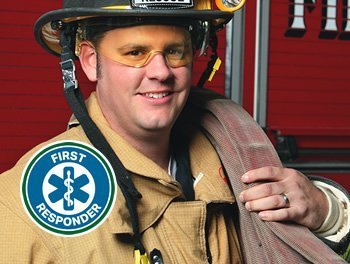
Special discounts and savings with a Munn Insurance Group policy.
We recognize the value groups provide to Amherst. First Responders, Health Care Professionals, Alumni Associations, Educators and Instructors all play a vital role in helping others across Nova Scotia. They give so much, and we’re happy to give back. Munn Insurance Preferred Groups in Nova Scotia are able to take advantage of special discounts and many extra-valuable benefits.
- Special Group Discounts
- Mortgage & Real Estate Assistance
- 0% Insurance Financing
- Home Repair Assistance
- Legal Assistance
- Health Assistance



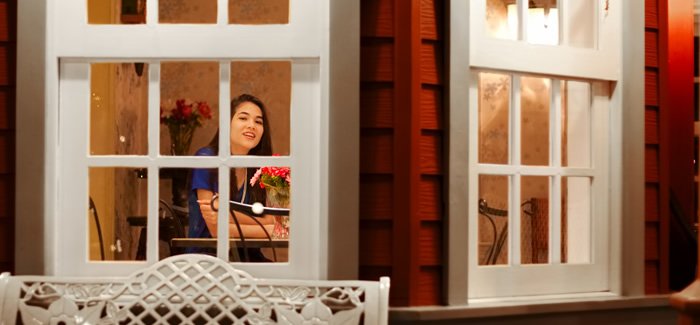
Get Amherst’s best leisure vehicle protection.
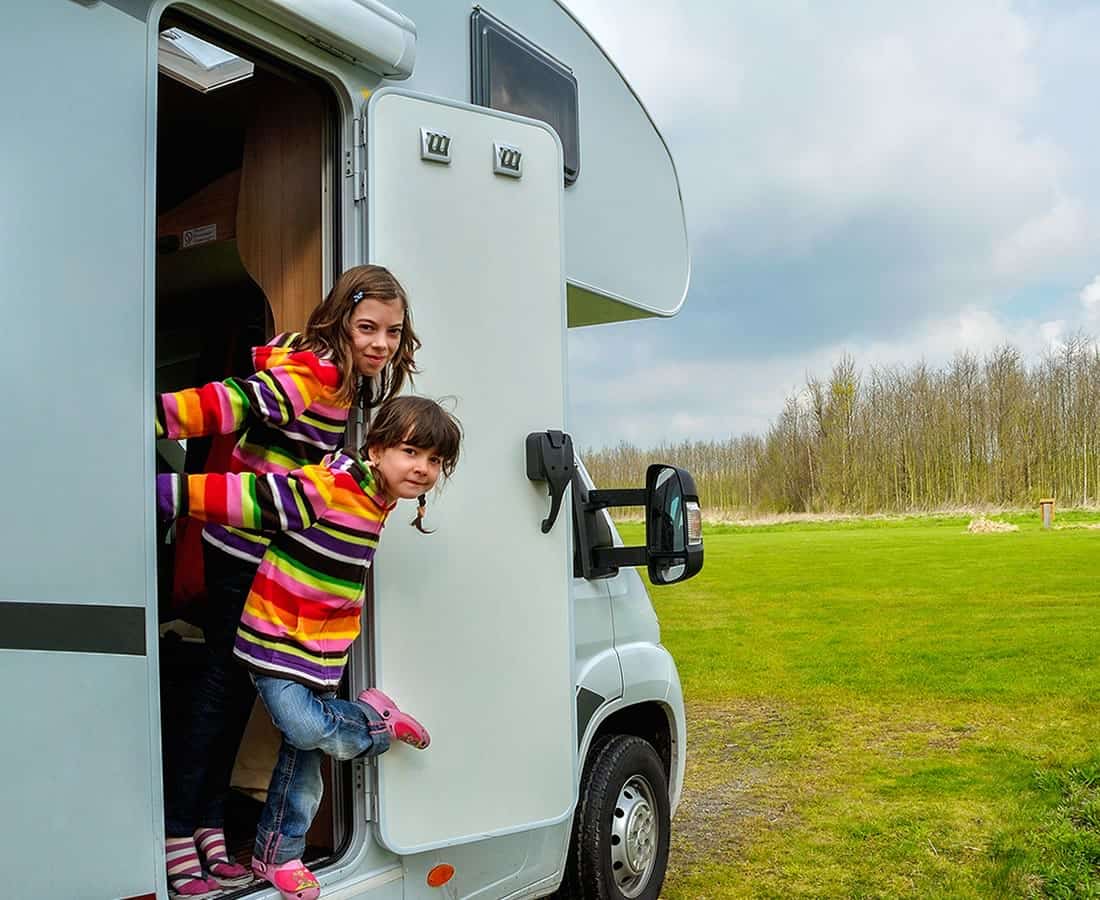
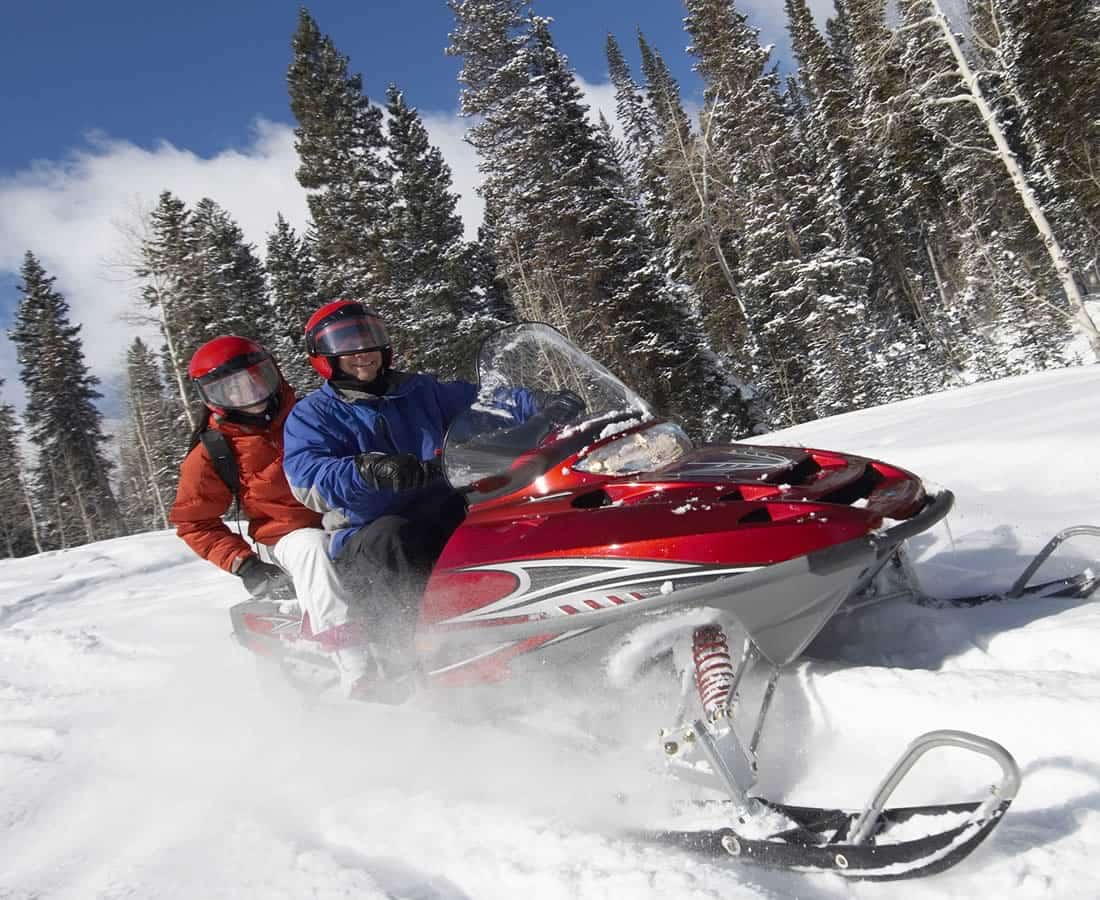
Nova Scotians love their leisure time and their leisure vehicles. MyRide Leisure Insurance from Munn Insurance is the most competitive, comprehensive leisure vehicle insurance available in Nova Scotia. Whether it’s your ATV, motorhome, motorcycle – or any of your leisure vehicles – A Munn policy offers more protection and value than any other program you’ll find.
- Boat and Watercraft
- ATV
- Snowmobile
- Classic Cars and Auto
- Motorhome, RV and Trailer
- Motorcycle




Car insurance laws in Amherst
It is mandatory to have auto insurance for all vehicles in Amherst. The province has enacted “financial responsibility laws” to ensure drivers are accountable for the financial consequences of their actions while on our roads.
Current limits for auto insurance in Amherst are:
- $500,000 liability coverage
- $50,000 medical payments coverage
- $2,500 funeral benefits
- Disability income/death benefits for persons injured or killed in an auto accident
- Uninsured and unidentified driver insurance
Nova Scotia has a no-fault-based insurance system. This means drivers can file claims with their own insurance company, regardless of who is at fault for the accident. In addition, the province does not take age or marital status into account when determining risk.
Amherst car insurance – your questions answered.

Our Latest Advice
9 Things to Consider Before Your Commercial Auto Insurance Renewal
Your commercial auto insurance renewal should be more than a quick look at the new premium and a decision to renew.
A lot can change in a business over the course of a year.
You may have bought or sold vehicles. Drivers may have joined or left the company. Your vehicles may be travelling farther, carrying different equipment or being used for different types of work. You may have taken on new contracts, experienced a claim or started thinking about adding more vehicles.
Your insurance needs to keep up.
And before you even get into the details of the policy itself, there is another important question to ask: are you getting the advice, support and service you need from your broker?
A good commercial auto renewal should involve more than paperwork. It should be a chance to review your business, your vehicles, your drivers, your coverage, your insurer and what may be changing next.
Here are nine things every business owner in Newfoundland and Labrador and Nova Scotia should look at before your next commercial auto insurance renewal.
1. Are You Getting the Support and Service You Need From Your Broker?
Your commercial auto insurance is only as useful as the advice and support behind it.
A good broker should do more than send you a renewal and ask whether you want to proceed.
They should understand your business, your vehicles, your drivers and how your operation is changing. They should be available when you have questions, help you understand your coverage and make sure important changes are addressed as they happen.
Before renewal, ask yourself:
- Does my broker understand my business?
- Do we speak during the year, or only at renewal?
- Do they help me think ahead about changes to vehicles, drivers or operations?
- Do they explain my coverage and identify potential gaps?
- Do they help me understand why my premium has changed?
- Do they review available markets and alternatives when appropriate?
- Do I get timely answers when I have questions or need help?
- Do I feel like they are actively managing my account rather than simply processing my renewal?
For a business that depends on its vehicles every day, your broker should be a resource — not just someone who sends an invoice once a year.
If you are not getting the advice, responsiveness and attention your business deserves, your commercial auto renewal is a good time to consider whether you have the right broker.
2. Make Sure Your Vehicle List Is Accurate
Start with the basics: what vehicles does your business actually have today?
Over the course of a year, businesses buy vehicles, replace them, sell them and move them into different roles. In NL and NS, that might mean adding a work truck for a new contract, taking a seasonal vehicle off the road or replacing equipment after a hard winter.
Before renewal, review every vehicle on your policy and confirm:
- Year, make and model
- Vehicle identification number
- Ownership
- Vehicle value
- Whether it is financed or leased
- Where it is normally kept
- Whether it is still being used
- Any trailers or other vehicles that also need to be considered
If you sold a vehicle, make sure it has been removed. If you bought a replacement, make sure the information is correct. If a vehicle has been modified or fitted with specialized equipment, tell your broker about that too.
This is also a good time to think ahead. If you know you are buying another truck or van in the next few months, discuss it during the renewal review rather than waiting until the vehicle arrives.
Your commercial auto policy should reflect the vehicles you actually own and operate — not the vehicles you had a year ago.
3. Review Everyone Who Drives Your Vehicles
The vehicles are only part of your commercial auto risk. The drivers matter too.
Insurance companies can consider licence status, driving experience, convictions, accidents and claims when assessing a commercial auto risk.
Before renewal, review your regular drivers and ask:
- Are all current drivers properly identified?
- Have any employees left?
- Have new drivers been added?
- Have driving responsibilities changed?
- Are driver’s licences current and appropriate for the vehicles being operated?
- Have there been new convictions or accidents?
- Are you periodically reviewing employee driving records?
If someone who used to drive occasionally is now behind the wheel every day, that is worth discussing. Likewise, if a driver with a poor record has left the company, your broker should know that too.
Make sure the drivers your insurer is evaluating are the drivers actually operating your vehicles today.
4. Confirm How Each Vehicle Is Being Used
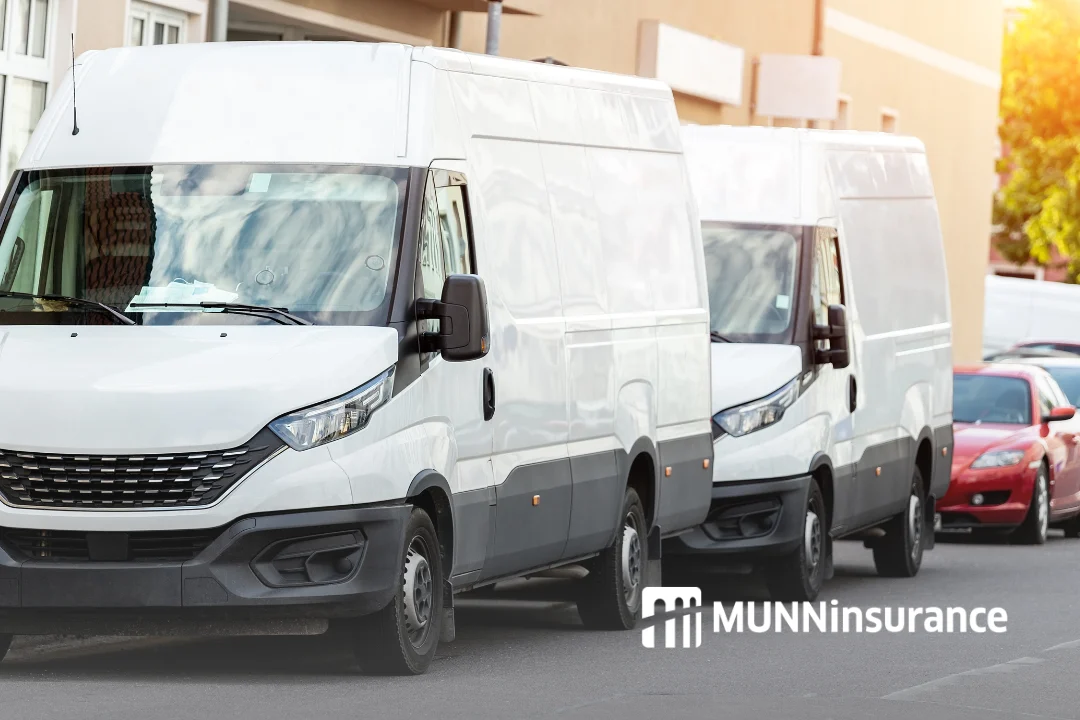
Two identical pickups can present very different insurance risks depending on what they do every day.
One may be driven locally to customer meetings. Another may travel between job sites across NL or NS carrying tools, hauling materials and towing a trailer.
Before renewal, review how each vehicle is actually being used:
- What type of work does it perform?
- Does it travel between job sites?
- Does it make deliveries?
- Does it carry tools or equipment?
- Does it transport goods?
- Does it tow a trailer?
- Does it transport customers or passengers?
- How far does it typically travel?
- Has its operating territory changed?
- Has annual mileage changed significantly?
- Is it used seasonally or year-round?
If your operations have changed, your insurance information should change with them. Don’t renew based on last year’s description of your business if this year’s business looks different.
5. Look at Your Claims History — and What You’ve Done About It
Your commercial auto renewal is also a good time to look back at what happened during the year.
Did you have any accidents? Vehicle thefts? Physical-damage claims? Near misses that exposed a potential problem?
Look beyond simply counting claims — ask what you can learn from them.
- If you experienced several backing accidents, could additional driver training help?
- If vehicles were being damaged while parked, could you change where they are stored?
- If theft has become a concern, are there additional security measures worth considering?
- If one driver has been involved in repeated incidents, does that need to be addressed?
A good risk-management approach might include:
- Driver screening and training
- Preventive vehicle maintenance and regular inspections
- Distracted-driving and winter-driving procedures
- Accident-reporting procedures
- Telematics, where appropriate
Don’t just tell your broker what claims happened. Talk about what your business has done to help prevent them from happening again.
6. Review Your Liability Limits and Contractual Requirements
Commercial auto insurance is not only about repairing damaged vehicles. A serious accident can also result in significant liability if another person is injured or their property is damaged.
That makes your third-party liability limit an important part of the renewal conversation. Don’t simply assume the limit you selected several years ago is still appropriate.
Consider whether:
- Your business has grown
- Your vehicles are travelling more
- You have added drivers
- You are operating larger or heavier vehicles
- Your contractual requirements have changed
- Customers or general contractors are requiring higher limits
- Landlords or project owners have specified minimum insurance requirements
If you are bidding on a new contract — common in the construction, trades and energy sectors across NL and NS — bring the insurance requirements to your broker before you sign it.
The legal minimum and the amount of protection appropriate for your business are not necessarily the same thing.
7. Review Your Deductibles and Physical-Damage Coverage
Your vehicles change in value over time. Your ability to absorb a loss may change too. That makes renewal a good time to revisit your deductibles and optional physical-damage coverage.
Review whether you currently carry:
- Collision
- Comprehensive
- All Perils
- Other optional physical-damage protection
Then consider each vehicle individually. The coverage that makes sense for a new $75,000 pickup may be different from what makes sense for an older vehicle with a substantially lower value.
The same applies to deductibles. A higher deductible can sometimes reduce premium because the business is agreeing to assume a larger portion of a loss — but saving money on premium does not help if the deductible creates a financial problem when you actually need to make a claim.
Ask: if something happened to this vehicle tomorrow, could the business comfortably absorb the amount we have chosen to self-insure?
The goal is to find the right balance between premium and protection.
8. Look Beyond the Vehicle Itself
A commercial auto renewal is a good opportunity to think about the things connected to your vehicles that may not automatically be covered by the automobile policy.
Consider what your vehicles carry and tow:
- Tools and specialized equipment
- Inventory, building materials or customer property
- Utility or enclosed trailers
- Machinery being transported
- Other valuable business property
Insuring the truck or van does not necessarily mean everything inside it or behind it has the protection you expect. This is especially important for contractors and trades businesses in NL and NS where a work vehicle may contain thousands of dollars worth of tools and equipment.
Also think about vehicles your business doesn’t own. Do employees use personal vehicles for business errands, customer visits or deliveries? Does your company rent vehicles?
Depending on your operation, additional coverage such as non-owned automobile liability may need to be considered.
Your renewal discussion should include what you drive, what you carry, what you tow and what other vehicles are being used on behalf of the business.
9. Review the Price — and Whether Your Current Insurer Is Still the Right Fit
Once you know the information and coverage are right, look at what you are paying.
Has your premium changed? If so, why? Has your claims experience changed? Are there discounts or credits you may now qualify for?
Different insurance companies look at commercial auto risks differently. One insurer may be particularly competitive for contractors, another for service businesses, another for smaller fleets. That is why your renewal should include a discussion about whether the current insurer still offers the right combination of coverage, price, underwriting flexibility, claims service and fit with your type of business.
Depending on the insurer and your eligibility, there may also be opportunities such as:
- Multi-vehicle discounts
- Conviction-free discounts
- Commercial package or loyalty discounts
- Fleet or loss-prevention programs
- Telematics programs for qualifying fleets
And if your business has grown, ask whether the way your vehicles are insured is still appropriate. A business that started with one vehicle may now have four. Don’t assume your current insurer or policy structure remains the best choice simply because it worked last year.
Don’t Wait Until Your Renewal Documents Arrive
A good commercial auto renewal process should start before the renewal documents land in your inbox.
Ideally, you should be talking to your broker during the policy term about changes in your business and then having a more detailed review well before renewal. A mid-term discussion gives you an opportunity to talk about things that have already changed — and what may be coming next.
You may be planning to buy more vehicles, replace older ones, hire more drivers, expand into another area, take on a significant contract or grow toward a full fleet. Talking about those plans early gives your broker time to help you prepare — and more time to properly compare alternatives if your current insurer is no longer the best fit.
Don’t just wait for the renewal, look at the premium and sign. Use the renewal as an opportunity to make sure your commercial auto insurance still fits your business.
Your Commercial Auto Renewal Checklist
Before your next renewal, make sure you can answer these nine questions:
- Are we getting the advice, support and service we need from our broker?
- Are all of our vehicles listed correctly?
- Are our drivers and their information current?
- Does our policy accurately reflect how our vehicles are being used?
- What does our claims experience tell us, and what have we done to manage risk?
- Are our liability limits still appropriate for our business and contracts?
- Do our deductibles and optional coverages still make sense?
- Have we properly considered our tools, equipment, trailers and non-owned vehicles?
- Is our current insurer, policy structure and price still the right fit?
If you can’t confidently answer all nine, there is something worth discussing with your broker.
Commercial Auto Renewal Coming Up? Talk to Munn Early.
At Munn Insurance, we don’t believe a commercial auto renewal should simply roll over from one year to the next. We work with businesses across Newfoundland and Labrador and Nova Scotia — contractors, trades, service companies, healthcare providers, energy sector operators and more — and we take the time to understand your operation, not just your vehicles.
As an independent insurance broker, Munn can compare commercial auto insurance options from multiple insurance companies to help make sure you continue to have the right coverage at the right value. And if you’re not getting the service, advice or attention you need from your current broker, we’d be happy to take a second look.
Whether you have one work vehicle or a whole fleet, talk to Munn well before your next commercial auto insurance renewal.
Visit: munninsurance.com/business/commercial-auto-insurance-for-atlantic-canada/
Call: 1-855-726-8627
Don’t just renew. Review. Get the right coverage. Get the right value.
How Much Does Landlord Insurance Cost in Newfoundland and Labrador and Nova Scotia?
If you own a rental property, or are thinking about [...]
Are You Paying Too Much for Commercial Auto Insurance? 7 Ways to Help Lower Your Cost
Commercial Auto Insurance is an important cost of doing business [...]
Fall Checklist for Landlords in Newfoundland and Labrador and Nova Scotia
Fall is one of the best times for landlords to [...]