Save on car insurance in New Glasgow.
We’re one of New Glasgow’s largest independent brokers. We specialize in auto insurance. With a simple online quote or a quick call, you will get quotes from up to eight insurance companies. And with savings of up to 30%, you’ll be on the road with New Glasgow’s best auto protection and benefits. That’s a promise.
New Glasgow, a modern town based in heritage.
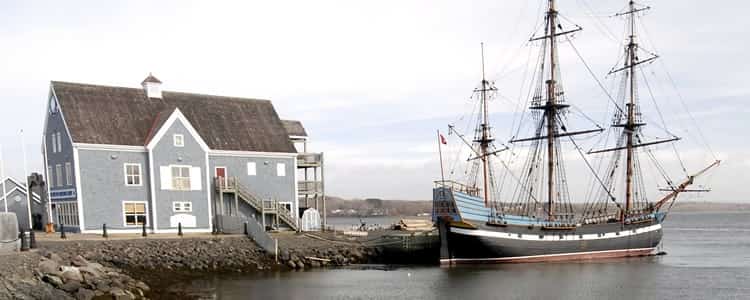
New Glasgow’s charm and nature wrap around you here. History and culture meet modern conveniences. There is no wonder anyone calls New Glasgow home. Just a two-hour drive from Halifax and a 90-minute drive from Stanfield International Airport, it’s just close enough to be perfectly far away. Your insurance can be as unique as your route and your world. At Munn Insurance you can find the most competitive auto insurance in New Glasgow and save while you’re doing it.
Driving in New Glasgow – Tips to keep you on the road.
DID YOU KNOW…
The “blind spot” is the name for the area on either side of a car that is invisible to wing mirrors. However, that isn’t wholly true. Maybe your car’s wing mirrors are just adjusted incorrectly. Put blind spots into full view of your side mirrors when mirrors are adjusted to contain no part of your vehicle. Angle them away from you to the point where your vehicle is no longer visible in either one. Any car that’s passing you on either side will remain in at least one of your mirrors until it enters your field of vision. This adjustment doesn’t eliminate your need to check your blind spots manually, but it is just another form of protection to keep you safe on the roads.
HELP KEEP WORKERS SAFE.
When an emergency vehicle pulled over with its lights flashing, the law is motorists must slow down to 60 km/h or obey the speed limit if it’s lower than 60 km/h. If the road has two or more lanes in one direction, motorists must also move into another lane farther away from the stopped vehicle if it can be done safely. A motorist must obey these laws for ambulances, police vehicles, fire department vehicles, Department of Lands and Forestry fire vehicles, fire chiefs’ or deputy fire chiefs’ vehicles, conservation officers’ vehicles, motor vehicle and carrier inspectors’ vehicles, public safety vehicles such as sheriffs and bridge patrol officers, and tow trucks that are stopped at the scene of a fire or collision or assisting a vehicle. A fine can be as high as $350 for a first offence, with the potential to go higher.
HELP KEEP WORKERS SAFE.
When an emergency vehicle pulled over with its lights flashing, the law is motorists must slow down to 60 km/h or obey the speed limit if it’s lower than 60 km/h. If the road has two or more lanes in one direction, motorists must also move into another lane, if safe to do so, farther away from the stopped vehicle if it can. The driver must obey these laws for emergency and law enforcement vehicles. A fine can be as high as $350 for a first offence, with the potential to go higher.
IMPAIRED DRIVING DOESN’T JUST MEAN SUBSTANCES.
Driving under the influence of a substance is dangerous and illegal. But what isn’t thought about often is that a severe lack of sleep could also impair you just as much. Any time your mental facilities could be compromised – whether from alcohol, poor sleep, new medication, or even having a horrible cold, take time off the road.

A few facts about car insurance in New Glasgow.
- The average age of auto insurance policyholder in New Glasgow is 32
- The average age of drivers in New Glasgow is 46
- The number of accident claims in New Glasgow in 2018 was 1400
- The top automotive brands we insure in New Glasgow are Chevrolet, Ford, Toyota, Honda, Dodge, Mazda, Jeep, Chrysler
- 69% of people in New Glasgow drive Cars
- 31% of people in New Glasgow drive Trucks

Facts and myths about New Glasgow.
FACTS
It’s the former home of J.D. Fortune, former lead singer of Australian rock band INXS. He was chosen as their new singer after winning CBS’s Rock Star: INXS in 2005.
Glasgow Square Theatre, located on the downtown riverfront, is a 285-seat auditorium that hosts year-round concerts, plays, and other community functions. The theatre can be transformed into an outdoor amphitheatre, one of the few theatres in Canada (if not the only) that can do that.
Every year since 1995, the New Glasgow Riverfront Jubilee has welcomed local and international musicians to its stage for three days of family entertainment. Held over the first of August long weekend, the Jubilee features rock, blues, folk, country and the best East Coast music from new and established artists.
The Town of New Glasgow was born with the arrival of Scottish immigrants in the late 18th century. In 1784, Deacon Thomas Fraser moved his family from the Scottish settlement at Pictou and settled them along the western side of the East River. Over the following years, others would join them, and it became a distinct village that the inhabitants would name New Glasgow, in honour of Glasgow, Scotland.
MYTHS
The range and quality of services of a modern, self-sufficient community are all readily available. Today retail, manufacturing, forestry, pulp and paper, food retail/distribution, technology and tourism are among the economic engines of the entire Pictou County region.
The Pictou County Health Authority is responsible for delivering health care services to the 46,000 residents of Pictou County. The care is delivered through the Aberdeen Hospital in New Glasgow.
The Province of Nova Scotia provides assistance to low-income homeowners who cannot afford to carry out emergency repairs to their homes.
New Glasgow has three elementary schools and a new state-of-the-art high school.
We do the shopping. You get the savings.
Nova Scotians love choice. And they love saving too! At Munn Insurance, we deliver on both. As an independent insurance broker, we shop our extensive network of insurance partners to provide our Nova Scotia customers with the best coverage at the best rate. Some of the insurance companies we search for our customers include:

How Munn Insurance saves you money.
We work for you – that’s what an insurance broker does. We shop the market on your behalf, so Munn insurance can offer you the most access to the best discounts from our insurance partners.
- Bundling (Auto + Home Discount)
- Multiple Vehicle Discounts
- Experienced Drivers Discount
- Safe Drivers Discount
- Claims-Free Discount
- Loyalty Discount
- And Many More

Combine your home and car policies and save.
With Munn Insurance, home and auto policies are better together. It means extra savings and additional coverage. So combine them both and receive a discount on both. That’s like a double discount!
Combining also gives you the extra convenience of aligned renewal rates and less paperwork.
You can combine your auto policy with any Munn Insurance home policy for the following dwelling types:
- Private Homes
- Condos
- Tenants
- Cabins/Cottages
- Rented Dwellings

Special discounts and savings with a Munn Insurance group policy.
We recognize the value groups provide to New Glasgow. First Responders, Health Care Professionals, Alumni Associations, Educators and Instructors all play a vital role in helping others across Nova Scotia. They give so much, and we’re happy to give back. Munn Insurance Preferred Groups in Nova Scotia are able to take advantage of special discounts and many extra-valuable benefits.
- Special Group Discounts
- Mortgage & Real Estate Assistance
- 0% Insurance Financing
- Home Repair Assistance
- Legal Assistance
- Health Assistance




Get New Glasgow’s best leisure vehicle protection.
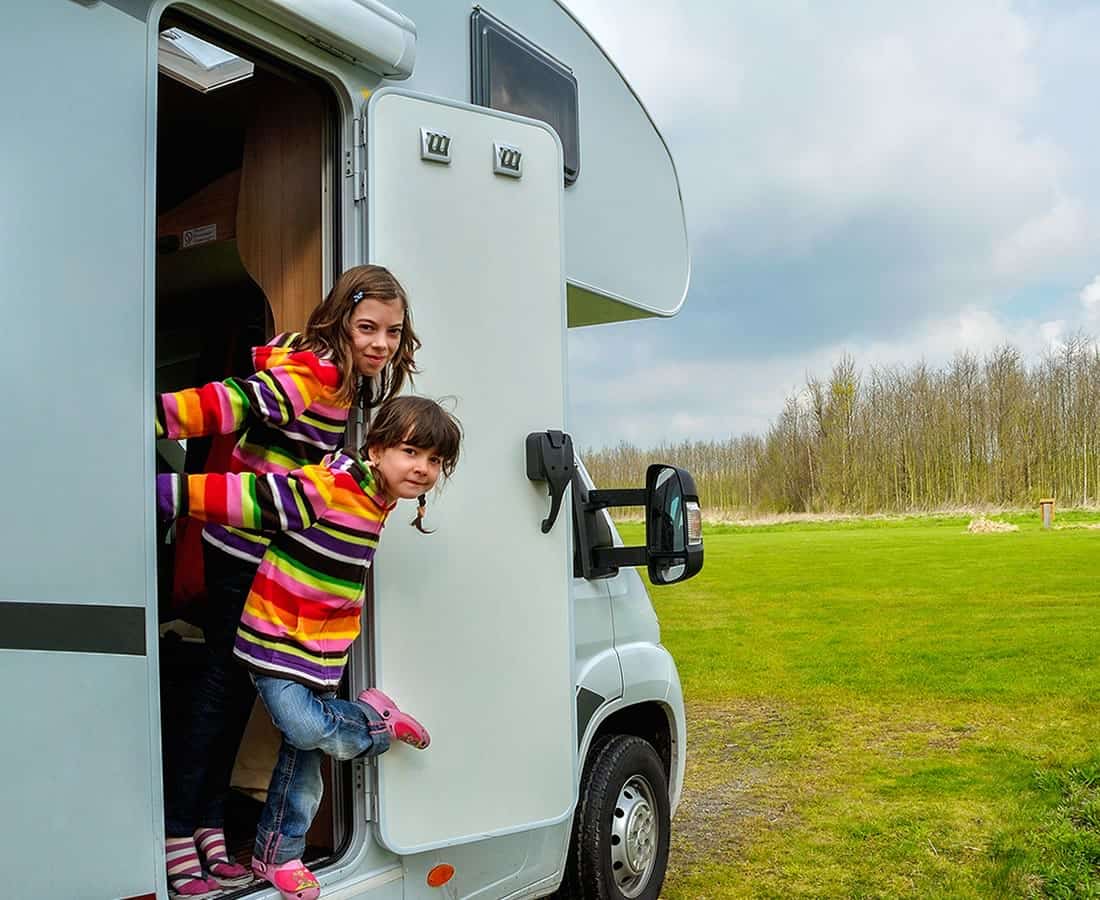
Nova Scotians love their leisure time and their leisure vehicles. MyRide Leisure Insurance from Munn Insurance is the most competitive, comprehensive leisure vehicle insurance available in Nova Scotia. Whether it’s your ATV, motorhome, motorcycle – or any of your leisure vehicles – A Munn policy offers more protection and value than any other program you’ll find.
- Boat and Watercraft
- ATV
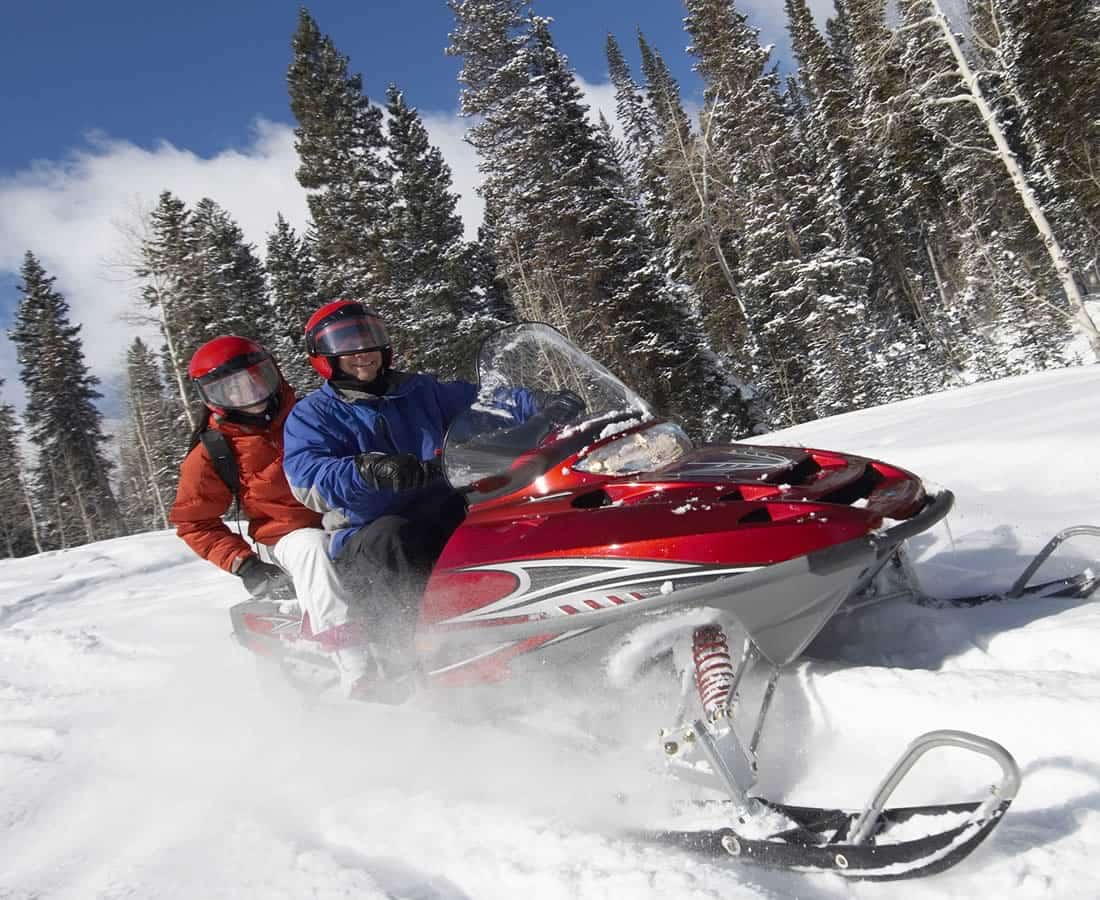
- Snowmobile
- Classic Cars and Auto
- Motorhome, RV and Trailer
- Motorcycle




Car insurance laws in New Glasgow.
It is mandatory to have auto insurance for all vehicles in New Glasgow. The province has enacted “financial responsibility laws” to ensure drivers are accountable for the financial consequences of their actions while on our roads.
Current limits for auto insurance in New Glasgow are:
- $500,000 liability coverage
- $50,000 medical payments coverage
- $2,500 funeral benefits
- Disability income/death benefits for persons injured or killed in an auto accident
- Uninsured and unidentified driver insurance
Nova Scotia has a no-fault based insurance system. Drivers can file claims with their own insurance company, regardless of who is at fault for the accident. Also, the province does not take age or marital status into account when determining risk.
New Glasgow car insurance – your questions answered.

Our Latest Advice
Builder’s Risk Insurance: What Every Homeowner Should Know Before Construction Begins
Building a new home or undertaking a major renovation is an exciting milestone, but it also introduces risks that many homeowners don’t consider until it’s too late. One of the biggest misconceptions in residential construction is that a standard homeowners insurance policy (or the builder’s insurance) will automatically protect the home while it’s being built.
In many cases, that assumption is incorrect.
Builder’s Risk Insurance is a specialized form of property insurance designed specifically for homes and buildings that are under construction. It provides financial protection against unexpected events that can damage the project before it is completed, helping homeowners, builders, and property owners recover from losses that could otherwise be financially devastating.
What is Builder’s Risk Insurance?
Builder’s Risk Insurance, sometimes referred to as Course of Construction Insurance, is a temporary policy that protects a structure while it is being built, renovated, or undergoing significant repairs. Unlike a standard homeowners policy, which is designed for completed and occupied homes, Builder’s Risk Insurance addresses the unique exposures that exist during the construction process.
Coverage typically begins when construction starts and remains in place until the project is completed, occupied, sold, or reaches another milestone outlined in the policy.
What Can Builder’s Risk Insurance Cover?
Coverage varies depending on the insurer and policy wording, but Builder’s Risk Insurance may provide protection for losses resulting from events such as:
- Fire and smoke damage
- Windstorms and hail
- Theft of building materials
- Vandalism
- Certain types of water damage
- Damage caused by vehicles or aircraft
- Materials stored at the construction site and, in some cases, while in transit or stored off-site
The policy is generally intended to protect the building itself, along with materials and supplies that will become part of the completed structure.
Like all insurance policies, exclusions apply. Flood, earthquake, normal wear and tear, faulty workmanship, and mechanical breakdown are commonly excluded unless additional coverage has been purchased.
Who Needs Builder’s Risk Insurance?

Builder’s Risk Insurance can be an important consideration for a variety of construction projects, including:
- Homeowners building a custom home
- Individuals completing major renovations or additions
- Property investors constructing new homes
- Builders and contractors, depending on the terms of the construction contract
- Developers overseeing residential or commercial projects
One of the most important conversations to have before construction begins is determining who is responsible for arranging Builder’s Risk Insurance. This responsibility is often outlined in the construction contract, but assumptions can lead to costly coverage gaps.
The Biggest Myth: “The Builder Has Insurance, So My Home Must Be Covered.”
This is one of the most common misunderstandings we encounter.
While reputable contractors almost always carry insurance, their coverage is typically designed to protect their business, not necessarily your home.
For example, many contractors carry Commercial General Liability Insurance. This coverage protects them if their operations cause bodily injury or property damage to a third party. It is an essential part of running a construction business, but it is not intended to insure the home under construction or replace materials that are damaged by events such as fire, theft, or severe weather.
Without Builder’s Risk Insurance in place, the financial responsibility for repairing or rebuilding damaged work may not fall where homeowners expect.
The key takeaway is simple: never assume someone else’s insurance is protecting your investment. Always confirm what coverage is in place, who purchased it, and what it includes.
Why a Standard Homeowners Policy Isn’t Enough
Many homeowners are surprised to learn that a traditional homeowners insurance policy is generally designed for homes that are completed and occupied. A partially built home presents entirely different risks than an occupied residence, which is why specialized coverage is often required during construction.
Waiting until the home is complete to think about insurance could leave a significant gap during one of the most vulnerable stages of the project.
Protecting One of Your Largest Investments
For most families, building a home represents one of the largest financial investments they will ever make. Construction projects involve months of labour, materials, planning, and financial commitment. An unexpected loss halfway through a build can delay completion and create substantial out-of-pocket costs if the proper insurance is not in place.
Before construction begins, take the time to understand who is responsible for insuring the project, what coverage is included, and whether additional protection may be needed. Asking these questions early can help prevent costly surprises later and provide peace of mind throughout the building process.
If you’re planning a new build or major renovation and aren’t sure what insurance is required, speaking with a licensed insurance professional before work begins is one of the best investments you can make.
A New Insurance Benefit for Chiropractors Nova Scotia Members: Better Coverage, Service, and Savings
Learn how your Chiropractors Nova Scotia membership can help you [...]
Cyber Insurance Explained: What it is and What it Actually Covers
Most businesses today rely on technology in some way. Even [...]
Why Tenant Insurance Matters Even When It Isn’t Required
Many tenants assume if tenant insurance isn’t legally required, it’s [...]