Save on car insurance in St. John’s.
We’re one of St. John’s largest independent brokers. We specialize in auto insurance. With a simple online quote or a quick call, you will get quotes from up to eight insurance companies. And with savings of up to 30%, you’ll be on the road with St. John’s best auto protection and benefits. That’s a promise.
St. John’s is a unique city with its own ebb and flow.

St. John’s is a unique city with its own ebb and flow. People and houses around every corner will catch your eye and ear. St. John’s individuality doesn’t stop there. With no grid plan, and with a rumour that its roads are horse paths that were originally paved over, St. John’s offers an exciting adventure to even the most experienced driver. With one-way streets that suddenly appear, intersections with sharp angles and low signage, you might need a little help from a GPS. Your insurance can be as unique as your route. At Munn Insurance you can find the most competitive auto insurance in St. John’s and save while you’re doing it.
Driving in St. John’s – Tips to keep you on the road.
WATCH OUT FOR MOOSE.
Although St. John’s is considered an urban area, the Outer Ring Road sees its share of moose during any time of the year. It should also be noted that moose don’t always stick to the outliers but have been known to wander into the city itself. Keep on the lookout, especially at night.
PUT THAT CELL PHONE DOWN.
Fines for using a cell phone when driving are high in the province of Newfoundland, and the Royal Newfoundland Constabulary are extremely vigilant in the City of St. John’s. The current penalty is 4 demerit points with fines ranging from $350 to $1000.
BE WEATHER PREPARED.
Not just St. John’s, but Newfoundland as a whole is subjected to fast changing weather. Sunny in the morning, blizzard by lunch. With St. John’s twisty roads and steep hills, caution is always advised. It’s not unheard of to go sliding back down that hill.
DON’T DRINK AND DRIVE.
Newfoundland has severe impaired driving regulations to help keep all residents safe. As of 2017, any driver whose licence was suspended after an impaired driving conviction will be required to enter a mandatory ignition interlock program as a condition of reinstatement. As well, anyone 22 years or younger is required to maintain a zero-blood alcohol content while driving. Not a risk you want to take.

A few facts about car insurance in St. John’s.
- The average age of auto insurance policyholder in St. John’s is 32
- The average age of drivers in St. John’s is 45
- The number of accident claims in St. John’s in 2018 was 5000
- The top automotive brands we insure in St. John’s are Honda, Toyota, Hyundai, Chevrolet, Ford, Jeep, Chrysler, Mazda
- 67% of people in St. John’s drive Cars
- 33% of people in St. John’s drive Trucks

Facts and myths about St. John’s.
FACTS
Cabot Tower on Signal Hill was built to commemorate Queen Victoria’s Diamond Jubilee and the 400th anniversary of John Cabot’s Voyage of Discovery.
St. John’s is the oldest city in North America, with Water Street being the oldest street in North America.
The oldest sporting event in North America is the St. John’s Regatta held on the first Wednesday every August.
The first transatlantic wireless message was received on December 12, 1901 by Guglielmo Marconi from Poldhu, Cornwall which is 3200 kilometres away.
MYTHS
Actually, St. John’s adopted a new cycling plan in 2009 and has been building a safe and convenient cycling network.
This is very untrue. St. John’s and surrounding towns all have dedicated snow clearing services to keep all roads safe for all drivers in all conditions.
St. John’s has a very extensive recycling program with curbside recycling, metal and electronic recycling, backyard composting, household hazardous waste drop off, yard waste collection and Christmas tree recycling.
We do the shopping. You get the savings.
Newfoundlanders love choice. And they love saving too! At Munn Insurance, we deliver on both. As an independent insurance broker, we shop our extensive network of insurance partners to provide our Newfoundland customers with the best coverage at the best rate. Some of the insurance companies we search for our customers include:

How Munn Insurance saves you money.
We work for you – that’s what an insurance broker does. We shop the market on your behalf, so Munn insurance can offer you the most access to the best discounts from our insurance partners.
- Bundling (Auto + Home Discount)
- Multiple Vehicle Discounts
- Experienced Drivers Discount
- Safe Drivers Discount
- Claims-Free Discount
- Loyalty Discount
- And Many More

Combine your home and car policies and save.
With Munn Insurance, home and auto policies are better together. It means extra savings and additional coverage. So combine them both and receive a discount on both. That’s like a double discount!
Combining also gives you the extra convenience of aligned renewal rates and less paperwork.
You can combine your auto policy with any Munn Insurance home policy for the following dwelling types:
- Private Homes
- Condos
- Tenants
- Cabins/Cottages
- Rented Dwellings

Special discounts and savings with a Munn Insurance group policy.
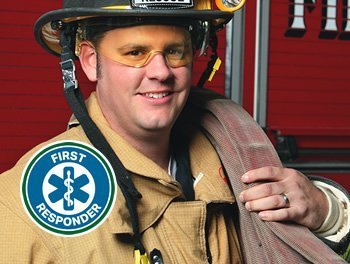
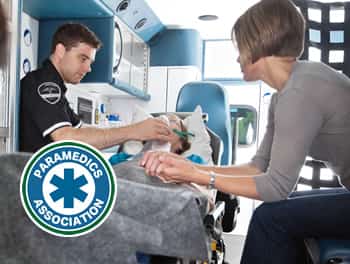
We recognize the value groups provide to Newfoundland communities. First Responders, Health Care Professionals, Alumni Associations, Educators and Instructors all play a vital role in helping others across the Island. They give so much, and we’re happy to give back. Munn Insurance Preferred Groups in Newfoundland are able to take advantage of special discounts and many extra-valuable benefits.
- Special Group Discounts
- Mortgage & Real Estate Assistance
- 0% Insurance Financing
- Home Repair Assistance
- Legal Assistance
- Health Assistance












- CAA Members can SAVE up to 20% on Auto and Home Insurance
- Access to multiple insurance markets; knowing you get the best coverage at the best rate
- Confidence and security of being a member of a preferred group
- Local, fast and efficient 24/7 Claims Service
- Legal Assistance
- Health Assistance
Get Newfoundland’s best leisure vehicle protection.
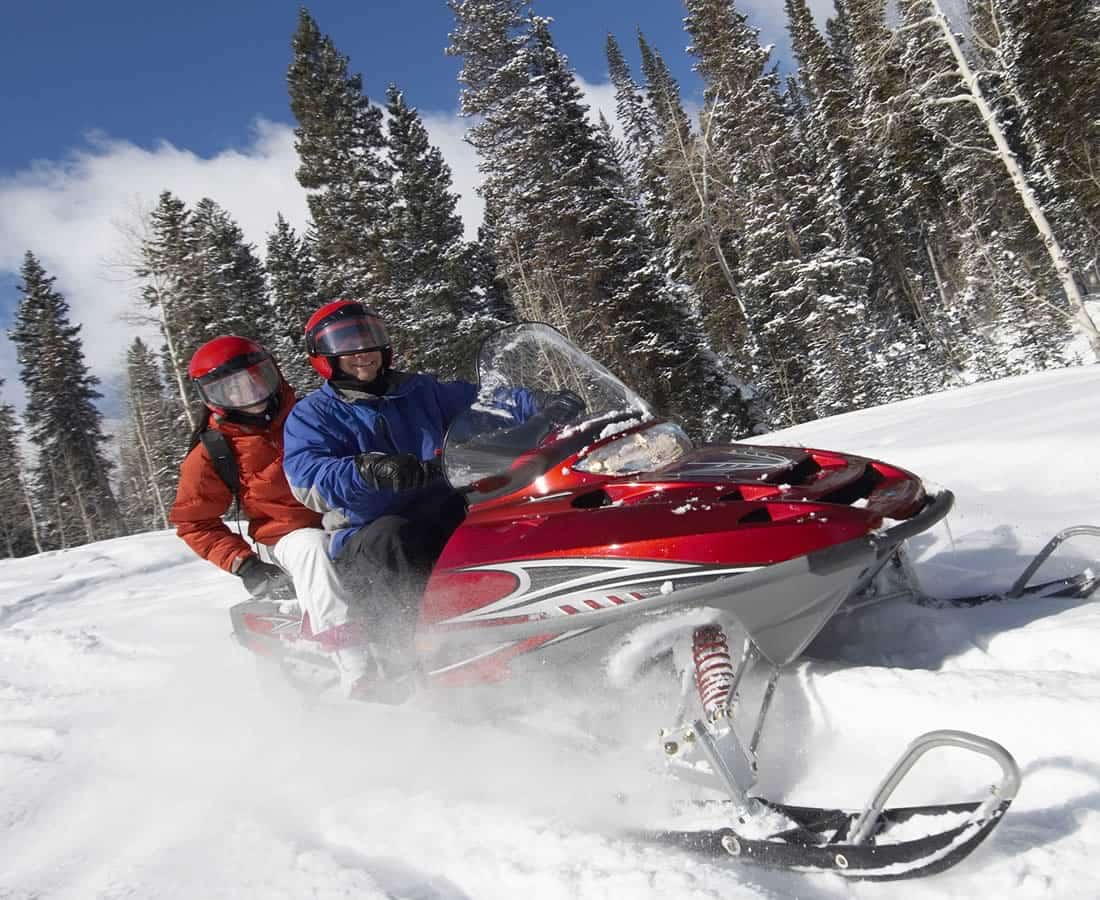
Newfoundlanders love their leisure time and their leisure vehicles. MyRide Leisure Insurance from Munn Insurance is the most competitive, comprehensive leisure vehicle insurance available in Newfoundland. Whether it’s your ATV, motorhome, motorcycle – or any of your leisure vehicles – A Munn policy offers more protection and value than any other program you’ll find.
- Boat and Watercraft
- ATV
- Snowmobile
- Classic Cars and Auto
- Motorhome, RV and Trailer
- Motorcycle





Car insurance laws in St. John’s.
St. John’s drivers must be in possession of legally determined minimum insurance coverage to drive on our roads. These minimum limits have been enacted to ensure drivers are financially responsible if an at-fault accident occurs.
Current limits for auto insurance in St. John’s are:
- $200,000 in liability coverage per accident
- Uninsured and unidentified motorist coverage
St. John’s drivers are not required to carry accident benefits coverage, although most do choose to buy this coverage, which includes coverage for medical payments, disability coverage, and death benefits coverage. This type of insurance is mandatory in other provinces. Many drivers in Newfoundland also opt to increase their liability coverage to limit risk and financial exposure.
There are also other optional coverages that can be purchased. These include comprehensive and collision coverage to protect in the event of an at-fault accident or non-accident scenario such as theft.
St. John’s car insurance – your questions answered.


Our Latest Advice
Cybersecurity in the News: What NL and NS Businesses Should Know About Their Risks and Insurance
Recent cybersecurity concerns and website shutdowns are a timely reminder for businesses to review their risks, understand their insurance protection and make sure they’re prepared for unexpected disruptions.
Cybersecurity is making headlines across Canada and around the world following the disclosure of critical vulnerabilities in widely used website software.
Here in Newfoundland and Labrador, several provincial government websites and online services were temporarily taken offline as a precaution. Memorial University and other organizations also took protective measures.
These shutdowns do not necessarily mean that a cyberattack or data breach has occurred. In many cases, taking systems offline is a precautionary step while security teams investigate potential risks and apply necessary updates.
However, the situation highlights something important for businesses of all sizes.
What would happen if the technology your business relies on suddenly became unavailable?
For businesses in Newfoundland and Labrador, Nova Scotia and across Atlantic Canada, it’s a good time to consider their cybersecurity risks, review their business continuity plans and understand the insurance coverage they have in place.
Why should businesses be concerned about cybersecurity risks?
Most businesses depend on technology to manage daily operations, communicate with customers, process payments, store information and deliver services.
A technology disruption can affect much more than a company’s website.
Imagine being unable to access customer records, process transactions, communicate with employees or use the software needed to run your business.
What would happen if the disruption lasted several days?
How would your business continue serving customers? What would the financial impact be?
And what if the problem involved a third-party technology provider that your business depends on?
These are important questions, even for businesses that have never experienced a cybersecurity incident.
What cyber risks could affect your business?
Cybersecurity incidents can create a range of operational and financial challenges. Some of the most common exposures include:
- Business interruption and lost revenue
A cyber incident may prevent a business from accessing the systems it needs to operate. Depending on the circumstances, this could result in lost sales, interrupted services or additional expenses to keep the business running.
- Data breaches and compromised information
Businesses often store sensitive customer, employee and financial information. If that information is compromised, they may face investigation costs, legal obligations, customer notification expenses and reputational concerns.
- Ransomware and cyber extortion
Ransomware can prevent organizations from accessing important files or systems. Cybercriminals may demand payment or threaten to release stolen information.
Responding to these incidents can require specialized technical, legal and recovery assistance.
- Problems involving third-party technology providers
Many businesses rely on cloud-based software, payment processors, online platforms and external IT providers.
An incident involving one of these providers could potentially interrupt your operations, even if your own systems have not been directly compromised.
- Investigation, recovery and response expenses
Cyber incidents can involve significant costs beyond the initial disruption, including technical investigations, restoring information, managing communications and getting operations running again.
Does regular business insurance cover cyberattacks?
Not necessarily.
Many business owners assume their existing commercial insurance policy provides protection against cyber-related incidents. However, traditional commercial policies may provide limited protection or exclude certain cyber-related losses.
Dedicated cyber insurance may help businesses manage some of the financial consequences of covered cybersecurity incidents.
Depending on the policy, cyber insurance may include protection for:
- Data breach response and notification costs.
- Certain cyber-related business interruption losses.
- Ransomware and cyber extortion incidents.
- Digital forensic investigations and recovery expenses.
- Privacy-related legal expenses and liability.
- Certain incidents involving third-party technology providers.
Coverage varies by policy and insurer. Limits, exclusions, waiting periods, definitions and other conditions may affect whether a particular loss is covered.
Not every website outage, technology disruption or precautionary shutdown will qualify for insurance coverage.
That’s why understanding your policy is so important.
What should businesses do following the recent cybersecurity news?

The current situation is a useful reminder to take a proactive approach.
Speak with your IT provider. Ask whether the recently disclosed software vulnerabilities affect any systems or services your business uses, and what security updates or precautions may be necessary.
Review your business continuity plans. Consider how your business would operate if essential technology or online services became temporarily unavailable.
Understand your technology dependencies. Identify the outside software providers and technology platforms your operations rely on.
Review your insurance coverage. Make sure you understand what protection you have, what may be excluded and whether your coverage reflects the risks your business faces today.
Cybersecurity and cyber insurance serve different purposes. Good cybersecurity practices can help reduce the likelihood and impact of an incident. Appropriate insurance may help manage certain financial consequences when covered incidents occur.
Both are important parts of protecting a business.
Have questions about your cyber insurance coverage? We’re here to help.
At Munn Insurance, we believe in helping businesses understand their risks and make informed decisions about protecting what matters.
With the recent cybersecurity news, we’re offering a FREE Cyber Insurance Coverage Review to businesses throughout Newfoundland and Labrador and Nova Scotia.
Whether you already carry cyber insurance or have never considered it, our Commercial Lines team would be happy to:
- Review your existing insurance protection.
- Answer questions about cyber insurance.
- Help identify potential gaps in coverage.
- Discuss whether your current protection reflects your business needs.
- Explore available insurance options where appropriate.
There’s no cost or obligation. We simply want to help make sure you understand your coverage and have the right protection in place.
Let’s talk about your coverage
Call Munn Insurance at 1-855-726-8627 or request your FREE Cyber Insurance Coverage Review today by emailing Marcel, one of our cyber insurance experts at [email protected]
9 Things to Consider Before Your Commercial Auto Insurance Renewal
Your commercial auto insurance renewal should be more than a [...]
How Much Does Landlord Insurance Cost in Newfoundland and Labrador and Nova Scotia?
If you own a rental property, or are thinking about [...]
Are You Paying Too Much for Commercial Auto Insurance? 7 Ways to Help Lower Your Cost
Commercial Auto Insurance is an important cost of doing business [...]