Save on car insurance in CBS.
We’re one of Conception Bay South’s largest independent brokers. We specialize in auto insurance. With a simple online quote or a quick call, you will get quotes from up to eight insurance companies. And with savings of up to 30%, you’ll be on the road with CBS’s best auto protection and benefits. That’s a promise.
Conception Bay South, a region of growth and a bright future.

As one of the province’s newest towns in close proximity to the capital of Newfoundland, St. John’s and its international airport, it is also made up of some of Newfoundland’s oldest settlements. Conception Bay South is thriving with a growing business community and has become one of the most attractive places to live in the province. The excellent highway structure has been created with the growth of the Town in mind, and the best interest of residents to reach major health care facilities and St. John’s amenities in mind. Your insurance can be as unique as your route. At Munn Insurance you can find the most competitive auto insurance in CBS and save while you’re doing it.
Driving in Conception Bay South – Tips to keep you on the road.
SERIOUS ABOUT ROAD SAFETY.
With a current population of 26,000 residents and seeing steady growth, Conception Bay South has made it a priority to ensure neighbourhood safety for pedestrians, cyclists and drivers. With continued investment in traffic calming and education, the Town has regular radar patrol in areas know for higher driving speeds, mobile digital traffic signs, targeted traffic operations in partnership with the Royal Newfoundland Constabulary and a sidewalk program with a priority in school zone areas.
KEEPING AHEAD OF THE SNOW.
Winters in Newfoundland can be particularly daunting, so Conception Bay South has approximately 35 full-time and part-time staff to support the engagement of 18 pieces of snow-clearing equipment within a 24-hour period. During winter, the Town has three shifts out scheduled 24 hours a day, five days a week, with weekend on-call as needed. Even with the full fleet in operation it takes approximately eight hours to clear the entire town.
FIND YOUR SPEED.
With the Town continuing to grow, it has prioritized safety initiatives and traffic calming measures throughout. They continuously update a map embedded on the Conception Bay South website that collects speed data for various streets so residents can see what the average driving speed is in their neighbourhood.
KEEP THOSE PLATES CLEAN.
Anyone in control of a vehicle must make sure that identification plates are securely fastened at all times to the vehicle, no matter if the driver is the owner or not. It’s also important that the license plates are kept clean from dirt and that the numbers are visible at all times. This is especially important during the winter and spring seasons, when snow and dirt can accumulate and obstruct the view of the plate.

A few facts about car insurance in CBS.
- The average age of auto insurance policyholder in Conception Bay South is 30
- The average age of drivers in Conception Bay South is 41
- The number of accident claims in Conception Bay South in 2018 was 1500
- The top automotive brands we insure in Conception Bay South are Toyota, Chevrolet, Ford, Honda, Mazda, Dodge, Volkswagen
- 63% of people in Conception Bay South drive Cars
- 37% of people in Conception Bay South drive Trucks

Facts and myths about Conception Bay South.
FACTS
Conception Bay South was incorporated in 1973.
The Town consists of nine communities: Topsail, Chamberlains, Manuels, Long Pond, Foxtrap, Kelligrews, Upper Gullies, Lawrence Pond and Seal Cove.
The Town lies on a zone of Cambrian bedrock, primarily shale containing limestone concretions and manganese ores.
The majority of households have an income that is above the national average of $90,000.
MYTHS
CBS is actually comprised of nine communities, with its own municipal services such as automated garbage pickup and snow clearing. The Town has a thriving business community and a growing population.
The Town’s weather is some of the best in the province, with early settlers attracted to the region by good growing land, abundant supplies of firewood and the more temperate climate as compared to other parts of the Avalon Peninsula.
CBS is a town with nine unique communities that all boast attractions for tourists and residents alike. You can find the T’Railway, a non-motorized trail that traces the old Newfoundland Railway railbed. It’s also home to Topsail Beach that features an extensive picnic area, playground, gazebo and an amphitheatre. Many visitors partake in campfires and swimming. Visitors can also enjoy the Manuels River, an internationally recognized site known for 500-million-year-old trilobite fossils found along the riverbanks and visit the Manuels River Hibernia Interpretation Centre.
The Town has a growing a business community, with businesses in every category. CBS is home to everything from art galleries and recording studios to accounting firms and marketing agencies.
We do the shopping. You get the savings.
Newfoundlanders love choice. And they love saving too! At Munn Insurance, we deliver on both. As an independent insurance broker, we shop our extensive network of insurance partners to provide our Newfoundland customers with the best coverage at the best rate. Some of the insurance companies we search for our customers include:

How Munn Insurance saves you money.
We work for you – that’s what an insurance broker does. We shop the market on your behalf, so Munn insurance can offer you the most access to the best discounts from our insurance partners.
- Bundling (Auto + Home Discount)
- Multiple Vehicle Discounts
- Experienced Drivers Discount
- Safe Drivers Discount
- Claims-Free Discount
- Loyalty Discount
- And Many More

Combine your home and car policies and save.
With Munn Insurance, home and auto policies are better together. It means extra savings and additional coverage. So combine them both and receive a discount on both. That’s like a double discount!
Combining also gives you the extra convenience of aligned renewal rates and less paperwork.
You can combine your auto policy with any Munn Insurance home policy for the following dwelling types:
- Private Homes
- Condos
- Tenants
- Cabins/Cottages
- Rented Dwellings
Special discounts and savings with a Munn Insurance group policy.
We recognize the value groups provide to Newfoundland communities. First Responders, Health Care Professionals, Alumni Associations, Educators and Instructors all play a vital role in helping others across the Island. They give so much, and we’re happy to give back. Munn Insurance Preferred Groups in Newfoundland are able to take advantage of special discounts and many extra-valuable benefits.
- Special Group Discounts
- Mortgage & Real Estate Assistance
- 0% Insurance Financing
- Home Repair Assistance
- Legal Assistance
- Health Assistance












- CAA Members can SAVE up to 20% on Auto and Home Insurance
- Access to multiple insurance markets; knowing you get the best coverage at the best rate
- Confidence and security of being a member of a preferred group
- Local, fast and efficient 24/7 Claims Service
- Legal Assistance
- Health Assistance
Get Newfoundland’s best leisure vehicle protection.
Newfoundlanders love their leisure time and their leisure vehicles. MyRide Leisure Insurance from Munn Insurance is the most competitive, comprehensive leisure vehicle insurance available in Newfoundland. Whether it’s your ATV, motorhome, motorcycle – or any of your leisure vehicles – A Munn policy offers more protection and value than any other program you’ll find.
- Boat and Watercraft
- ATV
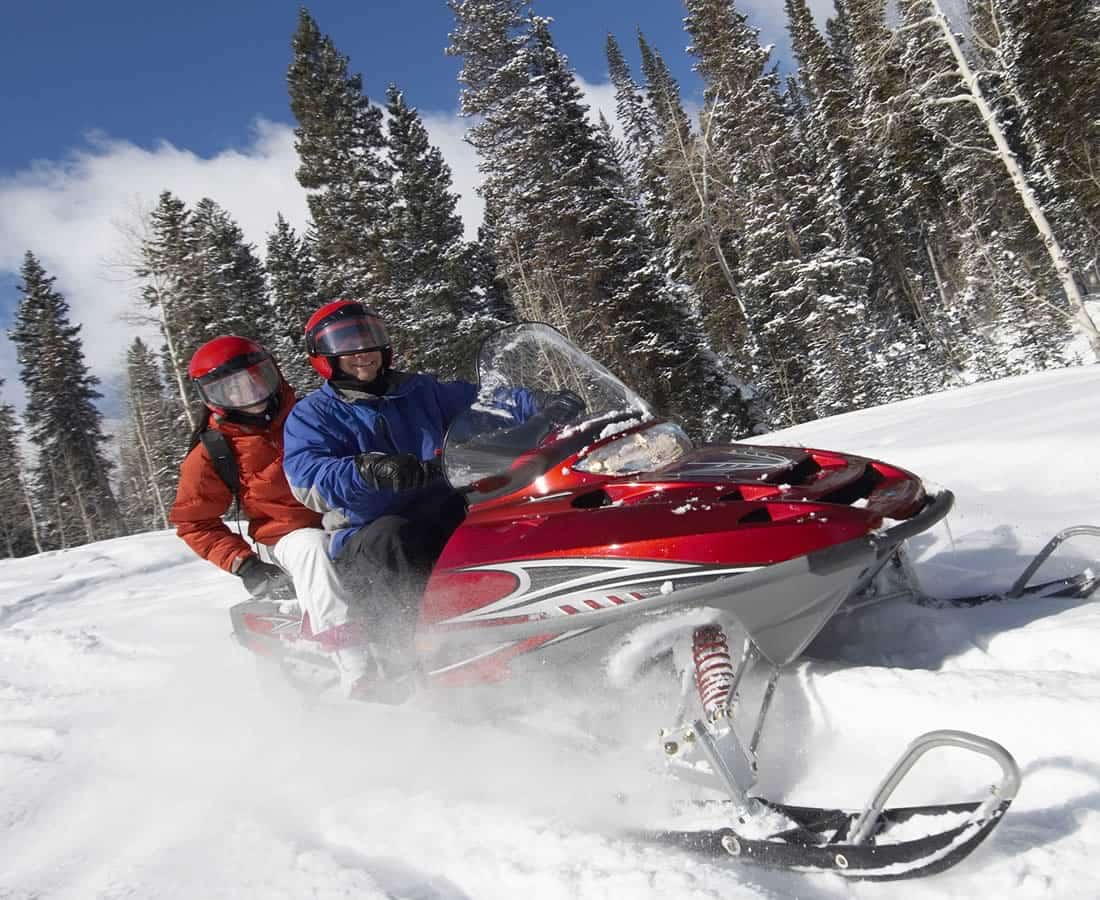
- Snowmobile
- Classic Cars and Auto
- Motorhome, RV and Trailer
- Motorcycle




Car insurance laws in Conception Bay South.
Conception Bay South drivers must be in possession of legally determined minimum insurance coverage to drive on our roads. These minimum limits have been enacted to ensure drivers are financially responsible if an at-fault accident occurs.
Current limits for auto insurance in Conception Bay South are:
- $200,000 in liability coverage per accident
- Uninsured and unidentified motorist coverage
Conception Bay South drivers are not required to carry accident benefits coverage, although most do choose to buy this coverage, which includes coverage for medical payments, disability coverage, and death benefits coverage. This type of insurance is mandatory in other provinces. Many drivers in Newfoundland also opt to increase their liability coverage to limit risk and financial exposure.
There are also other optional coverages that can be purchased. These include comprehensive and collision coverage to protect in the event of an at-fault accident or non-accident scenario such as theft.
Conception Bay South car insurance – your questions answered.

Our Latest Advice
Fall Checklist for Landlords in Newfoundland and Labrador and Nova Scotia
Fall is one of the best times for landlords to take a close look at their rental properties.
The temperatures are dropping, winter weather is coming, and small maintenance issues that are manageable in September or October can become much bigger problems once snow, ice and freezing temperatures arrive.
For landlords in Newfoundland and Labrador and Nova Scotia, a little preparation in the fall can help reduce the risk of water damage, frozen pipes, heating failures, slips and falls, storm damage and other costly problems. Having the right landlord insurance in place is part of that protection — but so is staying on top of property maintenance before winter sets in.
It can also help protect your tenants, your rental income and your investment.
Here are 11 things landlords should check before winter arrives.
1. Check the Roof, Gutters and Drainage
Start at the top.
Look for missing or damaged shingles, loose flashing, signs of leaks and other roof issues. Clean gutters and downspouts and make sure water is being directed away from the foundation.
Fall rain can also help reveal drainage problems that may be harder to spot during dry weather.
Pay attention to:
- Missing or damaged shingles
- Loose flashing
- Signs of previous leaks
- Blocked gutters
- Damaged downspouts
- Water pooling near the foundation
- Exterior drains that are not flowing properly
A small roof or drainage issue in the fall can become a much larger water problem once winter weather arrives.
2. Inspect and Service the Heating System and Fireplaces
A heating failure in January is much more serious than one in September.
Make sure the property’s heating system is operating properly before cold weather arrives. Depending on the property, that could include:
- Electric baseboards
- Heat pumps
- Furnaces
- Boilers
- Oil-fired equipment
- Propane fireplaces or heating systems
- Wood-burning appliances
Where appropriate, have heating equipment serviced by a qualified professional.
If the property has a propane fireplace or propane heating appliance, have it inspected and serviced as recommended and make sure vents and surrounding areas are clear.
If the property uses oil heat, check the condition of the oil tank and related equipment.
If there is a wood stove or other wood-burning appliance, make sure required inspections and maintenance are up to date.
A reliable heating system is not only about tenant comfort. It can also help protect against frozen pipes and other winter damage.
3. Protect Against Frozen Pipes and Water Damage
Frozen pipes can cause significant damage very quickly.
Check vulnerable plumbing in:
- Exterior walls
- Unheated basements
- Crawl spaces
- Garages
- Utility rooms
- Areas exposed to drafts
Pay particular attention to exterior faucets and water lines before freezing temperatures arrive.
Remove garden hoses from exterior taps. A hose left connected can trap water in the faucet or supply line and contribute to freezing and damage.
Where the plumbing is designed for it:
- Shut off the interior water supply valve serving exterior faucets
- Open the exterior tap to drain remaining water
- Drain other seasonal exterior water lines
- Make sure exposed or vulnerable pipes are adequately protected
Also check for existing plumbing leaks, signs of moisture and other water issues before winter.
Make sure tenants know what to do if the heat stops working or they discover a leak. Where appropriate, they should also know where the main water shut-off valve is located and how to contact you quickly in an emergency.
4. Check Windows, Doors and Exterior Openings
Inspect exterior windows and doors for:
- Drafts
- Damaged weatherstripping
- Failed caulking
- Broken locks
- Cracked glass
- Water intrusion
- Doors or windows that do not close properly
Cold air and moisture entering the building can increase heating costs and potentially expose plumbing to lower temperatures.
Pay particular attention to older windows, basement doors and other areas that are exposed to wind and weather.
5. Inspect Steps, Walkways, Decks and Railings
Fall is a good time to identify exterior hazards before snow and ice cover them.
Check:
- Steps
- Walkways
- Driveways
- Decks
- Porches
- Handrails
- Guardrails
- Exterior lighting
Look for loose boards, cracked concrete, uneven surfaces, damaged steps, deteriorated railings and other issues that could create a safety or liability risk.
A small problem that is easy to see in the fall can become much harder to spot once it is covered by snow or ice.
6. Make a Snow and Ice Removal Plan
Do not wait for the first snowfall to decide who is responsible.
Make sure there is a clear plan for:
- Shovelling steps
- Clearing walkways
- Clearing driveways
- Salting or sanding icy areas
- Maintaining common entrances
Depending on the rental arrangement, the work may be handled by the landlord, tenant or a contractor.
What matters is that the responsibility is clear and the work gets done.
If you use a snow-clearing contractor, confirm arrangements before the busy winter season begins.
7. Check Smoke Alarms, Carbon Monoxide Alarms and Fire Safety
Test smoke and carbon monoxide alarms and check batteries and expiry dates where applicable.
Also look at:
- Fire extinguishers, where provided
- Dryer vents
- Electrical panels
- Heating equipment
- Chimneys
- Emergency exits
Fire and carbon monoxide safety should be part of regular property maintenance throughout the year, but fall is a good time to make sure everything is ready before heating systems are working harder and tenants are spending more time indoors.
8. Prepare the Exterior for Fall and Winter Storms
Take a walk around the property and look for anything that could become a problem during high winds, heavy rain, snow or ice.
Check for:
- Loose siding
- Damaged shingles
- Weak or dead tree branches
- Loose fencing
- Unsecured sheds
- Outdoor furniture
- Garbage containers
- Items stored on decks or balconies
Anything that can move in high winds can potentially damage your property or someone else’s.
Also look for branches hanging over the roof, driveway, walkways or neighbouring property. Use qualified professionals for tree work that is beyond basic maintenance, especially around buildings or power lines.
9. Check In With Your Tenants
A quick check-in with tenants before winter can help uncover small issues before they become bigger problems.
Ask whether there are any outstanding:
- Maintenance concerns
- Leaks
- Heating issues
- Drafts
- Damaged steps or railings
- Plumbing problems
- Other issues you should know about
Make sure tenants know:
- How to reach you
- Who to contact for urgent repairs
- What to do if the heat stops working
- How to report a leak or water problem
- Who is responsible for snow and ice removal
- How to contact you after hours if there is an emergency
Good communication can make a big difference.
A small issue reported early is usually much easier to deal with than one discovered after it has caused significant damage.
10. Pay Extra Attention to Vacant Properties or Units
A vacant property or unit needs extra attention, especially as temperatures drop.
With nobody living there, problems such as these can go unnoticed:
- A heating failure
- A burst pipe
- A leak
- Storm damage
- A break-in
- Other developing maintenance issues
Inspect vacant properties or units regularly and make sure heating, plumbing and other building systems are being maintained.
If a property will be vacant or unoccupied for an extended period, tell your insurance broker.
Vacancy can affect your insurance coverage or create additional insurer requirements, so do not assume your policy continues unchanged simply because you still own the property.
11. Review Your Landlord Insurance
Fall is a good time to check in with your insurance broker and make sure your landlord insurance policy still reflects the property as it is today.
Let your broker know about any significant changes, such as:
- Renovations or upgrades
- A new roof
- Plumbing or electrical updates
- Changes to the heating system
- A new propane fireplace or wood stove
- An added rental unit
- A change in how the property is rented
- A vacant or unoccupied unit
- The purchase of another rental property
It is also a good opportunity to review your coverage, deductibles and limits and ask any questions you may have about how your landlord insurance applies.
Take a few photos while you are doing your fall inspection as well.
Photos of the roof, exterior, steps, decks, heating equipment, major repairs and upgrades can give you a useful record of the property’s condition and the maintenance you have completed.
Keep those photos with your other property and maintenance records.
Insurance should keep pace with the property, so a quick seasonal check-in can help make sure nothing important has changed without being reflected in your policy.
Quick Fall Checklist for Landlords

Before winter arrives, check:
- Roof, gutters and drainage
- Heating systems, including propane and wood-burning appliances
- Plumbing and vulnerable pipes
- Garden hoses removed from exterior taps
- Exterior water lines winterized where applicable
- Windows and doors
- Steps, walkways, decks and railings
- Snow and ice removal arrangements
- Smoke and carbon monoxide alarms
- Exterior storm hazards
- Tenants contacted and outstanding issues discussed
- Vacant properties or units inspected
- Landlord insurance reviewed
- Photos and maintenance records updated
The Bottom Line: A Little Work in the Fall Can Prevent Bigger Problems in the Winter
You cannot prevent every loss.
But many of the problems landlords face during an Atlantic Canadian winter start with something that could have been identified earlier.
A small leak.
A loose railing.
An aging roof.
A heating system that needs servicing.
A blocked gutter.
A garden hose left connected to an exterior tap.
An unclear snow-clearing arrangement.
Or a maintenance concern a tenant has noticed but has not yet mentioned.
Fall gives landlords an opportunity to find those issues while there is still time to deal with them.
A little preparation now can help protect the property, reduce liability risks, keep tenants safer and avoid much larger headaches when winter arrives.
Protect Your Rental Property With Local Insurance Experts at Munn Insurance
Good maintenance and the right insurance work together to help protect your rental property.
Munn Insurance’s local insurance experts work with landlords throughout Newfoundland and Labrador and Nova Scotia. Whether you own one rental property or a growing portfolio, we can help you understand your insurance options and find coverage that fits your property.
Get a landlord insurance quote today.
Visit: munninsurance.com/landlord-insurance-program/
Call: 1-855-726-8627
Protect the property. Protect the income. Protect the investment.
Commercial Auto Insurance Isn’t Just for Fleets: What One-Vehicle Businesses Need to Know
Whether you have one work vehicle or a fleet of [...]
Does Landlord Insurance Cover Damage Caused by Tenants?
You walk into your rental property after a tenant moves [...]
When Do I Need a Fleet Insurance Policy?
If your business is growing from one or two work [...]