Save on car insurance in Paradise.
We’re one of Paradise’s largest independent brokers. We specialize in auto insurance. With a simple online quote or a quick call, you will get quotes from up to eight insurance companies. And with savings of up to 30%, you’ll be on the road with Paradise’s best auto protection and benefits. That’s a promise.
Paradise, the place to work and play.

Located just minutes from the Capital City, Paradise is a beautiful mix of both urban and community living. Being one of Atlantic Canada’s fastest-growing municipalities, residents settle here for the easy access to work, shopping, recreational and cultural attractions as well as hospitals and educational institutions. Perfectly centred, you’ll find your drive to surrounding areas easy, if not quick. Your insurance can be as unique as your route. At Munn Insurance you can find the most competitive auto insurance in Paradise and save while you’re doing it.
Driving in Paradise – Tips to keep you on the road.
PRACTICE THE MOVE OVER LAW.
As in all of Newfoundland, Paradise is very strict with the Move Over Law. This law applies when a designated vehicle is stopped and operating its red, blue or amber lights or has other traffic warning signals displayed. The general rule is to create a buffer lane by slowing down and putting as much distance between the driver and the stopped vehicle. If there is another lane going in the same direction and it is safe to do so, the driver must slow down and change lanes so there is a full lane between the driver and the stopped vehicle. If a second lane isn’t available, the driver must put as much distance between the vehicle and the designated vehicle that is safely possible.
HAND FREE AT ALL TIMES.
Fines for using a cell phone while driving are high in the province of Newfoundland, and the RNC are extremely vigilant in the Town of Paradise. The current penalty is 4 demerit points with fines ranging from $350 to $1000.
JUST ONE DRINK.
Newfoundland has severe impaired driving regulations to help keep all residents safe. As of 2017, any driver whose licence was suspended after an impaired driving conviction will be required to enter a mandatory ignition interlock program as a condition of reinstatement. As well, anyone 22 years and younger are required to maintain a zero-blood alcohol content while driving. Not a risk you want to take.
KEEP A KEEN EYE FOR MOOSE.
Even though Paradise is considered an urban centre, moose populate every corner of the province. There are approximately 120,000 moose on the island and even the more populated areas are surrounded by dense forest areas. The animals tend to wander onto roadways and are more active during sunrise and sunset. Don’t be fooled by the fact you may be driving by a shopping plaza; a moose can very easily wander across your path.
A few facts about car insurance in Paradise.
- The average age of auto insurance policyholder in Paradise is 35
- The average age of drivers in Paradise is 46
- The number of accident claims in Paradise in 2018 was 1800
- The top automotive brands we insure in Paradise are Honda, Ford, Toyota, Chevrolet, Dodge, Volkswagen, Hyundai
- 64% of people in Paradise drive Cars
- 36% of people in Paradise drive Trucks
Facts and myths about Paradise.
FACTS
Precambrian bedrock underlies the Town, with a belt of volcanic rock along the coast and clastic sedimentary rock inland.
The Town crest was created by a former town council member and one-time mayor, “Black” Arch Janes in 1986.
The war memorial located at the town hall was also designed by Arch Janes before his death in 1987.
In the 2009 municipal election, 19-year-old Kurtis Coombs was declared as mayor, making him the youngest mayor in Canada. However, a recount was called, and Coombs and incumbent Ralph Wiseman tied in votes. A draw was used to determine the winner with Wiseman being picked as mayor. Another recount was called that resulted in another tie and Wiseman was stated to stand as mayor.
MYTHS
Paradise is the fastest growing town in Atlantic Canada. For residents and visitors, Paradise also has a variety of recreation facilities and services, including community programs, groups and classes.
The Town has a very modern and developed park that includes an accessible playground, splash pad, beach volleyball courts, community stage and there are also two fenced dog parks, one for small dogs and one for larger dogs. Each dog park includes water fountains to service both dogs and their humans.
As the fastest growing town in Atlantic Canada, Paradise is home to a booming population that is also growing in business needs. Paradise is serviced by Metrobus, and with rapid land development there are abundant opportunities for businesses of all types to set up shop.
We do the shopping. You get the savings.
Newfoundlanders love choice. And they love saving too! At Munn Insurance, we deliver on both. As an independent insurance broker, we shop our extensive network of insurance partners to provide our Newfoundland customers with the best coverage at the best rate. Some of the insurance companies we search for our customers include:

How Munn Insurance saves you money.
We work for you – that’s what an insurance broker does. We shop the market on your behalf, so Munn insurance can offer you the most access to the best discounts from our insurance partners.
- Bundling (Auto + Home Discount)
- Multiple Vehicle Discounts
- Experienced Drivers Discount
- Safe Drivers Discount
- Claims-Free Discount
- Loyalty Discount
- And Many More

Combine your home and car policies and save.
With Munn Insurance, home and auto policies are better together. It means extra savings and additional coverage. So combine them both and receive a discount on both. That’s like a double discount!
Combining also gives you the extra convenience of aligned renewal rates and less paperwork.
You can combine your auto policy with any Munn Insurance home policy for the following dwelling types:
- Private Homes
- Condos
- Tenants
- Cabins/Cottages
- Rented Dwellings

Special discounts and savings with a Munn Insurance group policy.
We recognize the value groups provide to Newfoundland communities. First Responders, Health Care Professionals, Alumni Associations, Educators and Instructors all play a vital role in helping others across the Island. They give so much, and we’re happy to give back. Munn Insurance Preferred Groups in Newfoundland are able to take advantage of special discounts and many extra-valuable benefits.
- Special Group Discounts
- Mortgage & Real Estate Assistance
- 0% Insurance Financing
- Home Repair Assistance
- Legal Assistance
- Health Assistance




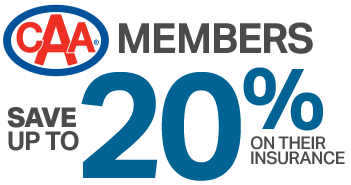
- CAA Members can SAVE up to 20% on Auto and Home Insurance
- Access to multiple insurance markets; knowing you get the best coverage at the best rate
- Confidence and security of being a member of a preferred group
- Local, fast and efficient 24/7 Claims Service
- Legal Assistance
- Health Assistance
Get Newfoundland’s best leisure vehicle protection.
Newfoundlanders love their leisure time and their leisure vehicles. MyRide Leisure Insurance from Munn Insurance is the most competitive, comprehensive leisure vehicle insurance available in Newfoundland. Whether it’s your ATV, motorhome, motorcycle – or any of your leisure vehicles – A Munn policy offers more protection and value than any other program you’ll find.
- Boat and Watercraft
- ATV
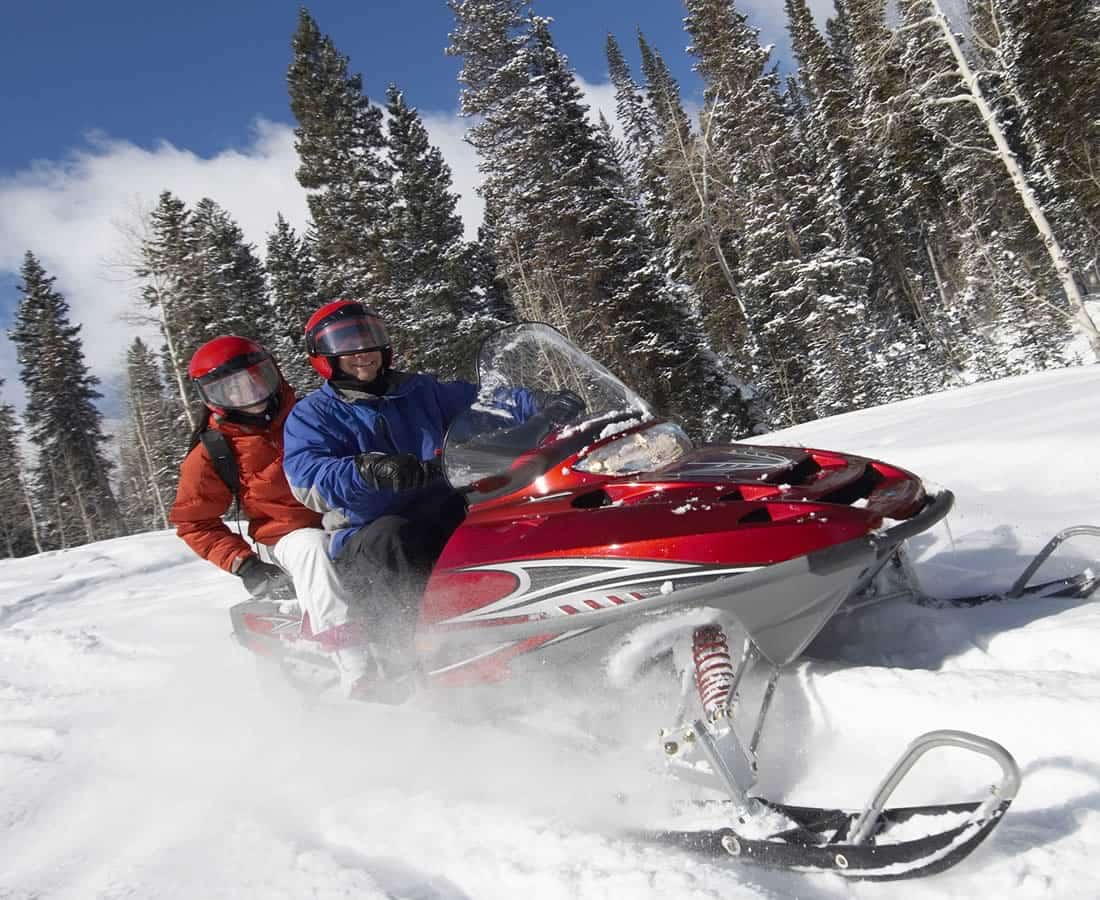
- Snowmobile
- Classic Cars and Auto
- Motorhome, RV and Trailer
- Motorcycle




Car insurance laws in Paradise.
Paradise drivers must be in possession of legally determined minimum insurance coverage to drive on our roads. These minimum limits have been enacted to ensure drivers are financially responsible if an at-fault accident occurs.
Current limits for auto insurance in Paradise are:
- $200,000 in liability coverage per accident
- Uninsured and unidentified motorist coverage
Paradise drivers are not required to carry accident benefits coverage, although most do choose to buy this coverage, which includes coverage for medical payments, disability coverage, and death benefits coverage. This type of insurance is mandatory in other provinces. Many drivers in Newfoundland also opt to increase their liability coverage to limit risk and financial exposure.
There are also other optional coverages that can be purchased. These include comprehensive and collision coverage to protect in the event of an at-fault accident or non-accident scenario such as theft.
Paradise car insurance – your questions answered.

Our Latest Advice
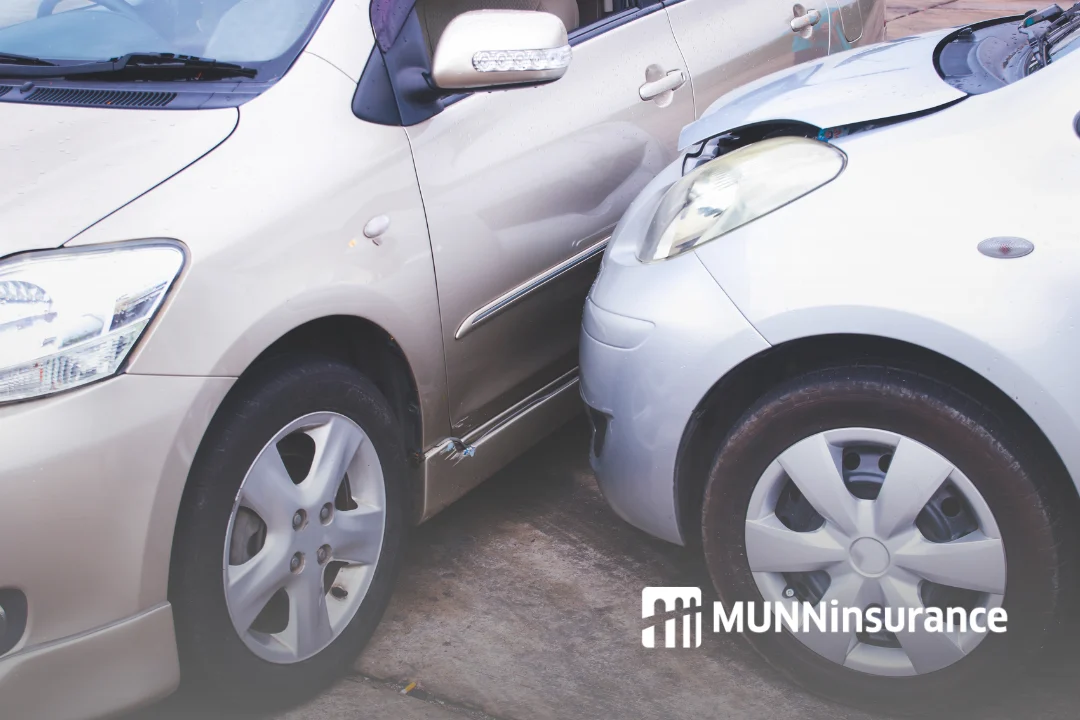
What to Do After an Accident in a Company Vehicle: A Commercial Auto Claims Guide
An accident involving a company vehicle can create a lot of questions very quickly.
Is anyone hurt? Do you need to call police? What information should the driver collect? Who needs to be notified? When should the insurance claim be reported? And what does the business need to do if the vehicle cannot be used?
The easiest way to think about it is in two parts.
First, the driver — whether that is an employee or the business owner — needs to deal with the accident scene safely and collect the right information.
Then, the business needs to report the accident, start the Commercial Auto claim and take the necessary steps to keep the operation moving.
Here is what to do.
Part 1: What should the driver do after an accident?
Whether the person driving is an employee or the owner of the business, the immediate steps are essentially the same.
1. Make sure everyone is safe
Safety comes first.
Stop the vehicle and check whether the driver, passengers or anyone else involved has been injured.
If someone is hurt or emergency assistance is required, call 911 immediately.
If the vehicles can be moved safely out of active traffic, do so. Turn on hazard lights and take reasonable steps to make the scene visible to other drivers.
Don’t worry about the insurance claim yet.
Deal with people and immediate safety first.
2. Call police when required
Police should be contacted when required under provincial law and in situations involving things such as:
- Injuries or fatalities
- A hit-and-run
- Suspected impaired driving
- Significant property damage
- A vehicle that cannot safely be moved
- Damage to public property
- Other circumstances where police assistance is needed
If police attend, record the officer’s name and the police file or incident number.
If you are unsure whether an accident needs to be reported, it is better to ask.
3. Exchange information with the other driver
Once everyone is safe, collect the information that will be needed for the claim.
Get the other driver’s:
- Full name
- Address
- Phone number
- Driver’s licence information
- Licence plate
- Vehicle make and model
- Insurance company
- Policy information
If other vehicles are involved, collect the same information from each driver.
If there are independent witnesses, get their names and contact information as well.
4. Take photos and document what happened
The accident scene can change quickly.
Vehicles get moved. Traffic resumes. Weather changes. Witnesses leave.
If it is safe to do so, take photographs or video of:
- Your company vehicle
- The other vehicle or vehicles
- Damage to each vehicle
- Vehicle positions
- Licence plates
- The overall accident scene
- Road conditions
- Traffic signs or signals
- Skid marks or debris
- Damage to other property
- Weather and visibility conditions
- Any trailer or equipment involved
Also make a note of:
- Date and time
- Exact location
- Direction the vehicles were travelling
- What happened immediately before the accident
- Any injuries you are aware of
Don’t rely on remembering all of this later.
5. Don’t admit fault
Be courteous and make sure everyone is okay, but don’t try to determine fault at the scene.
Don’t:
Admit responsibility
- Agree to pay for damage
- Sign anything accepting fault
- Get into an argument about who caused the accident
Stick to the facts.
The circumstances of the accident can be reviewed later by the appropriate insurers and other parties.
6. Notify the business
If an employee is driving the vehicle, they should contact their manager, supervisor or designated company contact as soon as reasonably possible.
The employee should tell the business:
- Where the accident happened
- Whether anyone is injured
- Whether police are involved
- Whether the vehicle can be driven
- Where the vehicle is located
- Whether a tow is required
- What other vehicles or property were involved
The business can then take over the insurance and operational side of the situation.
What if the business owner was driving?
If the owner was behind the wheel, the same accident-scene steps apply.
Once the immediate situation is under control, the owner simply moves to the business side of the process and reports the claim.
7. Be careful about towing and repairs
If the vehicle cannot be safely driven, it may need to be towed.
Make sure you know where the vehicle is being taken and keep any towing paperwork or receipts.
Unless emergency work is necessary to prevent further damage, don’t authorize major repairs before the insurer or claims adjuster has had an opportunity to provide direction.
If you are unsure what to do, contact Munn.
Part 2: What should the business do after the accident?

Once the driver is safe and the basic accident information has been collected, the business needs to turn its attention to the Commercial Auto claim.
1. Get the information from the driver
Start by getting a clear understanding of what happened.
Collect:
- Driver’s name
- Company vehicle information
- Date, time and location
- Description of the accident
- Information on the other vehicles and drivers
- Photos and video
- Witness information
- Police information or incident number
- Details of any injuries
- Towing information
- Location of the company vehicle
If your business has its own accident-reporting form, complete that as well.
Don’t wait for every single detail before starting the insurance claim.
2. Contact Munn and report the claim
Report the accident as soon as reasonably possible.
You do not need to know exactly who was at fault or have every repair estimate before calling.
When reporting the claim, it is useful to have:
- Business name
- Commercial Auto policy number, if available
- Driver’s name
- Vehicle information
- Date, time and location of the accident
- Brief description of what happened
- Other driver and insurance information
- Police report information, if applicable
- Details of known injuries
- Photos or other documentation
- Location of the damaged vehicle
To report a Commercial Auto claim, call Munn at 1-855-726-8627.
Munn can help get the claim reported to the insurance company and explain what happens next.
3. Work with the claims adjuster
Once the claim is reported, the insurance company will normally assign a claims adjuster.
The adjuster may:
- Get a more detailed statement about the accident
- Review the applicable coverage
- Obtain police or other reports
- Review photographs
- Arrange an appraisal or estimate
- Provide direction on repairs
- Discuss the deductible
- Address liability issues
- Deal with other parties involved in the accident
- Discuss rental or temporary replacement transportation where applicable
Make sure the appropriate person at your business knows who the adjuster is and keeps their contact information handy.
4. Figure out what to do with the damaged vehicle
The insurer or adjuster can provide direction on the next steps for the vehicle.
Depending on the damage, this could involve:
- Towing
- An appraisal
- Repair estimates
- Selecting a repair facility
- Repairs
- Determining whether the vehicle is repairable
- Settlement if the vehicle is a total loss
Keep receipts and records for expenses related to the claim.
5. Ask about a temporary replacement vehicle
For a business, this can be one of the most important questions.
How are you going to keep working while the company vehicle is being repaired?
Depending on the coverage purchased and the circumstances of the loss, coverage may be available for a rental or temporary replacement vehicle.
This can be particularly important when the business has only one or two vehicles.
If your only service van is off the road for three weeks, you still have employees to move, customers to visit and jobs to complete.
Ask about this early in the claim process.
6. Deal with any employee injury requirements
If an employee was injured while driving for work, the automobile insurance claim may not be the only reporting requirement.
The business may also have workplace injury reporting obligations.
Make sure the appropriate person within the organization follows any applicable occupational health and safety, workers’ compensation or internal HR procedures.
7. Keep all claim information together
Commercial Auto claims can generate a lot of paperwork.
Keep a claim file containing things such as:
- Claim number
- Adjuster’s name and contact information
- Police information
- Driver’s accident report
- Photos and videos
- Witness information
- Towing invoices
- Repair estimates
- Rental invoices
- Receipts
- Correspondence with the insurer
- Internal incident reports
If the business receives a legal letter, Statement of Claim or other legal document arising from the accident, send it to Munn or the insurer promptly.
Don’t respond to legal allegations on your own.
8. Manage the impact on the business
The insurance claim is only one part of the situation.
The business may also need to deal with:
- Employee schedules
- Missed appointments
- Delayed deliveries
- Equipment that was in the vehicle
- Tools or materials that were damaged
- A trailer involved in the accident
- Customer commitments
- Temporary transportation
- Replacement vehicles
Some of these items may be covered under other parts of your insurance program, while others may not be covered at all.
Tell Munn about the whole loss, not just the damage to the vehicle.
9. Review the accident afterward
Once the immediate claim is under control, take some time to understand what happened.
Ask:
- What caused or contributed to the accident?
- Was the employee following company driving procedures?
- Was driver training an issue?
- Were weather or road conditions a factor?
- Was the vehicle properly maintained?
- Was distracted driving involved?
- Have you had similar accidents before?
- Could anything reasonably be changed to reduce the chance of another accident?
The goal isn’t simply to assign blame.
It is to identify opportunities to make your drivers, vehicles and business safer.
Make sure your drivers know what to do before an accident happens
Every employee who drives a company vehicle should know the accident procedure before they ever need it.
Consider keeping basic accident instructions in every company vehicle.
That information could include:
- Who to call at the business
- Munn’s claims number
- Insurance information
- Vehicle registration
- Basic accident instructions
- A form for recording other driver and witness information
- What photos to take
- What to do if the vehicle cannot be driven
The process should be simple enough that an employee can follow it while dealing with a stressful situation.
A useful way to explain it to drivers is:
Be safe. Get the information. Take pictures. Don’t admit fault. Call the company.
Then the business takes it from there.
When an accident happens, you don’t have to figure out the Commercial Auto claims process on your own.
Munn can help you report the loss, understand the next steps and work through the claim with your insurance company.
To report a Commercial Auto claim, call Munn at 1-855-726-8627.
Whether you have one work vehicle or a whole fleet, we’re here when you need us.
Employees Use their Personal Vehicles for Work? What Every Business Owner Needs to Know
Using a personal vehicle for work is common. A business [...]
How to Talk to Your Kid About E-Bike and E-Scooter Safety
E-bikes and e-scooters are giving young people more freedom — [...]
E-Scooters and E-Bikes Are an Emerging Risk on Our Streets: What Drivers, Parents and Young Riders Need to Know
E-scooters and e-bikes are an emerging risk on our streets, [...]