Save on car insurance in Mount Pearl.
We’re one of Mount Pearl’s largest independent brokers. We specialize in auto insurance. With a simple online quote or a quick call, you will get quotes from up to eight insurance companies. And with savings of up to 30%, you’ll be on the road with Mount Pearl’s best auto protection and benefits. That’s a promise.
Mount Pearl is the city of urban living in nature.
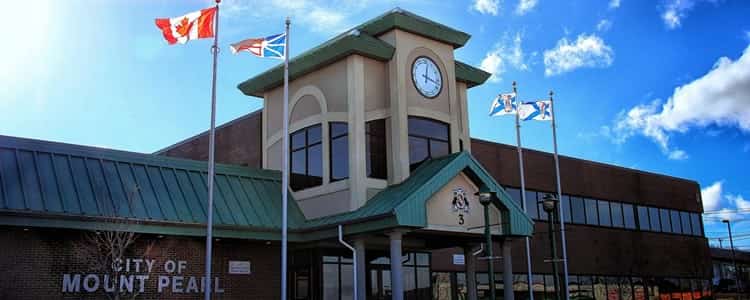
As one of the largest cities in Newfoundland and Labrador, you will find the comforts of a large city here. These comforts are nestled in nature, giving residents and visitors the best of both worlds. Mount Pearl is a carefully planned, modern city that continues to grow to meet future needs. The city is family-oriented and business-friendly, with extensive municipal services and community programs. Driving in Mount Pearl is like driving in any modern city, with responsive road maintenance and safety measures. Your insurance can be as unique as your route. At Munn Insurance you can find the most competitive auto insurance in Mount Pearl and save while you’re doing it.
Driving in Mount Pearl – Tips to keep you on the road.
SLOW DOWN FOR EVERYONE’S SAFETY.
Mount Pearl consists of many residential neighbourhoods, over 50km of walking trails, over 50 playgrounds and play courts and eight schools. The city implements school safety patrols in the mornings and in the evenings on weekdays, regular radar patrol in areas known for higher driving speeds, mobile digital traffic signs displayed throughout the community to bring awareness to drivers’ speeds and targets traffic operations in partnership with the Royal Newfoundland Constabulary.
BE AWARE OF WINTER PARKING RESTRICTIONS.
Mount Pearl implements a parking ban every winter in aid of snow clearing operations. All street parking is banned from December 1-March 31 between the hours of 1 a.m. and 8 a.m. Any vehicle unattended parked on any street against the regulations may be removed and impounded at the owner’s expense, and a fine will be given for non-compliance.
PRACTICE THE MOVE OVER LAW.
As in all of Newfoundland, Mount Pearl is very strict with the Move Over Law. This law applies when a designated vehicle is stopped and operating its red, blue or amber lights or has other traffic warning signals displayed. The general rule is to create a buffer lane by slowing down and putting as much distance between the driver and the stopped vehicle. If there is another lane going in the same direction and it is safe to do so, the driver must slow down and change lanes so there is a full lane between the driver and the stopped vehicle. If a second lane isn’t available, the driver must put as much distance between the vehicle and the designated vehicle that is safely possible.
FIND YOUR SPEED.
With the city continuing to grow, it has prioritized safety initiatives and traffic calming measures throughout. They continuously update a map embedded on the Mount Pearl website that collects speed data for various streets so residents can see what the average driving speed is in their neighbourhood.

A few facts about car insurance in Mount Pearl.
- The average age of auto insurance policyholder in Mount Pearl is 34
- The average age of drivers in Mount Pearl is 47
- The number of accident claims in Mount Pearl in 2018 was 2100
- The top automotive brands we insure in Mount Pearl are Honda, Toyota, Volkswagen, Mazda, Dodge, Ford, Ram
- 70% of people in Mount Pearl drive Cars
- 30% of people in Mount Pearl drive Trucks

Facts and myths about Mount Pearl.
FACTS
On July 21, 1988, the Town of Mount Pearl became the third community in Newfoundland and Labrador to be granted city status.
Mount Pearl is the second-largest city in Newfoundland and Labrador.
Mount Pearl is the 20th largest metropolitan area in Canada.
The city dates back to 1829, when Commander James Pearl and his wife, Lady Anne Pearl, arrived in Newfoundland with a Crown grant of one thousand acres of land, a reward for Commander Pearl’s 27 years of distinguished service in the Royal Navy.
MYTHS
It was actually granted city status in 1988 and has grown to be one of the largest cities in the province with a population of 23,000 in 2016.
Mount Pearl is its own municipality, with its own self-contained city municipal services such as snow clearing and garbage pickup. It has a mayor, deputy mayor and five councillors.
Mount Pearl has a full calendar of recreation events, parks and trails, multiple community centres, sport facilities, and is home to the Glacier Arena that hosts a large Christmas craft fair every year. The Annual Frosty Festival is a full week of a variety of activities for every age. All parks and facilities, as well as the Admiralty House Communications Museum, are linked through 60km of beautiful forested walkways.
A significant portion of the City is situated on land granted to Sir James Pearl in 1829 by the Colonial Secretary in recognition of many years of faithful service to the Crown. In 1830, Commander Pearl built a house upon the most elevated section of his estate and named it Mount Cochrane in honour of then-governor Sir Thomas Cochrane. After the governor left Newfoundland, Pearl renamed the site Mount Pearl.
We do the shopping. You get the savings.
Newfoundlanders love choice. And they love saving too! At Munn Insurance, we deliver on both. As an independent insurance broker, we shop our extensive network of insurance partners to provide our Newfoundland customers with the best coverage at the best rate. Some of the insurance companies we search for our customers include:

How Munn Insurance saves you money.
We work for you – that’s what an insurance broker does. We shop the market on your behalf, so Munn insurance can offer you the most access to the best discounts from our insurance partners.
- Bundling (Auto + Home Discount)
- Multiple Vehicle Discounts
- Experienced Drivers Discount
- Safe Drivers Discount
- Claims-Free Discount
- Loyalty Discount
- And Many More

Combine your home and car policies and save.
With Munn Insurance, home and auto policies are better together. It means extra savings and additional coverage. So combine them both and receive a discount on both. That’s like a double discount!
Combining also gives you the extra convenience of aligned renewal rates and less paperwork.
You can combine your auto policy with any Munn Insurance home policy for the following dwelling types:
- Private Homes
- Condos
- Tenants
- Cabins/Cottages
- Rented Dwellings

Special discounts and savings with a Munn Insurance group policy.
We recognize the value groups provide to Newfoundland communities. First Responders, Health Care Professionals, Alumni Associations, Educators and Instructors all play a vital role in helping others across the Island. They give so much, and we’re happy to give back. Munn Insurance Preferred Groups in Newfoundland are able to take advantage of special discounts and many extra-valuable benefits.
- Special Group Discounts
- Mortgage & Real Estate Assistance
- 0% Insurance Financing
- Home Repair Assistance
- Legal Assistance
- Health Assistance











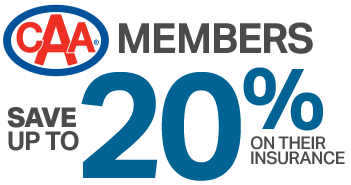
- CAA Members can SAVE up to 20% on Auto and Home Insurance
- Access to multiple insurance markets; knowing you get the best coverage at the best rate
- Confidence and security of being a member of a preferred group
- Local, fast and efficient 24/7 Claims Service
- Legal Assistance
- Health Assistance
Get Newfoundland’s best leisure vehicle protection.
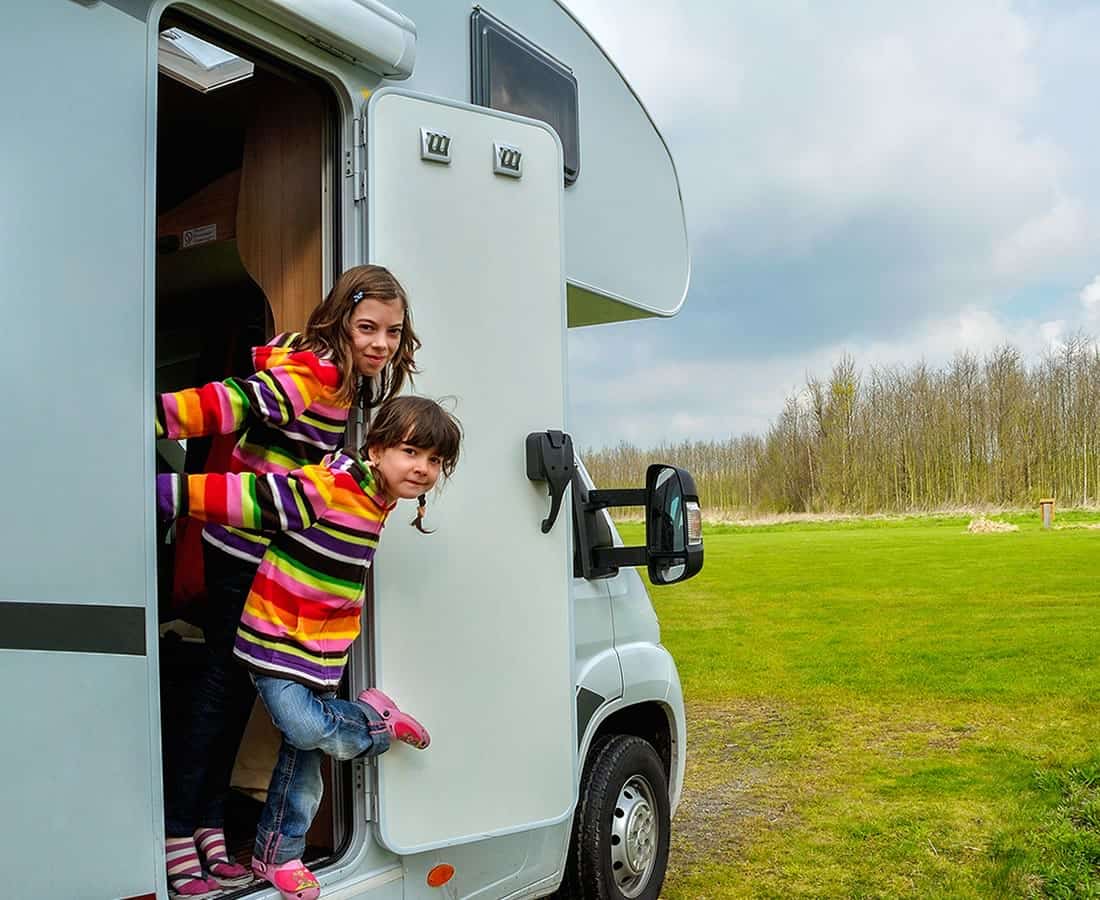
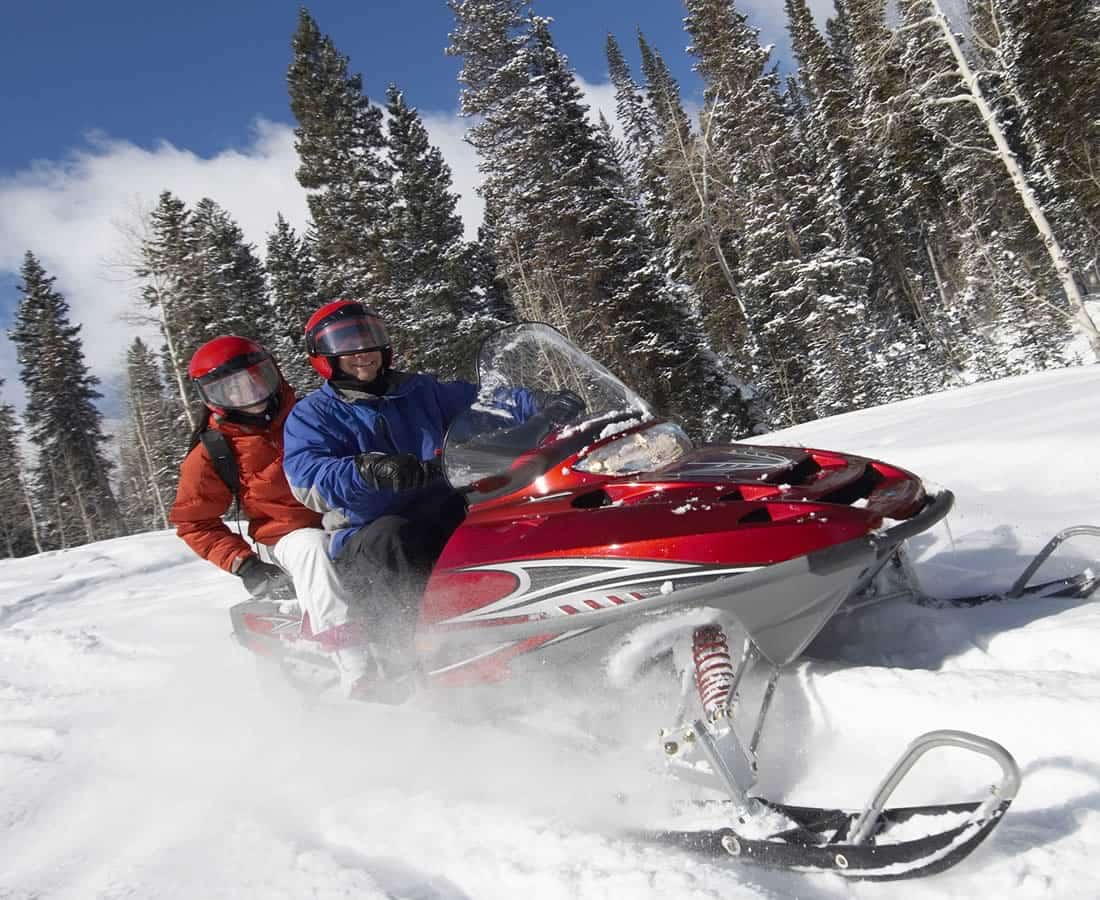
Newfoundlanders love their leisure time and their leisure vehicles. MyRide Leisure Insurance from Munn Insurance is the most competitive, comprehensive leisure vehicle insurance available in Newfoundland. Whether it’s your ATV, motorhome, motorcycle – or any of your leisure vehicles – A Munn policy offers more protection and value than any other program you’ll find.
- Boat and Watercraft
- ATV
- Snowmobile
- Classic Cars and Auto
- Motorhome, RV and Trailer
- Motorcycle




Car insurance laws in Mount Pearl
Mount Pearl drivers must be in possession of legally determined minimum insurance coverage to drive on our roads. These minimum limits have been enacted to ensure drivers are financially responsible if an at-fault accident occurs.
Current limits for auto insurance in Mount Pearl are:
- $200,000 in liability coverage per accident
- Uninsured and unidentified motorist coverage
Mount Pearl drivers are not required to carry accident benefits coverage, although most do choose to buy this coverage, which includes coverage for medical payments, disability coverage, and death benefits coverage. This type of insurance is mandatory in other provinces. Many drivers in Newfoundland also opt to increase their liability coverage to limit risk and financial exposure.
There are also other optional coverages that can be purchased. These include comprehensive and collision coverage to protect in the event of an at-fault accident or non-accident scenario such as theft.

Mount Pearl car insurance – your questions answered.


Our Latest Advice
When Do I Need a Fleet Insurance Policy?
If your business is growing from one or two work vehicles to several cars, pickups, vans or trucks, there comes a point when it may make sense to move from individually rated Commercial Auto Insurance to a fleet policy.
In Newfoundland and Labrador and Nova Scotia, a commercial fleet is commonly defined as five or more commercial or business-rated power units that meet the applicable provincial and insurer requirements.
But simply reaching five vehicles does not automatically mean every business will be insured the same way.
The vehicles need to qualify as a fleet, ownership and use matter, and insurers can have different underwriting requirements.
So when should you start talking to your broker about fleet insurance?
Usually, as you approach five business vehicles.
What is Fleet Insurance?
Fleet Insurance is a form of Commercial Auto Insurance designed to insure multiple business vehicles together.
Instead of looking at every vehicle entirely on its own, a fleet insurer can look at the vehicles and the business operation collectively.
That can include factors such as:
- The number and type of vehicles
- How the vehicles are used
- Where they operate
- Who drives them
- The business’s claims history
- The overall loss experience of the fleet
Often, qualifying fleet vehicles are assessed together rather than simply being rated individually.
For a growing business, that can make managing Commercial Auto Insurance easier and, depending on the operation and claims experience, potentially provide more favourable pricing.
How many vehicles do I need for Fleet Insurance?
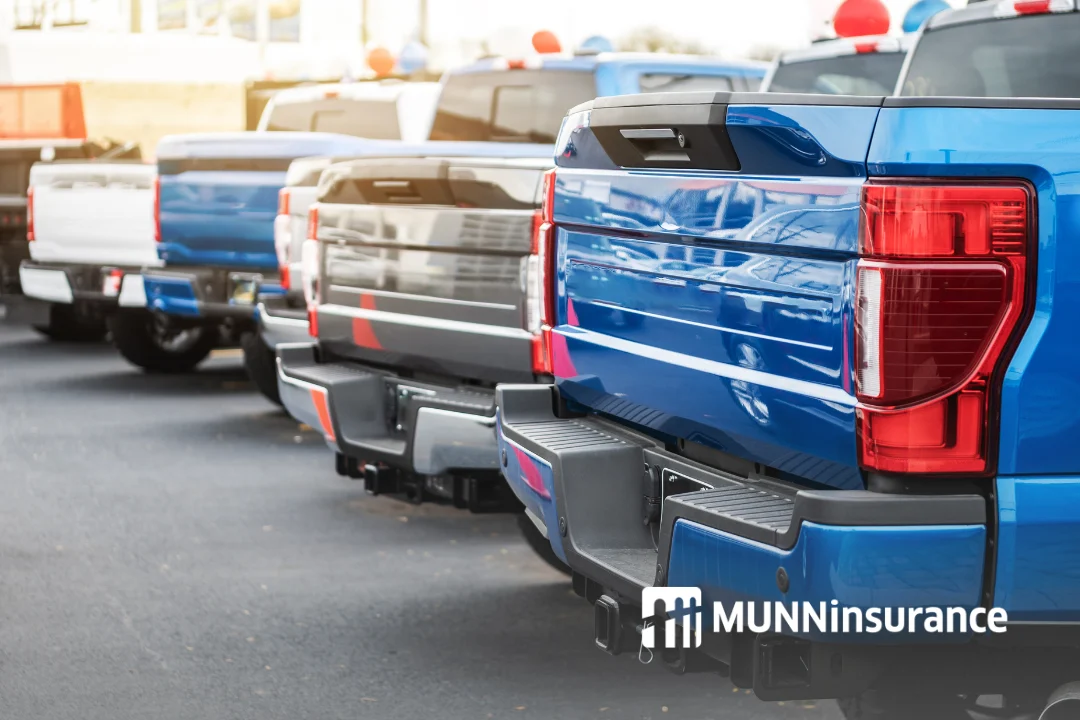
A useful rule of thumb is five qualifying vehicles.
The words “power units” are important.
A power unit is essentially a self-propelled vehicle such as a:
- Car
- Pickup
- Van
- Service vehicle
- Commercial truck
A trailer is not self-propelled, so you generally cannot count four trucks plus one trailer and assume you now have a five-vehicle fleet. Lloyd’s Canada specifically notes that a trailer being towed cannot be used to make up the five vehicles required for a fleet definition.
There can also be differences between insurers and provincial rules, so five vehicles should be viewed as the point when you should ask your broker whether you qualify, rather than assuming a fleet policy automatically applies.
What if I have fewer than five vehicles?
You can still have Commercial Auto Insurance.
A business does not need a fleet to insure vehicles commercially.
If you have one, two, three or four work vehicles, they can generally be insured as individually rated commercial vehicles.
That could include:
- A contractor with two pickups
- A plumbing company with three service vans
- A landscaping company with four trucks
- A business with two company cars and a delivery van
Each vehicle is typically rated based on factors such as the vehicle itself, its use and the drivers associated with it.
As you get closer to five vehicles, however, it makes sense to involve your broker early.
If you know another vehicle is being added soon, your broker can look at whether the addition will change the way your Commercial Auto Insurance should be structured.
Running a single work vehicle? See what one-vehicle businesses in Atlantic Canada need to know.
Does every vehicle count toward a fleet?
Not necessarily.
Simply having five vehicles associated with a business owner does not automatically make them one commercial fleet. Generally, the vehicles need to have a legitimate connection to the business and meet the applicable requirements for the fleet.
For example, a business owner in Newfoundland or Nova Scotia might have:
- Three company pickups used on job sites
- One service van
- A personal family SUV
- A motorcycle
That does not necessarily mean there are six vehicles that can all be placed together on a commercial fleet policy. Some insurers note that only vehicles and drivers over which the business can exercise appropriate control should generally be included in the commercial fleet, and unrelated personal-use vehicles may not qualify.
This is another reason it is better to talk to your broker than simply count licence plates.
Why move to a Fleet Insurance policy?
Fleet Insurance is not simply about putting several vehicles on one piece of paper. It can change the way the insurer looks at your Commercial Auto risk.
Your vehicles can be considered together
With individually rated Commercial Auto Insurance, vehicles are generally assessed separately. With Fleet Insurance, the insurer can consider the overall fleet when assessing the risk. Claims experience, vehicle usage, geography, drivers and other factors can all contribute to the overall fleet rating.
It can make administration easier
Businesses with several vehicles are constantly making changes. You may be buying new vehicles, selling older ones, replacing damaged ones, adding or removing drivers, or moving employees between vehicles. A fleet structure can make managing a growing group of vehicles more efficient — particularly for Atlantic Canadian businesses in construction, trades, or delivery where vehicle turnover is common.
It may provide pricing advantages
Fleet Insurance can sometimes offer more competitive pricing because the insurer is evaluating the vehicles as a group rather than simply rating each one independently. Aviva identifies this as one potential advantage of fleet coverage. That does not mean moving to fleet automatically guarantees a lower premium. Your claims history, drivers, vehicles, operation and overall loss experience still matter.
Does Fleet Insurance mean every vehicle costs the same to insure?
Not necessarily.
A fleet may be assessed collectively, but the makeup of the fleet still matters. Five salesperson vehicles travelling locally are very different from five heavy-duty pickups hauling equipment between job sites across Newfoundland or Cape Breton.
Insurers may consider:
- Vehicle types and values
- Business use
- Distance travelled
- Operating territory
- Driver experience
- Claims frequency and severity
- The nature of the business
Adding a substantially different type of vehicle to your fleet can also affect the insurance. Adding another light-duty service van may be relatively straightforward. Adding a heavy commercial truck used for a significantly different purpose may create a different insurance exposure.
Your drivers matter just as much as your vehicles
A fleet policy is not simply a list of trucks and vans. The people driving them are a major part of the risk.
Insurance companies can look at:
- Driver experience
- Licence status
- Driving records
- At-fault accidents
- Traffic convictions
- Who regularly operates the vehicles
As a fleet grows, driver management becomes increasingly important. That means businesses should have a process for keeping driver information current and advising their broker when drivers are added or removed. A good claims record and strong approach to driver management can become particularly important as the size of the fleet increases.
Your claims history becomes increasingly important
Once vehicles are being insured as a fleet, insurers can pay close attention to the overall claims performance of the fleet. A single accident does not tell the whole story.
Insurers may look at patterns: how often claims are happening, what types of accidents are occurring, whether the same drivers are involved repeatedly, and whether losses are becoming more severe.
That means fleet insurance should increasingly become part of your business’s broader risk-management strategy, not just an annual insurance purchase.
See our Commercial Auto Claims Guide.
When should I start thinking about Fleet Insurance?
You don’t need to wait until the day you buy your fifth vehicle.
If your business currently has three or four commercial vehicles and you expect to grow, start the conversation with your broker.
- You have three vehicles and plan to add two this year → discuss the expected fleet structure now
- You currently have four vehicles and are ordering another truck → ask your broker whether adding it makes you eligible for Fleet Insurance
- You have five or more business vehicles insured individually → it may be worth reviewing whether a fleet arrangement is more appropriate
- Your fleet has grown quickly over the past few years → even if everything is already insured, a broader review of vehicles, drivers, coverage and pricing is overdue
The best time to review your options is before you make the next vehicle purchase or before your Commercial Auto renewal, rather than waiting until after your existing policy has renewed.
Growing from five vehicles to 10, 20 or more
Fleet Insurance can continue to evolve as your business grows. A five-vehicle contractor fleet operating across Newfoundland is different from a company running 15 service vans across Nova Scotia or 50 trucks province-wide.
As the number of vehicles increases, insurers may place greater emphasis on:
- Fleet loss history
- Driver screening and training
- Vehicle maintenance programs
- Telematics
- Safety policies
- Claims management
At Munn, we work with Atlantic Canadian businesses ranging from a single work vehicle to complex fleets with upwards of 100 vehicles and drivers. The insurance strategy that worked when you owned two vehicles may not be the right strategy when you own 10 or 20.
Is Fleet Insurance always cheaper?
Not necessarily.
Fleet Insurance can create pricing advantages for some businesses, but the word fleet does not automatically mean discount. Pricing still depends heavily on the quality of the risk. A fleet with experienced drivers and a strong claims record may be viewed very differently from a similar-sized fleet with frequent accidents and poor loss experience.
The right question is not simply: “Will a fleet policy be cheaper?” It is: “What is the best way to insure our vehicles based on our current operation?” Price matters, but so do coverage, limits, deductibles, insurer appetite and the way claims are handled.
Five vehicles is a good time for a Commercial Auto review
If your business is approaching five vehicles in Newfoundland and Labrador or Nova Scotia, that is a natural point to review your Commercial Auto Insurance. Look at:
- How many qualifying vehicles you have
- Whether additional vehicles are coming
- How each vehicle is used
- Who is driving them
- Your current claims experience
- Your liability limits
- Your physical-damage coverage
- Your deductibles
- Your current premium
- Whether your existing insurer remains the right fit
Your business may have outgrown the insurance structure that worked when you had one or two vehicles.
Frequently Asked Questions about Fleet Insurance
When does a business need fleet insurance in Newfoundland and Labrador or Nova Scotia?
In NL and NS, a commercial fleet is generally defined as five or more qualifying commercial power units. Once you approach that threshold, talk to your broker about whether your vehicles qualify and how coverage should be structured.
Does a trailer count as a vehicle for fleet insurance purposes?
No. A trailer is not a self-propelled power unit and cannot be counted toward the five vehicles required for a fleet definition in Newfoundland and Nova Scotia.
Is Fleet Insurance cheaper than insuring vehicles individually?
Not automatically. Fleet Insurance can offer pricing advantages because vehicles are assessed as a group, but pricing still depends on your claims history, driver records, vehicle types, and overall loss experience.
Can I include personal vehicles in my commercial fleet policy?
Generally no. Only vehicles with a legitimate business connection that the business can exercise appropriate control over are typically included in a commercial fleet policy.
How do I know if it’s time to move to a fleet policy?
If your business has three or four commercial vehicles and expects to add more, start the conversation with your broker before the next vehicle purchase or renewal. Don’t wait until you’re already at five.
Growing your fleet? Talk to Munn.
At Munn Insurance, we work with Atlantic Canadian businesses — across Newfoundland and Labrador, Nova Scotia, New Brunswick, and Prince Edward Island — with everything from a single work vehicle to large and complex commercial fleets.
If you are approaching five business vehicles, adding more vehicles, or wondering whether you should move to a fleet policy, we can review your operation and help determine the right structure. As an independent insurance broker, Munn can compare Commercial Auto and Fleet Insurance options from multiple insurance companies and help you understand the differences in coverage, structure and cost.
Is your business ready for Fleet Insurance?
Visit munninsurance.com/business/commercial-auto-insurance/ or call 1-855-726-8627 to speak with a Munn commercial insurance specialist.
One vehicle or a growing fleet. Get the right coverage. Get the right value. Keep your business moving.
9 Ways to Lower Your Landlord Insurance Premium Without Cutting Coverage
Owning a rental property comes with plenty of expenses. Mortgage [...]
What to Do After an Accident in a Company Vehicle: A Commercial Auto Claims Guide
An accident involving a company vehicle can create a lot [...]
Employees Use their Personal Vehicles for Work? What Every Business Owner Needs to Know
Using a personal vehicle for work is common. A business [...]