Protecting Your Tools: What Contractors in Atlantic Canada Need to Know About Tool Floater Coverage
For contractors across Atlantic Canada, tools aren’t just equipment — they’re your livelihood.
From residential renovations to light commercial builds, your projects depend on having the right tools on site, on time, and in working order. But in our region, those tools are regularly exposed to theft, harsh weather, and remote job site conditions.
Many builds take place in rural or coastal areas where replacing stolen or damaged tools isn’t always quick or simple. Add seasonal construction schedules into the mix, and even a short delay can disrupt cash flow and client timelines.
That’s why having the right tool floater limit matters.
When the Limit Is Too Low
We’ve seen situations where a construction company had tools stolen from a job site, only to discover their tool floater limit didn’t reflect the true replacement value of what they owned.
Insurance responded — but only up to the policy limit.
The remaining cost had to be paid out of pocket.
For a small or mid-sized contractor, that can mean:
- Financial strain
- Delayed projects
- Difficulty meeting deadlines
- Pressure on operating cash
It’s not just about replacing tools. It’s about protecting business continuity.
Why Tool Floater Limits Matter in Atlantic Canada
Contractors in Atlantic Canada face unique exposures:
- Rural job sites with limited security
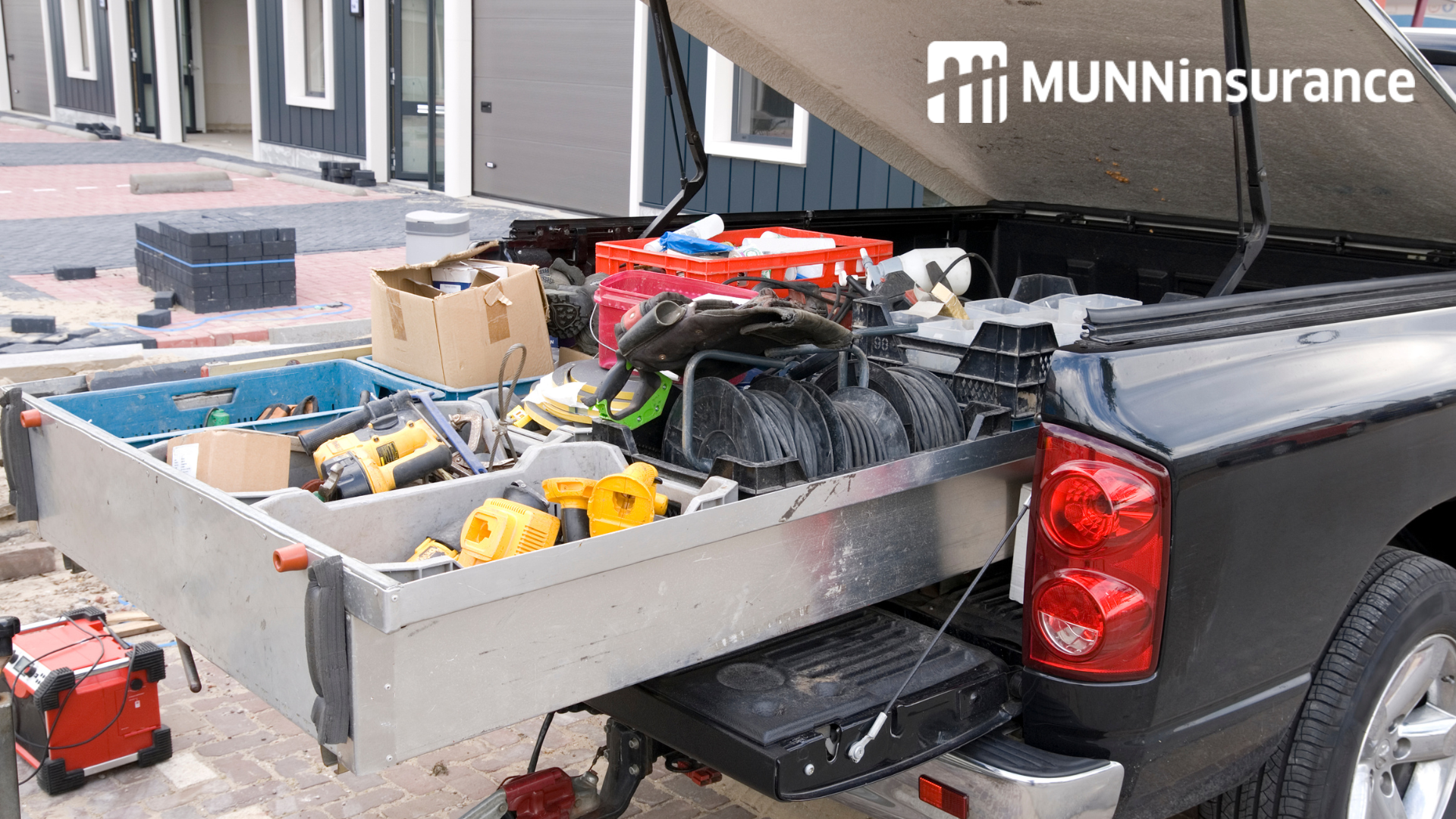
- Overnight storage in trucks
- Coastal weather conditions
- Seasonal construction windows
If tools are stolen or damaged, replacement isn’t just an expense — it can shut down work entirely.
Adequate tool floater coverage ensures you can replace equipment quickly, meet contract requirements, and maintain your reputation in a close-knit regional market.
How to Make Sure Your Coverage Is Enough
Many contractors underestimate the total value of their tools. Coverage should reflect current replacement cost — not what you paid years ago.
Here are practical steps to protect your business:
- Take a complete inventory of all tools and equipment. This should include hand tools, power tools, and small machinery. Document their current replacement cost.
- Set your coverage limit based on the maximum value of tools that could be in one location or vehicle at any given time.
- Update your coverage regularly. As new tools are purchased or costs increase, your policy should reflect those changes.
- Consider whether your operations involve higher-risk situations, such as remote sites or overnight storage in vehicles.
- Review your coverage with your insurance broker to ensure limits meet contract requirements and avoid co-insurance penalties.
A properly structured tool floater policy can prevent partial claim payments and unexpected out-of-pocket expenses.
Protecting Your Business, Not Just Your Tools
For small and mid-sized contractors, one uninsured loss can create ripple effects across multiple projects.
At Munn Insurance, we work with contractors across Atlantic Canada and understand the realities of local construction — rural job sites, seasonal schedules, and tight margins. Our team provides practical advice and responsive service to help ensure your tool coverage reflects the true value of your equipment.
If you’re unsure whether your tool floater limit is adequate, it may be time for a review.
A short conversation now can help prevent costly delays later.
Related News



Recent News

How Much Does Landlord Insurance Cost in Newfoundland and Labrador and Nova Scotia?
If you own a rental property, or are thinking about buying one, there is a good chance you have wondered: How much does landlord insurance cost? The short answer is that there is no single [...]
Are You Paying Too Much for Commercial Auto Insurance? 7 Ways to Help Lower Your Cost
Commercial Auto Insurance is an important cost of doing business if you rely on cars, pickups, vans or trucks to keep your operation moving. But that doesn’t mean you should simply accept whatever premium appears [...]

Fall Checklist for Landlords in Newfoundland and Labrador and Nova Scotia
Fall is one of the best times for landlords to take a close look at their rental properties. The temperatures are dropping, winter weather is coming, and small maintenance issues that are manageable in September [...]