Save on car insurance in Dartmouth.
Save on car insurance in Dartmouth.
We’re one of Dartmouth’s largest independent brokers. We specialize in auto insurance. With a simple online quote or a quick call, you will get quotes from up to eight insurance companies. And with savings of up to 30%, you’ll be on the road with Dartmouth’s best auto protection and benefits. That’s a promise.
Dartmouth, just a skip away.

Dartmouth amalgamated with Halifax in 1996, making it a part of the greater Halifax area. But it still has a vibe all its own. With its own identity, you cross the bridge into a community where you can walk along the waterfront and take in the amazing view of Halifax from across the water. It’s an adventure to experience. Your insurance can be as unique as your route and your world. At Munn Insurance you can find the most competitive auto insurance in Dartmouth and save while you’re doing it.
Driving in Dartmouth – Tips to keep you on the road.
KEEP YOUR HANDS ON THE WHEEL.
New regulations in Nova Scotia have changed from it just being illegal to text or use your phone while driving to cover all hand-held communication/entertainment devices, or any other prescribed electronic device. This also includes using the GPS. Plan everything before you put the car in drive. It will take about two years from passage before all new regulations and the new law are in place, but practice makes perfect. Start your good driving habits now.
HELP KEEP WORKERS SAFE.
When an emergency vehicle pulled over with its lights flashing, the law is motorists must slow down to 60 km/h or obey the speed limit if it’s lower than 60 km/h. If the road has two or more lanes in one direction, motorists must also move into another lane farther away from the stopped vehicle if it can be done safely. A motorist must obey these laws for ambulances, police vehicles, fire department vehicles, Department of Lands and Forestry fire vehicles, fire chiefs’ or deputy fire chiefs’ vehicles, conservation officers’ vehicles, motor vehicle and carrier inspectors’ vehicles, public safety vehicles such as sheriffs and bridge patrol officers, and tow trucks that are stopped at the scene of a fire or collision or assisting a vehicle. A fine can be as high as $350 for a first offence, with the potential to go higher.
CHECK YOUR VEHICLE.
Always keep your car well maintained. Make sure your tires are properly inflated, and your fluids are all at proper levels. Maintain a consistent check that your vehicle’s equipment is functioning properly. Also, seasons change abruptly in the Maritimes. Always be ready for autumn to suddenly become winter.
GIVE PEDESTRIANS A HEAD START.
In developments from Fall 2019, the Halifax Regional Municipality and the Provincial Government made strides in protecting pedestrians and motorists. Statistics revealed in the first eight months of 2018 there were 120 vehicle-pedestrian collisions in the municipality with 61% of them happening in a crosswalk. To improve safety, Halifax has installed what is referred to as “advanced pedestrian lights” at six high-pedestrian traffic intersections in the City, five in Halifax and one in Dartmouth. A green pedestrian “walking man” signal comes on for several seconds before the traffic light turns green. In this way, pedestrians are given a head start to proceed forward into the crosswalk and be seen.
A few facts about car insurance in Dartmouth.
- The average age of auto insurance policyholder in Dartmouth is 36
- The average age of drivers in Dartmouth is 49
- The number of accident claims in Dartmouth in 2018 was 5100
- The top automotive brands we insure in Dartmouth are
- 81% of people in Dartmouth drive Cars
- 19% of people in Dartmouth drive Trucks

Facts and myths about Dartmouth.
FACTS
Dartmouth amalgamated with Halifax on April 1, 1996.
Dartmouth has been nicknamed the City of Lakes, after the large number of lakes located within its boundaries.
The community is linked to Halifax by the oldest continuously operating salt water ferry service in North America with the first crossing having taken place in 1752.
Dartmouth was initially a sawmill and agricultural outpost of Halifax. In the mid 19th century, it grew with the construction of the Shubenacadie Canal and more importantly, with the rise of successful industrial firms such as the Dartmouth Marine Slips, the Starr Manufacturing Company, and the Stairs Ropeworks.
MYTHS
Amalgamation didn’t happen until 1996. Before that it wasn’t officially a region of the City of Halifax.
There is a ferry service that connects Halifax to Dartmouth. The MacKay Bridge was built in 1970 and connects both areas as well as the McDonald bridge. Thousands commute back and forth each day, as well as use the metro service.
There is a bus service with a fleet on 322 conventional buses, all of which are low floor and wheelchair accessible.
Dartmouth is home to a long list of K-12 schools, with both English and French programs. It is also home to post-secondary campuses, such as the Nova Scotia Community College Dartmouth campus.
We do the shopping. You get the savings.
Nova Scotians love choice. And they love saving too! At Munn Insurance, we deliver on both. As an independent insurance broker, we shop our extensive network of insurance partners to provide our Nova Scotia customers with the best coverage at the best rate. Some of the insurance companies we search for our customers include:

How Munn Insurance saves you money.
We work for you – that’s what an insurance broker does. We shop the market on your behalf, so Munn insurance can offer you the most access to the best discounts from our insurance partners.
- Bundling (Auto + Home Discount)
- Multiple Vehicle Discounts
- Experienced Drivers Discount
- Safe Drivers Discount
- Claims-Free Discount
- Loyalty Discount
- And Many More

Combine your home and car policies and save.
With Munn Insurance, home and auto policies are better together. It means extra savings and additional coverage. So combine them both and receive a discount on both. That’s like a double discount!
Combining also gives you the extra convenience of aligned renewal rates and less paperwork.
You can combine your auto policy with any Munn Insurance home policy for the following dwelling types:
- Private Homes
- Condos
- Tenants
- Cabins/Cottages
- Rented Dwellings

Special discounts and savings with a Munn Insurance group policy.
We recognize the value groups provide to Dartmouth. First Responders, Health Care Professionals, Alumni Associations, Educators and Instructors all play a vital role in helping others across Nova Scotia. They give so much, and we’re happy to give back. Munn Insurance Preferred Groups in Nova Scotia are able to take advantage of special discounts and many extra-valuable benefits.
- Special Group Discounts
- Mortgage & Real Estate Assistance
- 0% Insurance Financing
- Home Repair Assistance
- Legal Assistance
- Health Assistance




Get Dartmouth’s best leisure vehicle protection.
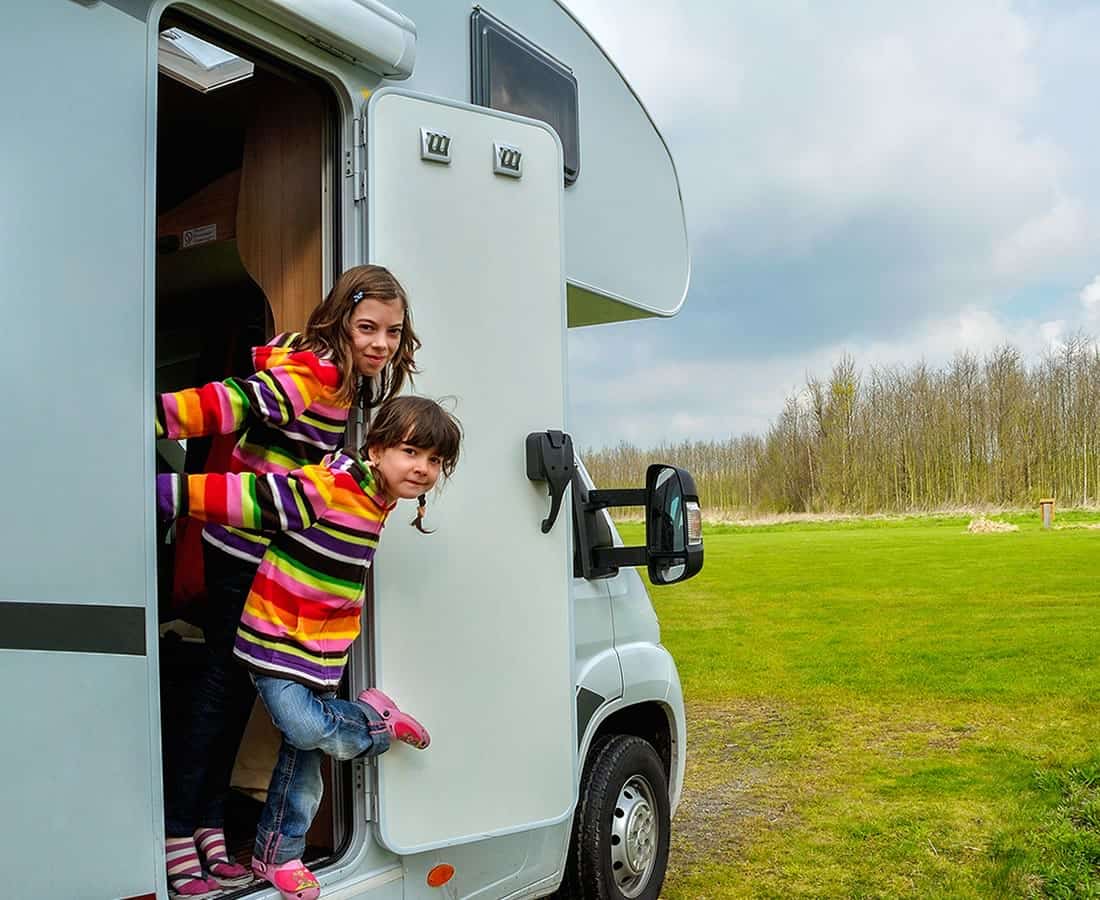
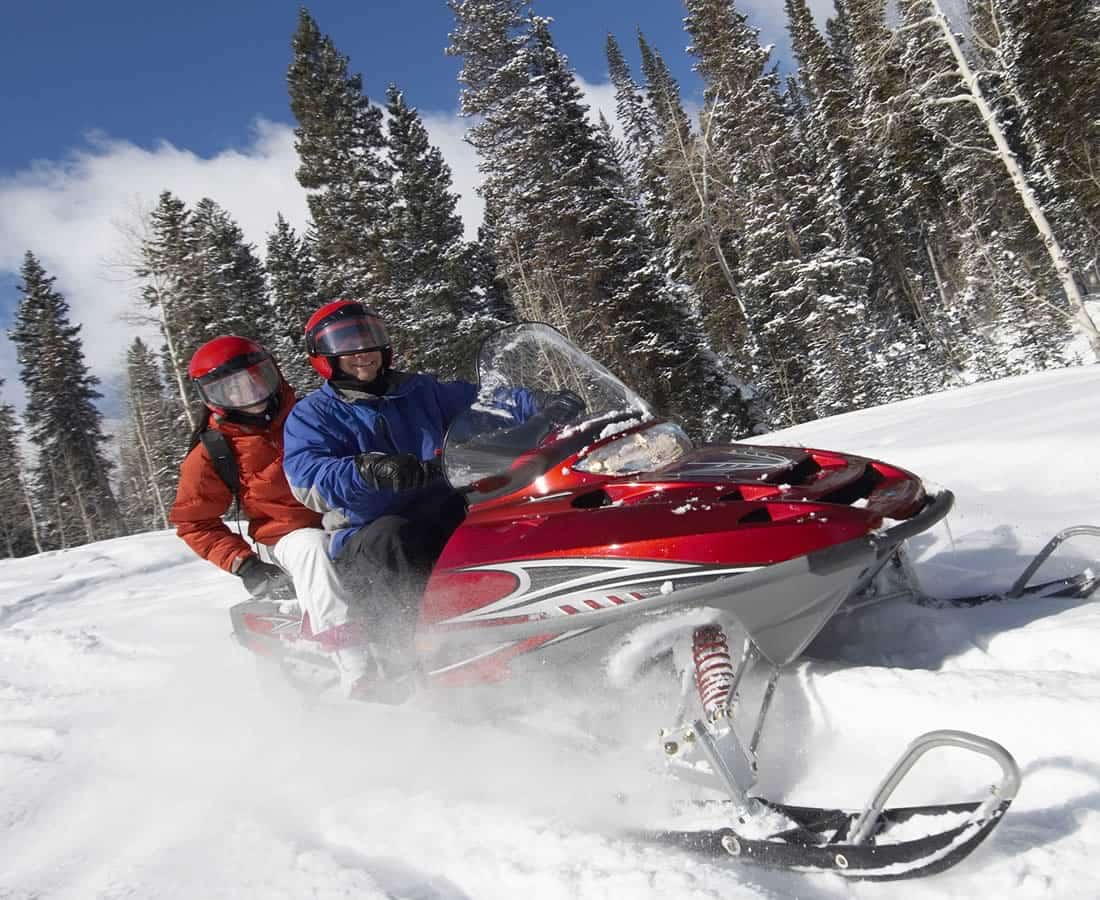
Nova Scotians love their leisure time and their leisure vehicles. MyRide Leisure Insurance from Munn Insurance is the most competitive, comprehensive leisure vehicle insurance available in Nova Scotia. Whether it’s your ATV, motorhome, motorcycle – or any of your leisure vehicles – A Munn policy offers more protection and value than any other program you’ll find.
- Boat and Watercraft
- ATV
- Snowmobile
- Classic Cars and Auto
- Motorhome, RV and Trailer
- Motorcycle




Car insurance laws in Dartmouth
It is mandatory to have auto insurance for all vehicles in Dartmouth. The province has enacted “financial responsibility laws” to ensure drivers are accountable for the financial consequences of their actions while on our roads.
Current limits for auto insurance in Dartmouth are:
- $500,000 liability coverage
- $50,000 medical payments coverage
- $2,500 funeral benefits
- Disability income/death benefits for persons injured or killed in an auto accident
- Uninsured and unidentified driver insurance
Nova Scotia has a no-fault-based insurance system. This means drivers can file claims with their own insurance company, regardless of who is at fault for the accident. In addition, the province does not take age or marital status into account when determining risk.

Dartmouth car insurance – your questions answered.
Our Latest Advice
Commercial Auto Insurance Isn’t Just for Fleets: What One-Vehicle Businesses Need to Know
Whether you have one work vehicle or a fleet of vehicles, you need Commercial Auto Insurance to make sure vehicles used for business purposes are properly protected.
Commercial Auto Insurance is not just for trucking companies, delivery businesses or companies with large fleets. A plumber with one van, a contractor with one pickup, a landscaper with one truck or a business with a single company car can have many of the same Commercial Auto insurance needs as a company operating multiple vehicles.
What matters is not simply how many vehicles you have.
What matters is how those vehicles are used, who drives them and the role they play in your business.
A work vehicle may carry tools and materials, travel between job sites, make deliveries, visit customers, tow equipment or perform other tasks that are an important part of your day-to-day operation.
And for a small business with only one vehicle, having the right insurance can be particularly important. If that vehicle is damaged, stolen or suddenly off the road, you may not have another vehicle available to take its place.
In this article, we’ll look at why Commercial Auto Insurance matters even if you have only one work vehicle, what coverage you should consider and some of the questions to ask when insuring it.
You don’t need a fleet to need Commercial Auto Insurance

One of the most common misconceptions about Commercial Auto Insurance is that it is only for larger businesses with fleets of trucks or vans.
It isn’t.
A single vehicle used for business purposes can be insured under a Commercial Auto policy. As your business grows and you add vehicles, the way the insurance is structured may eventually change, including the possibility of fleet coverage.
But you do not have to wait until you have five, 10 or 20 vehicles before Commercial Auto Insurance becomes important.
One work vehicle is enough.
How do you use your work vehicle?
When it comes to Commercial Auto Insurance, how the vehicle is used is one of the most important considerations.
A pickup that is driven to the office each morning is being used differently from a pickup that spends the day travelling between construction sites, hauling materials and towing a trailer.
A car used mainly for personal driving is different from a company car that spends every day visiting customers.
And a van carrying thousands of dollars worth of tools and equipment presents different risks from a vehicle that simply transports an employee from one location to another.
Your vehicle may have a commercial insurance need if it is regularly used to:
- Carry tools, equipment or materials
- Travel between job sites
- Make deliveries
- Transport goods or merchandise
- Visit customers or clients
- Tow work trailers or equipment
- Perform service calls
- Transport passengers as part of the business
- Support other regular business activities
The make and model of the vehicle alone does not tell the whole story.
What you do with it does.
What are some examples of one-vehicle businesses?
There are thousands of businesses across Newfoundland and Labrador and Nova Scotia that depend on one vehicle every day.
Consider a few examples.
A contractor in St. John’s or Dartmouth with one pickup
The truck may travel between job sites, carry tools and building materials and tow a trailer.
That is an important business asset, even though there is only one vehicle.
A plumber or electrician with one service van
The van may be both transportation and a mobile workshop, carrying tools, parts and equipment needed for every call.
If the van is unavailable, the business may have difficulty operating.
A landscaper with one truck
The truck may haul equipment, tow a utility trailer and travel between customer properties throughout the day — whether that’s across HRM or the Avalon Peninsula.
A salesperson with one company car
The vehicle may spend thousands of kilometres a year travelling to customer meetings and business appointments across NL or NS.
A small delivery business with one van
One vehicle may make every delivery the business depends on.
In each example, the business may have only one vehicle.
But that vehicle is clearly doing work for the business.
What if I personally own the vehicle?
This is where business owners sometimes get confused.
You may personally own the pickup, car or van you use for your business.
But ownership is only one factor.
How you use the vehicle matters too.
Driving to and from your regular workplace is different from regularly using the same vehicle to make deliveries, carry tools, visit customers, haul materials or travel between job sites.
Depending on the type and frequency of business use, your personal auto coverage may need to be adjusted or Commercial Auto Insurance may be more appropriate.
The important thing is to make sure your broker and insurer understand exactly how the vehicle is being used.
Don’t assume that because the vehicle is personally owned or registered, its business use does not matter.
Tell Munn how you use your vehicle and we can help determine what type of coverage is appropriate.
What if the business owns the vehicle?
If the vehicle is owned or registered by the business and used as part of its operations, Commercial Auto Insurance will generally be part of the insurance discussion.
That can include:
- A corporation-owned pickup
- A company service van
- A delivery vehicle
- A company car used by employees
- A truck used to carry tools or materials
Your insurer will still want to understand how the vehicle is used and who drives it.
A single company vehicle can create many of the same insurance exposures as one vehicle within a much larger fleet.
What coverage does one work vehicle need?
A business with one vehicle can have many of the same Commercial Auto coverages available to a company with several vehicles.
Depending on the province and policy, Commercial Auto Insurance can include required automobile coverages such as:
- Third-Party Liability
- Accident Benefits
- Uninsured Automobile Coverage
- Direct Compensation Property Damage, where applicable
You can also choose optional physical-damage protection such as:
- Collision
- Comprehensive
- All Perils
- Other endorsements and additional coverages
The right combination depends on the vehicle, how you use it and the amount of risk your business is prepared to assume.
Liability matters even when you only have one vehicle
Having fewer vehicles does not make an accident less serious.
Suppose an employee driving your only company van causes an accident that injures another person and damages another vehicle.
That one accident could potentially result in significant financial liability.
Third-Party Liability coverage can help protect the business against covered claims for injuries or property damage for which the insured driver or business is legally responsible, up to the policy limit.
Businesses can also face contractual insurance requirements.
A customer, general contractor, landlord or other organization may require you to carry a particular amount of automobile liability coverage before you can work for them. This is common across trades and construction work throughout Newfoundland and Labrador and Nova Scotia.
That means your liability limit should reflect the risks and requirements of your business — not simply the number of vehicles you own.
Protecting your own work vehicle matters too
Liability coverage protects you against certain claims made by other people.
But what about damage to your own vehicle?
Optional physical-damage protection such as Collision, Comprehensive or All Perils can help protect the vehicle itself against different types of covered loss.
That decision can be particularly important if the vehicle is newer, financed, leased or expensive to replace.
But there is another question for a small business:
How easily could you absorb the cost if your only work vehicle were badly damaged or stolen?
For many businesses, replacing a $50,000, $60,000 or $70,000 work truck would be a significant expense.
The fact that there is only one vehicle does not make protecting it less important.
It may make it more important.
What happens if your only vehicle is off the road?
This is one of the biggest issues for a one-vehicle business.
Imagine your only service van is involved in an accident on Monday.
It will be in the repair shop for three weeks.
You still have customers booked.
You still have employees who need to get to jobs.
You still need to carry tools and materials.
You still have a business to run.
If you operate 20 vehicles, you may be able to move things around.
If you operate one, you may have nothing else available.
Depending on your policy, coverage may be available to help with the cost of a temporary replacement or rental vehicle after a covered loss.
That can be a particularly important option for a business that depends on one vehicle every day — especially in areas of Newfoundland and Labrador or Nova Scotia where rental vehicles may not be immediately available.
Ask yourself before an accident happens: if this vehicle were unavailable tomorrow, how would I keep working?
What about the tools and equipment inside the vehicle?
For many one-vehicle businesses, the vehicle is only part of what is at risk.
A tradesperson may have a work van containing thousands of dollars worth of:
- Power tools
- Hand tools
- Testing equipment
- Parts and supplies
- Specialized equipment
Commercial Auto Insurance primarily protects the automobile itself.
It does not necessarily mean everything inside the vehicle is automatically insured.
Tools, equipment, inventory and other business property may require Commercial Property Insurance, an equipment floater or another type of business insurance.
So if your work vehicle is effectively a mobile workshop, make sure you are thinking about the contents as well as the vehicle.
What if I tow a trailer?
Many businesses with only one work vehicle also depend on a trailer.
A landscaper may tow mowers and equipment.
A contractor may haul tools and building materials.
A trades business may use an enclosed trailer as mobile storage.
That creates additional insurance considerations.
You may need to think about:
- The vehicle doing the towing
- The trailer itself
- The tools, equipment or materials being carried
Don’t assume everything is automatically covered simply because the truck has Commercial Auto Insurance.
Tell Munn what you tow and what you carry so we can help make sure the different pieces are properly considered.
Who drives your one work vehicle matters too
Even if there is only one vehicle, there may be several people who drive it.
Insurance companies may need information about employees who regularly operate company vehicles, including their:
- Licence status
- Driving experience
- Driving record
- Regular vehicle use
The people driving your vehicle can affect both eligibility and premium.
If you hire someone new who will regularly drive the vehicle, or the primary driver changes, let your broker know.
The policy should continue to reflect who is actually behind the wheel.
How much does Commercial Auto Insurance cost for one vehicle?
There is no standard price for insuring one commercial vehicle.
The number of vehicles is only one part of the calculation.
The cost can depend on factors such as:
- The type of vehicle
- The value of the vehicle
- How it is used
- Who drives it
- Driving records
- Where the vehicle operates
- How far it travels
- What it carries or tows
- Claims history
- Liability limits
- Physical-damage coverage
- Deductibles
A car used for customer visits in Halifax may be very different to insure from a heavy-duty pickup hauling equipment between construction sites in rural Newfoundland every day.
Both businesses may have one vehicle, but the risks are very different.
Can my insurance grow as my business grows?
Absolutely.
You may start your business with one pickup.
A year later, you add a service van.
Then you hire another employee and add a second truck.
Your Commercial Auto Insurance can change along with your business.
As the number and types of vehicles increase, your broker can review how the coverage should be structured. At some point, depending on the number of vehicles and insurer requirements, a fleet policy may become appropriate.
The key is to keep your broker informed as things change.
Don’t wait until renewal to mention a new vehicle, driver or significant change in how your vehicles are being used.
One vehicle can be a big part of your business
For a small business, there is nothing small about the importance of one work vehicle.
It may:
- Get you to every customer
- Carry the tools you need to earn a living
- Deliver the products you sell
- Tow the equipment you need to work
- Keep an employee productive
- Support a significant part of your revenue
If that vehicle is essential to your operation, getting the insurance right is important.
Commercial Auto Insurance is not something you only need once your business grows into a fleet.
One work vehicle may be all it takes.
Have one work vehicle? Talk to Munn.
At Munn Insurance, we work with businesses across Newfoundland and Labrador and Nova Scotia that have everything from one work vehicle to larger commercial fleets.
We take the time to understand your vehicle, who drives it and how you use it. As an independent insurance broker, we can compare Commercial Auto Insurance options from multiple insurance companies and help you find the right combination of coverage and value.
Already have insurance on your work vehicle? Munn can review your existing policy and help make sure it still fits the way your business operates today.
Ready to review your Commercial Auto Insurance?
Visit: munninsurance.com/business or call 1-855-726-8627 to speak with a Munn commercial insurance specialist.
One vehicle or a whole fleet. Get the right coverage. Get the right value. Keep your business moving.
Does Landlord Insurance Cover Damage Caused by Tenants?
You walk into your rental property after a tenant moves [...]
When Do I Need a Fleet Insurance Policy?
If your business is growing from one or two work [...]
9 Ways to Lower Your Landlord Insurance Premium Without Cutting Coverage
Owning a rental property comes with plenty of expenses. Mortgage [...]