Save on car insurance in Halifax.
We’re one of Halifax’s largest independent brokers. We specialize in auto insurance. With a simple online quote or a quick call, you will get quotes from up to eight insurance companies. And with savings of up to 30%, you’ll be on the road with Halifax’s best auto protection and benefits. That’s a promise.
Halifax is an urban coastal city where people want to be.
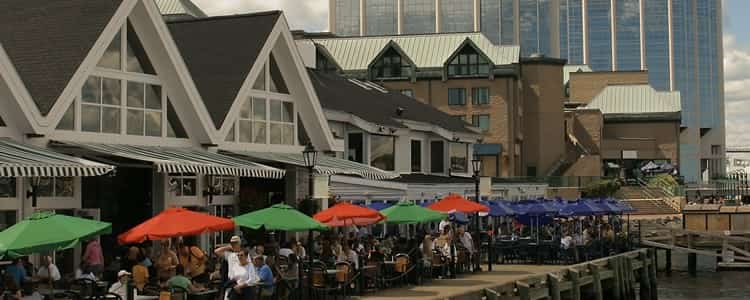
With sandy beaches and beautiful gardens around one corner, you can turn and find yourself in front of the symphony, art galleries and museums. Being the largest urban area in Atlantic Canada, it sits in the center of Nova Scotia’s east coast, with a seaport that looks out over one of the world’s largest natural harbours. Halifax is comprised of nine distinct regions that span from picturesque Peggy’s Cove Coastal Region to bustling Downtown Halifax. Driving through Halifax changes from district to district, and you need insurance that can match all the regions you’re going to visit. At Munn Insurance you can find the most competitive auto insurance in Halifax and save while you’re doing it.
Driving in Halifax – Tips to keep you on the road.
HELP KEEP WORKERS SAFE.
When an emergency vehicle pulled over with its lights flashing, the law is motorists must slow down to 60 km/h or obey the speed limit if it’s lower than 60 km/h. If the road has two or more lanes in one direction, motorists must also move into another lane farther away from the stopped vehicle if it can be done safely. A motorist must obey these laws for ambulances, police vehicles, fire department vehicles, Department of Lands and Forestry fire vehicles, fire chiefs’ or deputy fire chiefs’ vehicles, conservation officers’ vehicles, motor vehicle and carrier inspectors’ vehicles, public safety vehicles such as sheriffs and bridge patrol officers, and tow trucks that are stopped at the scene of a fire or collision or assisting a vehicle. A fine can be as high as $350 for a first offence, with the potential to go higher.
SLOW DOWN IN SCHOOL AREAS.
The speed limit is 30 km/h in areas where the approaching limit is 50 km/h, when children are present. Where the speed limit is higher than 50 km/h, drivers continue to be required to reduce speed to a maximum of 50 km/h when children are present. Fines range from $340 to $685 with penalty points ranging from 2 to 4.
DON’T DRINK AND DRIVE.
Nova Scotia has strict driving under the influence laws. Convicted impaired drivers with a blood-alcohol level of more than .08 receive a criminal record, lose their licence for one year and will face a minimum fine of $1000. They also have to complete an addictions program and may also have to participate in Alcohol Ignition Interlock Program. If a convicted impaired driver had a child in the car at the time, they face increased penalties, including losing their licence for at least two years and must participate in the Alcohol Ignition Interlock Program, for at least one year, at their expense.
PUT THE PHONE AWAY.
Nova Scotia has some of the strongest fines for handheld phone use and texting. Currently, fines range from $233.95 for a first offence to $578.95 for a third offence with the addition of four demerit points on conviction. Handheld phones are only allowed in emergency situations.

A few facts about car insurance in Halifax.
- The average age of auto insurance policyholder in Halifax is 32
- The average age of drivers in Halifax is 46
- The number of accident claims in Halifax in 2018 was 7100
- The top automotive brands we insure in Halifax are Honda, Dodge, Mazda, Volkswagen, Ford, Toyota, Chevrolet
- 82% of people in Halifax drive Cars
- 18% of people in Halifax drive Trucks

Facts and myths about Halifax.
FACTS
Halifax experienced the greatest man-made explosion prior to the atomic bomb – the Halifax Explosion on December 6, 1917.
The Halifax Harbour is one of the deepest and largest natural, ice-free harbours in the world.
Canada’s first covered skating rink was opened in the Halifax Public Gardens in 1883.
Downtown Halifax’s waterfront boardwalk hugs the harbour for 10 city blocks from Pier 21 at the Halifax Seaport to Casino Nova Scotia.
MYTHS
While being a coastal city that is associated with mild weather, it can be counted on that Halifax will receive its fair share of large snowstorms every year.
During a geological study of the harbour, seismic reflection systems surveyed the area and showed no evidence of any tunnel existing.
An interpretation of all the survey information indicates that there is no crater formed by the explosion.
Actually, Halifax is also connected to VIA Rail that runs to Western Canada and parts of the U.S. A trip from Halifax to Montreal happens in less than a day.
We do the shopping. You get the savings.
Nova Scotians love choice. And they love saving too! At Munn Insurance, we deliver on both. As an independent insurance broker, we shop our extensive network of insurance partners to provide our Nova Scotia customers with the best coverage at the best rate. Some of the insurance companies we search for our customers include:

How Munn Insurance saves you money.
We work for you – that’s what an insurance broker does. We shop the market on your behalf, so Munn insurance can offer you the most access to the best discounts from our insurance partners.
- Bundling (Auto + Home Discount)
- Multiple Vehicle Discounts
- Experienced Drivers Discount
- Safe Drivers Discount
- Claims-Free Discount
- Loyalty Discount
- And Many More

Combine your home and car policies and save.
With Munn Insurance, home and auto policies are better together. It means extra savings and additional coverage. So combine them both and receive a discount on both. That’s like a double discount!
Combining also gives you the extra convenience of aligned renewal rates and less paperwork.
You can combine your auto policy with any Munn Insurance home policy for the following dwelling types:
- Private Homes
- Condos
- Tenants
- Cabins/Cottages
- Rented Dwellings

Special discounts and savings with a Munn Insurance group policy.
We recognize the value groups provide to Halifax. First Responders, Health Care Professionals, Alumni Associations, Educators and Instructors all play a vital role in helping others across Nova Scotia. They give so much, and we’re happy to give back. Munn Insurance Preferred Groups in Nova Scotia are able to take advantage of special discounts and many extra-valuable benefits.
- Special Group Discounts
- Mortgage & Real Estate Assistance
- 0% Insurance Financing
- Home Repair Assistance
- Legal Assistance
- Health Assistance






Get Halifax’s best leisure vehicle protection.
Nova Scotians love their leisure time and their leisure vehicles. MyRide Leisure Insurance from Munn Insurance is the most competitive, comprehensive leisure vehicle insurance available in Nova Scotia. Whether it’s your ATV, motorhome, motorcycle – or any of your leisure vehicles – A Munn policy offers more protection and value than any other program you’ll find.
- Boat and Watercraft
- ATV
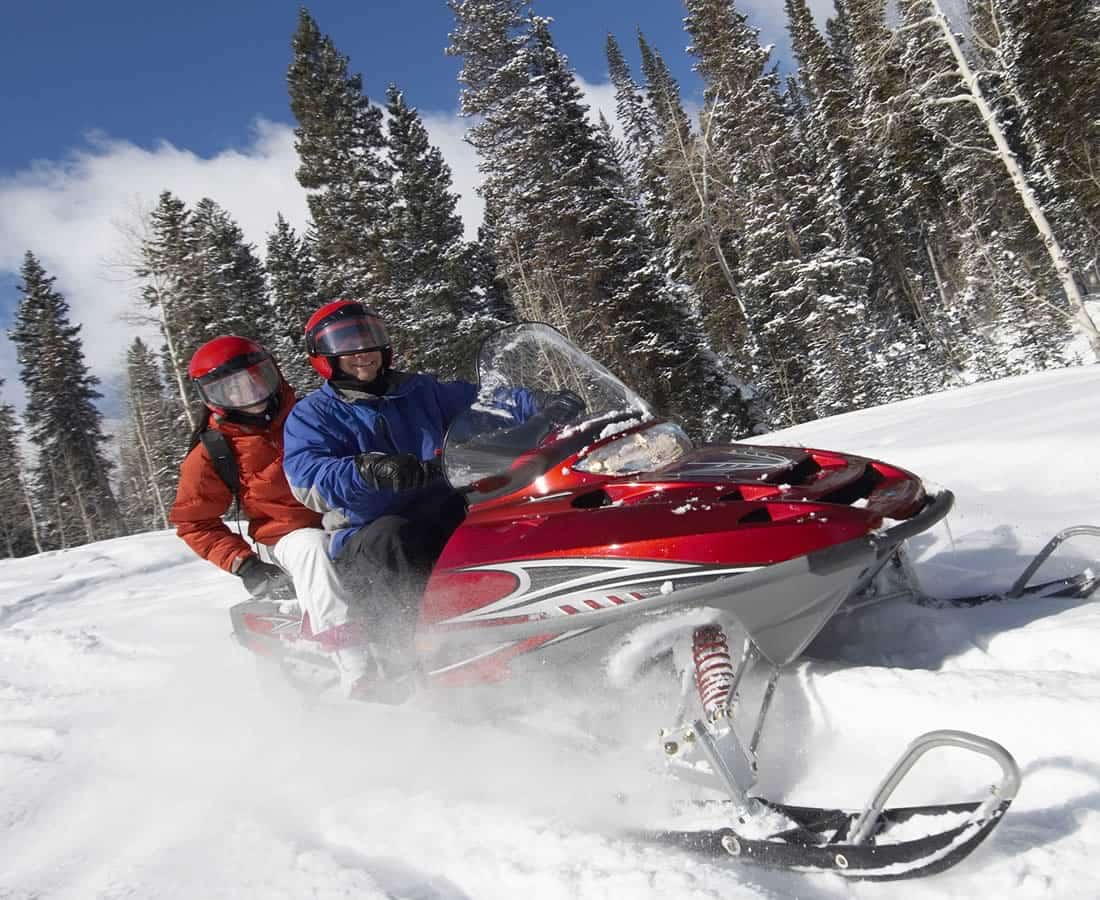
- Snowmobile
- Classic Cars and Auto
- Motorhome, RV and Trailer
- Motorcycle





Car insurance laws in Halifax
It is mandatory to have auto insurance for all vehicles in Halifax. The province has enacted “financial responsibility laws” to ensure drivers are accountable for the financial consequences of their actions while on our roads.
Current limits for auto insurance in Halifax are:
- $500,000 liability coverage
- $50,000 medical payments coverage
- $2,500 funeral benefits
- Disability income/death benefits for persons injured or killed in an auto accident
- Uninsured and unidentified driver insurance
Nova Scotia has a no-fault based insurance system. Drivers can file claims with their own insurance company, regardless of who is at fault for the accident. Also, the province does not take age or marital status into account when determining risk.

Halifax car insurance – your questions answered.


Our Latest Advice
Protecting Your Small Business During Busy Seasons
Busy seasons can be exciting and a little hectic for small business owners. More customers, longer hours, seasonal events, increased inventory, and stronger sales can all create opportunities for growth.
But when business picks up, risk often increases too.
For many businesses in Atlantic Canada, including Newfoundland and Labrador and Nova Scotia, peak periods can look different depending on the industry. For some, summer brings tourism, festivals, outdoor patios, and increased foot traffic. For others, the busy season may be tied to holidays, construction schedules, fishing and marine activity, retail promotions, or weather-dependent work.
Whatever your peak season looks like, it is a good time to review your risks, update your procedures, and make sure your commercial insurance still fits the way your business is operating.
At Munn Insurance, we help small business owners understand how seasonal changes can affect their coverage and overall risk.
When business gets busier, exposures can change
A business that is operating at full speed often looks different from the same business during a slower period. You may be carrying more inventory, serving more customers, hiring temporary staff, hosting events, extending hours, using outdoor spaces, or relying more heavily on suppliers and delivery schedules.
These changes can affect your insurance needs and your day-to-day risk management.
Common busy-season risks include:
- Theft, shoplifting, or break-ins
- Cyber fraud, phishing, or payment-related scams
- Customer injuries or slip-and-fall incidents
- Employee or seasonal staff mistakes
- Property damage from storms, wind, rain, fire, or power outages
- Inventory shortages or supply chain delays
- Equipment breakdowns during high-demand periods
- Increased vehicle or delivery use
- Higher cash flow and transaction volume
The goal is not to slow down your business. The goal is to prepare before a busy period creates problems.
Theft and property risks
Higher customer traffic, outdoor displays, temporary storage, and increased inventory can make theft and property losses more likely.
Retailers, restaurants, contractors, tourism operators, and service businesses may all carry more stock, tools, equipment, or cash during peak periods. If those values are higher than what your policy reflects, your coverage may need to be reviewed.
Practical steps include:
- Updating inventory and equipment values
- Securing doors, windows, storage areas, sheds, trailers, and outdoor displays
- Using cameras, alarms, and proper lighting
- Limiting cash kept on site
- Keeping records of higher-value stock, tools, or equipment
- Reviewing theft deductibles and policy limits with your broker
Cyber and payment-related risks
Small businesses rely heavily on technology, even when they are not considered “tech” companies. Online bookings, debit and credit card payments, email, cloud software, customer databases, websites, and social media accounts all create potential cyber exposure.
During busy periods, staff may be moving quickly, responding to more emails, processing more transactions, and dealing with more customer requests. That can make it easier for phishing emails, fake invoices, payment scams, or suspicious links to slip through.
To reduce cyber risk:
- Use strong passwords and multi-factor authentication
- Train staff to recognize phishing and fraudulent payment requests
- Limit access to sensitive customer or payment information
- Back up important business records
- Keep software and payment systems updated
- Review cyber liability or data breach coverage with your broker
Cyber coverage can be especially important if your business stores customer information, accepts online payments, books appointments online, or depends on digital systems to operate.
Seasonal staff and training gaps
Many businesses rely on seasonal, casual, part-time, or temporary workers during peak periods. These employees can be a major help, but they may not know your procedures as well as long-term staff.
Training gaps can lead to customer service issues, safety concerns, privacy mistakes, equipment damage, or liability claims.
Before the busy season starts, make sure staff understand:
- Customer service expectations
- Emergency procedures
- Cash handling or payment processes
- Privacy and customer information rules
- Safe use of equipment
- Cleaning, inspection, and maintenance procedures
- How to report incidents or hazards
A short training session can help prevent small issues from becoming larger problems.
Weather and business interruption risks
Atlantic Canadian businesses know that weather can change quickly. Heavy rain, high winds, coastal storms, snow, freezing conditions, wildfire smoke, heat, and power outages can all affect operations depending on the season and location.
A weather-related event can damage property, interrupt deliveries, close roads, affect utilities, or force a temporary shutdown.
Businesses should consider:
- How long they could operate without power
- Whether they have backup suppliers or alternate delivery options
- How key records are backed up
- Whether important equipment is protected
- How they would communicate with customers during a closure
- Whether business interruption coverage is included in their policy
Business interruption insurance may help replace lost income and cover certain ongoing expenses after an insured loss. Your broker can explain how this coverage works and whether your current limits are appropriate.
Slip, trip, and fall hazards
Busy seasons often mean more people moving through your business. Wet entryways, outdoor patios, crowded displays, extension cords, uneven walkways, snow and ice, loose mats, and temporary event setups can all increase the chance of injury.
Slip-and-fall claims are a common liability concern for many businesses.
To reduce the risk:
- Keep walkways, entrances, exits, and aisles clear
- Use non-slip mats where appropriate
- Clean up spills quickly
- Secure cords and temporary displays
- Inspect patios, parking areas, stairs, and ramps
- Document regular inspections and maintenance
- Have staff report hazards right away
Good housekeeping and clear procedures can go a long way in preventing injuries.
Supply chain and staffing disruptions
A busy season can put pressure on suppliers, delivery schedules, and staffing levels. If your business depends on certain products, materials, equipment, or employees, a delay or shortage can quickly affect sales and customer service.
It is worth having a simple contingency plan before peak season begins.
Consider:
- Backup suppliers
- Alternate delivery options
- Cross-training employees
- Ordering key inventory earlier
- Keeping emergency contact lists updated
- Reviewing vendor agreements
- Planning for employee illness, vacation, or turnover
Insurance may not solve every supply chain issue, but the right coverage and planning can help reduce the impact of certain disruptions.
Review your insurance before peak season
Your commercial insurance should reflect how your business operates during its busiest periods, not just during slower months.
Before your peak season, speak with your broker about:
- Increased inventory or stock
- Seasonal employees
- Outdoor operations, patios, displays, or events
- Higher customer traffic
- Cyber and payment risks
- Delivery, vehicle, or transportation changes
- Business interruption coverage
- Equipment, tools, or property values
- Weather-related exposures
- Liability limits
A quick review can help identify whether your current policy still fits or whether adjustments should be made.
Final thoughts
Busy seasons bring opportunity, but they also bring added responsibility. A little planning can help protect your business, your customers, your employees, and your ability to keep operating when something unexpected happens.
At Munn Insurance, we work with small business owners across Atlantic Canada to review seasonal risks, identify coverage gaps, and build insurance solutions that fit the way their businesses operate.
Getting ready for a busy season? Contact Munn Insurance today at 1-855-726-8627 to speak with one of our business insurance experts or visit us online at www.munninsurance.com.
Types of Insurance Small Businesses in Atlantic Canada Should Consider
Owning a small business takes commitment, planning, and a willingness [...]
Insurance Checklist for Contractors
Contracting businesses change quickly. New jobs, new tools, added vehicles, [...]
How to Manage Commercial Insurance Costs Without Sacrificing Protection
Materials, labour, rent, fuel, equipment, and everyday operating expenses have [...]