Service and Savings in Newfoundland

Current Customers
Auto Gander Newfoundland Insurance Quotes2025-12-15T19:24:36-03:30

Save on car insurance in Gander

We’re one of Gander’s largest independent brokers. We specialize in auto insurance. With a simple online quote or a quick call, you will get quotes from up to eight insurance companies. And with savings of up to 30%, you’ll be on the road with Gander’s best auto protection and benefits. That’s a promise.

Gander, an international home.
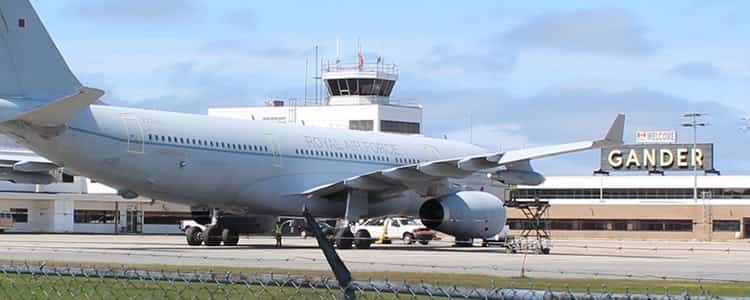
Gander is a town of modern living steeped in a rich history. You will find everything you need in a minute’s reach, including a plane to a favourite destination. A unique town all its own, Gander is a strategic location for families and businesses alike. Your insurance can be as unique as your route. At Munn Insurance you can find the most competitive auto insurance in Gander and save while you’re doing it.

Driving in Gander – Tips to keep you on the road.

KEEP THEM BUCKLED UP.

Car crashes are the leading cause of death and injury to children in Canada. When children are using an appropriate car seat, they are well protected with a minimized chance of injury due to an accident. Knowing a child’s height and weight before purchasing a new car seat is important, and there are multiple laws regarding which seats are appropriate for children of different heights, weight and ages. Be sure to know if your child is protected before hitting the road.

FOG MEANS FOCUSED.

Newfoundland means fog, and Gander is no exception to the towns that can be hit by this extremely dangerous weather condition that is often underplayed. Drivers should slow down as driving at normal speeds in fog can be very dangerous. Slowing down means more time to react to traffic stops and potential hazards. Also, motorists should avoid using high-beam headlights in fog as fog consists of tiny water droplets that spread and reflect light. Low-beams should be used to help vehicles to be visible to one another. And last, always remain focused. Turn down the radio, stop conversations and keep attention on the road.

AVOID THOSE DISTRACTIONS.

Newfoundland implements multiple laws regarding distracted driving. Follow the law and set yourself some guidelines to follow as well. Vow to not multi-task, keep kids and pets buckled in and secured in their areas, plan your route before you go and even try to avoid reaching for something that has been dropped in the car. All these guidelines can keep you and your passengers safe as you navigate the streets.

STRONG WIND MEANS SPECIAL CONSIDERATION.

Though wind may not seem like a significant risk but Newfoundland is known for its high gusts of winds through all seasons. Drivers need to take care when driving through areas prone to strong winds or when weather reports predict severe weather. Also, motorists should notice larger vehicles such as tractor-trailers as they are much more susceptible to high winds. And drivers should always keep a firm grip on the wheel as strong winds have the ability to push moving vehicles.
A few facts about car insurance in Gander.

  • The average age of auto insurance policyholder in Gander is 36
  • The average age of drivers in Gander is 50
  • The number of accident claims in Gander in 2018 was 1100
  • The top automotive brands we insure in Gander are Ford, Chevrolet, Honda, Toyota, Mazda, Chrysler, Hyundai
  • 59% of people in Gander drive Cars
  • 41% of people in Gander drive Trucks
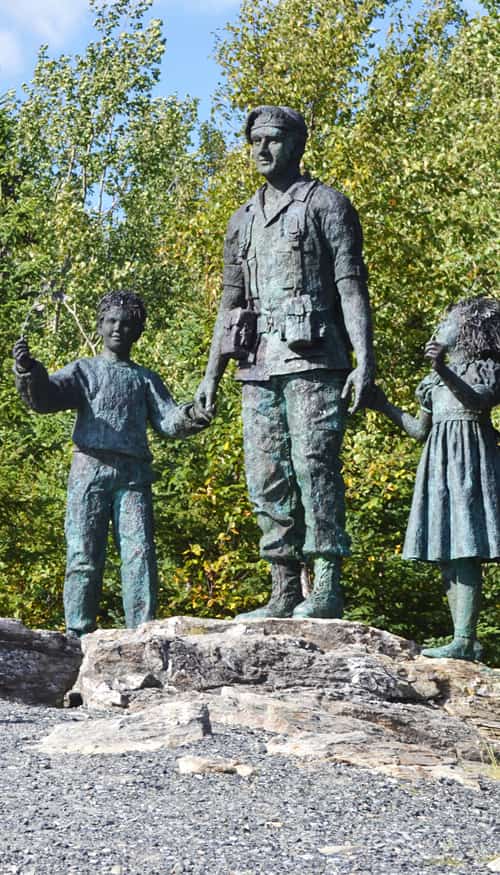
A father and son holding hands, smiling at one another.

Facts and myths about Gander.

FACTS

Gander hosted early experiments in aerial refuelling in the late 1930s.

The runways at Gander International Airport routinely handle the world’s largest, fastest and heaviest aircraft, up to and including the Antonov An-225.

Due to its strategic location and runway capacity, Gander was a designated alternate landing site for NASA’s Space Shuttle program.

Nearly all of Gander’s streets are named for famous aviators, from the Wright brothers, Alcock and Brown, Lindbergh and Earhart to more modern pioneers like Canadian astronauts Marc Garneau, Roberta Bondar and Chris Hadfield.

MYTHS

Gander has minimal health services.

Gander actually services the communities of Appleton, Benton and Glenwood. The health care in Gander includes Bell Place Community Health Centre, James Paton Memorial Regional Health Centre, and Lakeside Homes

There are limited economic opportunities.

The main economic industries include transportation, communications, public administration and defense. In addition, a large portion of the economy in Gander is driven by the service industry as it is central to a service area consisting of more than 80,000 people in some 130 communities within a 100km radius.

Gander doesn’t have many recreational attractions.

The Town supports and operates many parks, hiking trails, playgrounds and recreational programs year-round. Major facilities include a multi-purpose hockey arena, a curling club and an 18-hole golf course.

You need to leave to access retail and other services.

Town of Gander has over 420 businesses that include more than 200 dining and retail establishments.

We do the shopping. You get the savings.

Newfoundlanders love choice. And they love saving too! At Munn Insurance, we deliver on both. As an independent insurance broker, we shop our extensive network of insurance partners to provide our Newfoundland customers with the best coverage at the best rate. Some of the insurance companies we search for our customers include:

How Munn Insurance saves you money.

We work for you – that’s what an insurance broker does. We shop the market on your behalf, so Munn insurance can offer you the most access to the best discounts from our insurance partners.

  • Bundling (Auto + Home Discount)
  • Multiple Vehicle Discounts
  • Experienced Drivers Discount
  • Safe Drivers Discount
  • Claims-Free Discount
  • Loyalty Discount
  • And Many More

Combine your home and car policies and save.

With Munn Insurance, home and auto policies are better together. It means extra savings and additional coverage.  So combine them both and receive a discount on both. That’s like a double discount!

Combining also gives you the extra convenience of aligned renewal rates and less paperwork.

You can combine your auto policy with any Munn Insurance home policy for the following dwelling types:

  • Private Homes
  • Condos
  • Tenants
  • Cabins/Cottages
  • Rented Dwellings
A woman looking through a window.

Special discounts and savings with a Munn Insurance group policy.

We recognize the value groups provide to Newfoundland communities. First Responders, Health Care Professionals, Alumni Associations, Educators and Instructors all play a vital role in helping others across the Island. They give so much, and we’re happy to give back. Munn Insurance Preferred Groups in Newfoundland are able to take advantage of special discounts and many extra-valuable benefits.

  • Special Group Discounts
  • Mortgage & Real Estate Assistance
  • 0% Insurance Financing
  • Home Repair Assistance
  • Legal Assistance
  • Health Assistance
Energy NL
Allied Health Professionals
Tech NL
A. Harvey
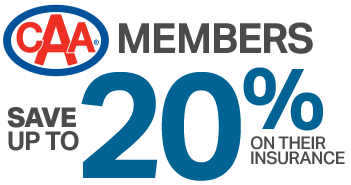
  • CAA Members can SAVE up to 20% on Auto and Home Insurance
  • Access to multiple insurance markets; knowing you get the best coverage at the best rate
  • Confidence and security of being a member of a preferred group
  • Local, fast and efficient 24/7 Claims Service
  • Legal Assistance
  • Health Assistance

Get Newfoundland’s best leisure vehicle protection.

Newfoundlanders love their leisure time and their leisure vehicles. MyRide Leisure Insurance from Munn Insurance is the most competitive, comprehensive leisure vehicle insurance available in Newfoundland. Whether it’s your ATV, motorhome, motorcycle – or any of your leisure vehicles – A Munn policy offers more protection and value than any other program you’ll find.

  • Boat and Watercraft
  • ATV
  • Snowmobile
  • Classic Cars and Auto
  • Motorhome, RV and Trailer
  • Motorcycle
A day and his son cleaning a Mustang car.
Someone driving an ATV
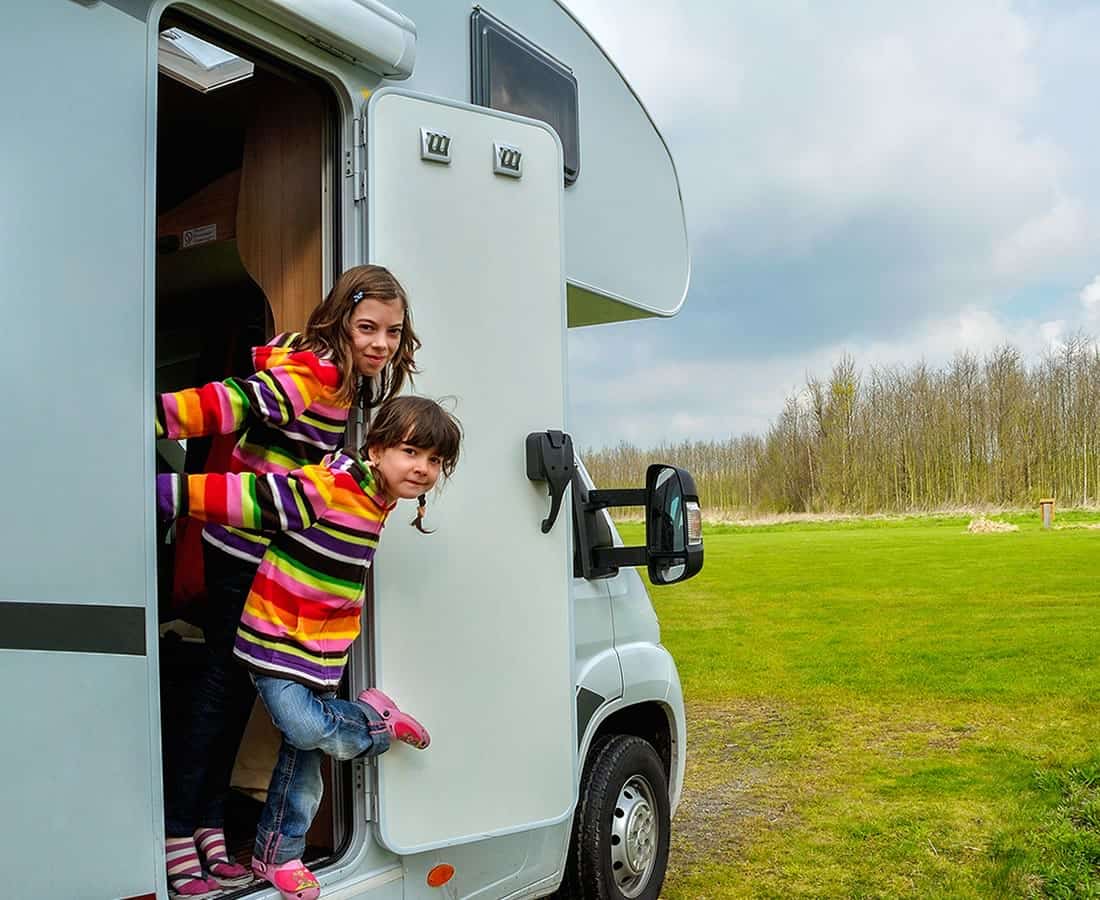
Two girls hanging out the door of an RV
A girl on a boat wearing a life jacket and holding a fishing rod.
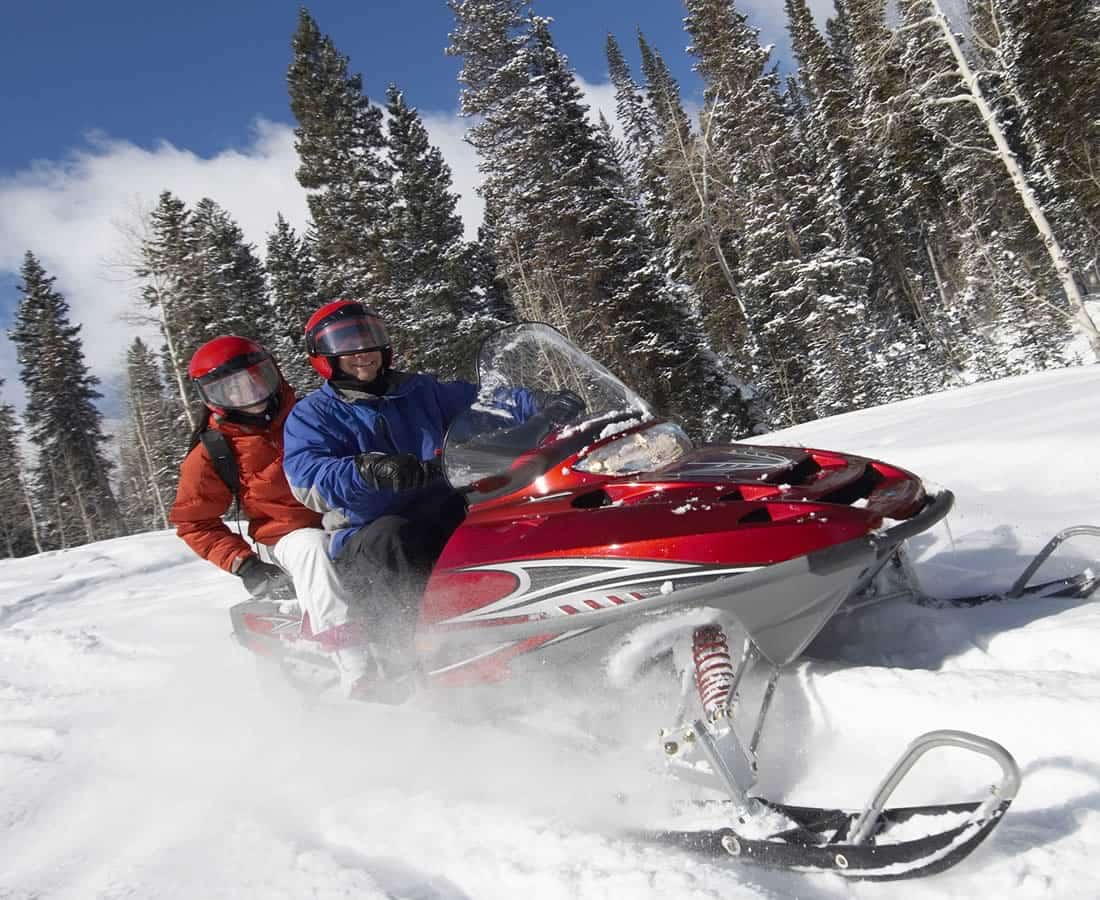
Two people riding a snowmobile.
Someone driving a motorcycle.

Car insurance laws in Gander.

Gander drivers must be in possession of legally determined minimum insurance coverage to drive on our roads. These minimum limits have been enacted to ensure drivers are financially responsible if an at-fault accident occurs.

Current limits for auto insurance in Gander are:

  • $200,000 in liability coverage per accident
  • Uninsured and unidentified motorist coverage

Gander drivers are not required to carry accident benefits coverage, although most do choose to buy this coverage, which includes coverage for medical payments, disability coverage, and death benefits coverage. This type of insurance is mandatory in other provinces. Many drivers in Newfoundland also opt to increase their liability coverage to limit risk and financial exposure.

There are also other optional coverages that can be purchased. These include comprehensive and collision coverage to protect in the event of an at-fault accident or non-accident scenario such as theft.
Gander car insurance – your questions answered.


A young girl sitting in a car seat in a pink jacket.
How is fault determined by insurance companies in Newfoundland and Labrador?2022-09-23T14:09:35-02:30

In Newfoundland, the adjusters for the insurance companies involved in the claim will determine who is at fault. Each insurance company uses its own guidelines to come up with a fault determination.

Newfoundland is unusual in Canada in that it has no type of no-fault benefits. The insurance company for the at-fault driver is responsible for paying out on damages to the other driver’s vehicle as well as for injuries. Accident benefits are not a mandatory coverage in Newfoundland but are available to drivers who choose to add them to their insurance policy.

The handling of claims is governed by insurance regulations; the 2004 reforms helped to reduce the cost of lawsuits, but drivers can still be sued for pain and suffering.

What insurance system does Newfoundland and Labrador adhere to?2022-09-23T14:09:35-02:30

Newfoundland and Labrador operates under the tort system. This lets you sue an at-fault driver for your pain and suffering, wage losses, and other damages related to an accident.

In Newfoundland and Labrador, what are the penalties for driving without auto insurance?2022-09-23T14:09:35-02:30

If you’re convicted of driving without insurance in Newfoundland and Labrador, you’ll have to pay a fine that ranges from $2,000 to $4,000 for your first offence. The fine increases to a range of $3,000 to $5,000 for second and subsequent offences. And there are other penalties that may accompany your fine. If you’re charged for driving without insurance in Newfoundland and Labrador, you may also have your driver’s license suspended and your vehicle impounded for 90 days.

Is auto insurance mandatory in Newfoundland and Labrador?2022-09-23T14:09:35-02:30

Yes. The law requires motorists to carry insurance on their vehicle.

What can I do to find cheap auto insurance in Newfoundland and Labrador?2022-09-23T14:09:35-02:30

There are many ways to get cheap auto insurance in Newfoundland and Labrador:

  • Work with an independent broker who can help you find the best policy
  • Always pay your premiums on time
  • Choose a vehicle with less susceptibility to theft
  • Choose a vehicle with more safety and security features
  • Maintain a good driving history
  • Obey the rules of the road and avoid speeding tickets
  • Understand and choose the right type of insurance coverage
  • Shop around for the best policy
Newfoundland and Labrador’s auto insurance rates are low. Why?2022-09-23T14:09:35-02:30

Auto insurance rates in Newfoundland and Labrador are on the lower side of the spectrum thanks, in large part, to the reforms enacted by the government in 2004. These auto insurance reforms helped reduce rates across the province. But according to the Insurance Bureau of Canada, additional reforms are necessary to maintain rate stability. Problems that allow for large pain and suffering awards for relatively minor injuries continue to exist in the province’s auto insurance system.

How do auto insurance rates in Newfoundland and Labrador compare to other provinces?2022-09-23T14:09:35-02:30

Newfoundland and Labrador auto insurance premiums fall in the lower half of the national rate spectrum.

  • Ontario $1445
  • British Columbia $1680
  • Alberta $1251
  • Manitoba $1080
  • North West Territories $978
  • Nunavut $963
  • Nova Scotia $847
  • Saskatchewan $936
  • New Brunswick $819
  • Prince Edward Island $796
  • Quebec $661

Source: Insurance Bureau of Canada, 2017 and 2016 for Quebec

What are the factors used to determine auto insurance rates in Newfoundland and Labrador?2022-09-23T14:09:35-02:30

Auto insurance rates in Newfoundland and Labrador are determined by a variety of factors:

  • Your driving record
  • The type and age of your car
  • Your insurance claims record
  • Your annual mileage and territory of use
  • How you use your car (personal or business)
  • Whether or not any other drivers in the household use your car

The 2004 auto insurance reform prevents auto insurance companies from denying coverage or increasing rates solely on the basis of any of these factors:

  • Age and gender
  • Age of the vehicle
  • Accidents in which you were not at fault
  • Lapses in insurance except when tied to a license suspension for a violation of traffic laws
  • Previously being refused insurance by another company
  • Being insured with Facility Association
In Newfoundland and Labrador, who determines auto insurance rates?2022-09-23T14:09:35-02:30

In Newfoundland and Labrador, individual insurers set auto insurance rates, which are then regulated and approved by the Newfoundland and Labrador Board of Commissioners of Public Utilities. Among the top factors that go into determining your rate are your driving record including tickets or at-fault accidents, the value of the car you drive as well as the make and model, and your driving habits including the length of your daily commute.

As one of Atlantic Canada’s largest independent brokers, we work for you – not the insurance company. So we always have your best interests at heart. That’s why we will shop around to find you the best insurance at the best price.

Our Latest Advice

Protecting Your Small Business During Busy Seasons

Busy seasons can be exciting and a little hectic for small business owners. More customers, longer hours, seasonal events, increased inventory, and stronger sales can all create opportunities for growth.

But when business picks up, risk often increases too.

For many businesses in Atlantic Canada, including Newfoundland and Labrador and Nova Scotia, peak periods can look different depending on the industry. For some, summer brings tourism, festivals, outdoor patios, and increased foot traffic. For others, the busy season may be tied to holidays, construction schedules, fishing and marine activity, retail promotions, or weather-dependent work.

Whatever your peak season looks like, it is a good time to review your risks, update your procedures, and make sure your commercial insurance still fits the way your business is operating.

At Munn Insurance, we help small business owners understand how seasonal changes can affect their coverage and overall risk.

When business gets busier, exposures can change

A business that is operating at full speed often looks different from the same business during a slower period. You may be carrying more inventory, serving more customers, hiring temporary staff, hosting events, extending hours, using outdoor spaces, or relying more heavily on suppliers and delivery schedules.

These changes can affect your insurance needs and your day-to-day risk management.

Common busy-season risks include:

  • Theft, shoplifting, or break-ins
  • Cyber fraud, phishing, or payment-related scams
  • Customer injuries or slip-and-fall incidents
  • Employee or seasonal staff mistakes
  • Property damage from storms, wind, rain, fire, or power outages
  • Inventory shortages or supply chain delays
  • Equipment breakdowns during high-demand periods
  • Increased vehicle or delivery use
  • Higher cash flow and transaction volume

The goal is not to slow down your business. The goal is to prepare before a busy period creates problems.

Theft and property risks

Higher customer traffic, outdoor displays, temporary storage, and increased inventory can make theft and property losses more likely.

Retailers, restaurants, contractors, tourism operators, and service businesses may all carry more stock, tools, equipment, or cash during peak periods. If those values are higher than what your policy reflects, your coverage may need to be reviewed.

Practical steps include:

  • Updating inventory and equipment values
  • Securing doors, windows, storage areas, sheds, trailers, and outdoor displays
  • Using cameras, alarms, and proper lighting
  • Limiting cash kept on site
  • Keeping records of higher-value stock, tools, or equipment
  • Reviewing theft deductibles and policy limits with your broker

Cyber and payment-related risks

Small businesses rely heavily on technology, even when they are not considered “tech” companies. Online bookings, debit and credit card payments, email, cloud software, customer databases, websites, and social media accounts all create potential cyber exposure.

During busy periods, staff may be moving quickly, responding to more emails, processing more transactions, and dealing with more customer requests. That can make it easier for phishing emails, fake invoices, payment scams, or suspicious links to slip through.

To reduce cyber risk:

  • Use strong passwords and multi-factor authentication
  • Train staff to recognize phishing and fraudulent payment requests
  • Limit access to sensitive customer or payment information
  • Back up important business records
  • Keep software and payment systems updated
  • Review cyber liability or data breach coverage with your broker

Cyber coverage can be especially important if your business stores customer information, accepts online payments, books appointments online, or depends on digital systems to operate.

Seasonal staff and training gaps

Many businesses rely on seasonal, casual, part-time, or temporary workers during peak periods. These employees can be a major help, but they may not know your procedures as well as long-term staff.

Training gaps can lead to customer service issues, safety concerns, privacy mistakes, equipment damage, or liability claims.

Before the busy season starts, make sure staff understand:

  • Customer service expectations
  • Emergency procedures
  • Cash handling or payment processes
  • Privacy and customer information rules
  • Safe use of equipment
  • Cleaning, inspection, and maintenance procedures
  • How to report incidents or hazards

A short training session can help prevent small issues from becoming larger problems.

Weather and business interruption risks

Atlantic Canadian businesses know that weather can change quickly. Heavy rain, high winds, coastal storms, snow, freezing conditions, wildfire smoke, heat, and power outages can all affect operations depending on the season and location.

A weather-related event can damage property, interrupt deliveries, close roads, affect utilities, or force a temporary shutdown.

Businesses should consider:

  • How long they could operate without power
  • Whether they have backup suppliers or alternate delivery options
  • How key records are backed up
  • Whether important equipment is protected
  • How they would communicate with customers during a closure
  • Whether business interruption coverage is included in their policy

Business interruption insurance may help replace lost income and cover certain ongoing expenses after an insured loss. Your broker can explain how this coverage works and whether your current limits are appropriate.

Slip, trip, and fall hazards

Busy seasons often mean more people moving through your business. Wet entryways, outdoor patios, crowded displays, extension cords, uneven walkways, snow and ice, loose mats, and temporary event setups can all increase the chance of injury.

Slip-and-fall claims are a common liability concern for many businesses.

To reduce the risk:

  • Keep walkways, entrances, exits, and aisles clear
  • Use non-slip mats where appropriate
  • Clean up spills quickly
  • Secure cords and temporary displays
  • Inspect patios, parking areas, stairs, and ramps
  • Document regular inspections and maintenance
  • Have staff report hazards right away

Good housekeeping and clear procedures can go a long way in preventing injuries.

Supply chain and staffing disruptions

A busy season can put pressure on suppliers, delivery schedules, and staffing levels. If your business depends on certain products, materials, equipment, or employees, a delay or shortage can quickly affect sales and customer service.

It is worth having a simple contingency plan before peak season begins.

Consider:

  • Backup suppliers
  • Alternate delivery options
  • Cross-training employees
  • Ordering key inventory earlier
  • Keeping emergency contact lists updated
  • Reviewing vendor agreements
  • Planning for employee illness, vacation, or turnover

Insurance may not solve every supply chain issue, but the right coverage and planning can help reduce the impact of certain disruptions.

Review your insurance before peak season

Your commercial insurance should reflect how your business operates during its busiest periods, not just during slower months.

Before your peak season, speak with your broker about:

  • Increased inventory or stock
  • Seasonal employees
  • Outdoor operations, patios, displays, or events
  • Higher customer traffic
  • Cyber and payment risks
  • Delivery, vehicle, or transportation changes
  • Business interruption coverage
  • Equipment, tools, or property values
  • Weather-related exposures
  • Liability limits

A quick review can help identify whether your current policy still fits or whether adjustments should be made.

Final thoughts

Busy seasons bring opportunity, but they also bring added responsibility. A little planning can help protect your business, your customers, your employees, and your ability to keep operating when something unexpected happens.

At Munn Insurance, we work with small business owners across Atlantic Canada to review seasonal risks, identify coverage gaps, and build insurance solutions that fit the way their businesses operate.

Getting ready for a busy season? Contact Munn Insurance today at 1-855-726-8627 to speak with one of our business insurance experts or visit us online at www.munninsurance.com.

May 27, 2026|Categories: Commercial Insurance|
Go to Top