Service and Savings in Newfoundland

Current Customers
Auto Newfoundland2025-12-15T19:27:44-03:30

Save on car insurance in Newfoundland.

We’re one of Newfoundland’s largest independent brokers. We specialize in auto insurance. With a simple online quote or a quick call, you will get quotes from up to eight insurance companies. With dependable protection and benefits, you can trust you’re covered wherever the road takes you. That’s a promise.

Switch to Munn

It’s Simple 😉

Real people.

Our customers love to save.

I am incredibly impressed with Munn. The person I spoke with really cared about my needs and didn’t brush me off as some competitors try to do.

Kay, St. John's

Lisa is the bomb. We are in Ontario and she made it so easy for us. Thanks Lisa at Munn Insurance.

Diane, St. John's

I thought it would be difficult to switch from my current insurer – but my new policy was easy to set up! Plus I saved on my car and home insurance.

Peter, Halifax

Real people.

Our customers love to save.

I am incredibly impressed with Munn. The person I spoke with really cared about my needs and didn’t brush me off as some competitors try to do.

Kay, St. John's

Unique benefits of a Munn Insurance auto policy.

A father and son holding hands, smiling at one another.

Great additional features that come standard with your car insurance policy from Munn Insurance:

  • Unbeatable customer care – we will show you the love
  • Easy monthly payments – unparalleled convenience
  • Discounts, discounts and more discounts – too many to list them all
  • Accident forgiveness – the best available
  • Local, fast and efficient 24-7 claims service
  • Combine your home and auto policy and save on both – most companies only give the home discount
  • Industry leading new vehicle 30-month depreciation waiver – which is insurance speak for “more money in your pocket!”

Compare auto insurance quotes in Newfoundland and Labrador — and just see what you can do with the savings!

In Newfoundland and Labrador, auto insurance is available from a wide array of private companies who compete with one another to allow consumers to shop around for a better rate. As an independent broker, Munn Insurance can provide you with quotes from up to eight insurance companies. By calling Munn, or going online for a quote, customers in Newfoundland can easily compare car insurance rates and find the best car insurance and save on their auto insurance premiums.
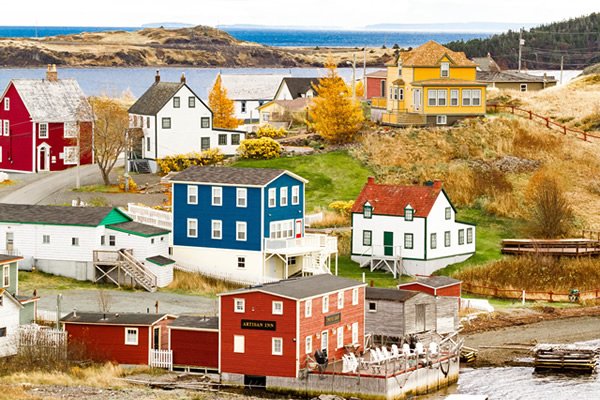

A view of the saltbox houses in Trinity, Newfoundland.
A mom dropping her son off at school.

We do the shopping. You get the savings.

Customers love choice. And they love saving too! At Munn Insurance, we deliver on both. As an independent insurance broker, we shop our extensive network of insurance partners to provide our customers with choices to provide the best coverage at the best rate. Some of the insurance companies we search for our customers include:

Insurance Logos

Recent Car Insurance Quotes in Newfoundland and Labrador

How Munn Insurance saves you money.

We work for you – that’s what an insurance broker does. We shop the market on your behalf, so Munn insurance can offer you the most access to the best discounts from our insurance partners.

  • Bundling (Auto + Home Discount)
  • Multiple Vehicle Discounts
  • Experienced Drivers Discount
  • Safe Drivers Discount
  • Claims-Free Discount
  • Loyalty Discount
  • And Many More

Combine your home and car policies and save.

With Munn Insurance, home and auto policies are better together. It means extra savings and additional coverage.  So combine them both and receive a discount on both. That’s like a double discount!

Combining also gives you the extra convenience of aligned renewal rates and less paperwork.

You can combine your auto policy with any Munn Insurance home policy for the following dwelling types:

  • Private Homes
  • Condos
  • Tenants
  • Cabins/Cottages
  • Rented Dwellings
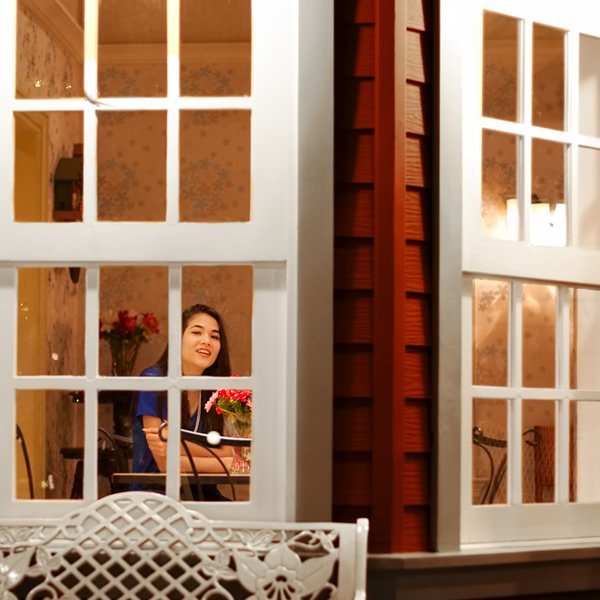
A woman looking through a window.

Special discounts and savings with a Munn Insurance Group policy.

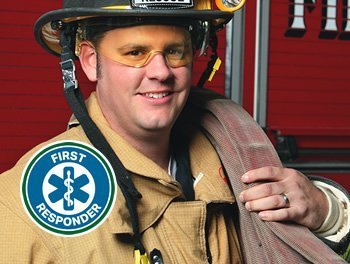
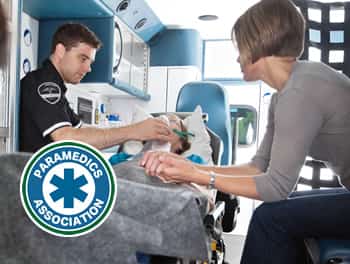
We recognize the value groups provide to Newfoundland communities. First Responders, Health Care Professionals, Alumni Associations, Educators and Instructors all play a vital role in helping others across the Island. They give so much, and we’re happy to give back. Munn Insurance Preferred Groups in Newfoundland are able to take advantage of special discounts and many extra-valuable benefits.

  • Special Group Discounts
  • Mortgage & Real Estate Assistance
  • 0% Insurance Financing
  • Home Repair Assistance
  • Legal Assistance
  • Health Assistance
Energy NL
Allied Health Professionals
Tech NL
A. Harvey

Munn Insurance is CAA’s preferred insurance provider in Newfoundland.

A mom and her two kids sitting in the trunk of their car.
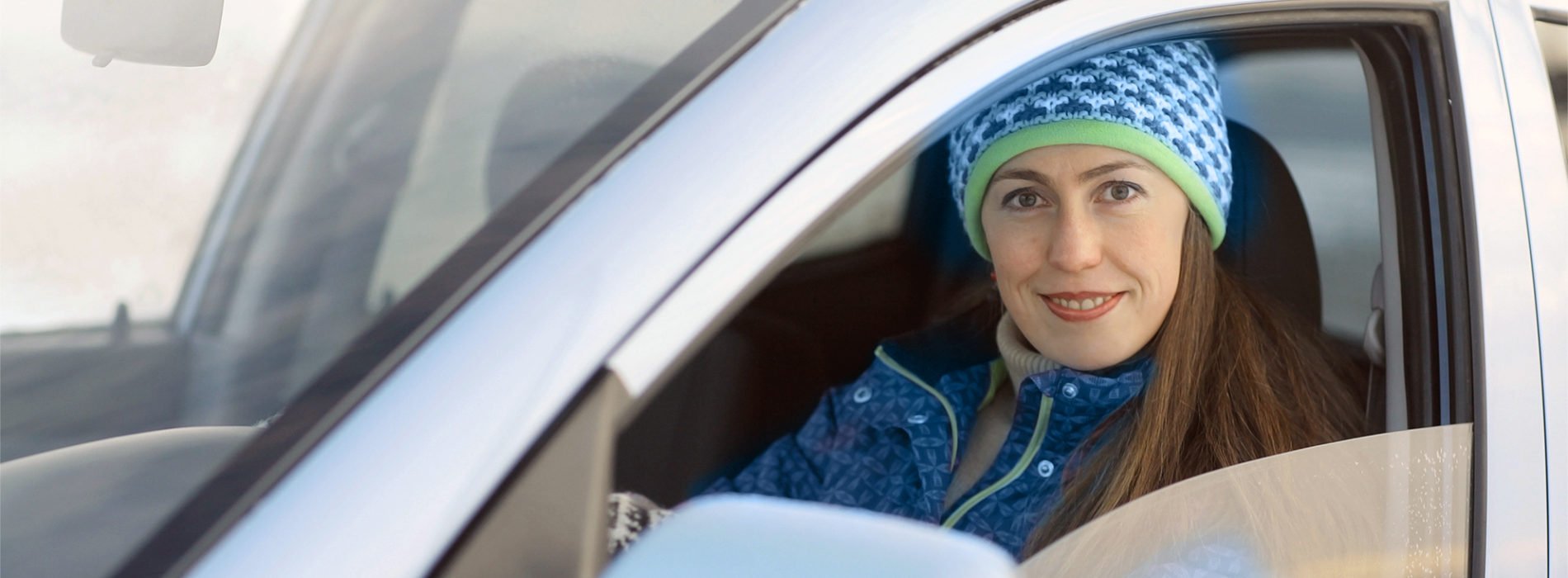
A woman sitting in her car looking out the window smiling.
  • CAA Members can SAVE up to 20% on Auto and Home Insurance
  • Access to multiple insurance markets; knowing you get the best coverage at the best rate
  • Confidence and security of being a member of a preferred group
  • Local, fast and efficient 24/7 Claims Service
  • Legal Assistance
  • Health Assistance

Get Newfoundland’s best leisure vehicle protection.

Newfoundlanders love their leisure time and their leisure vehicles. MyRide Leisure Insurance from Munn Insurance is the most competitive, comprehensive leisure vehicle insurance available in Newfoundland. Whether it’s your ATV, motorhome, motorcycle – or any of your leisure vehicles – A Munn policy offers more protection and value than any other program you’ll find.

  • Boat and Watercraft
  • ATV
  • Snowmobile
  • Classic Cars and Auto
  • Motorhome, RV and Trailer
  • Motorcycle
A day and his son cleaning a Mustang car.
Someone driving an ATV
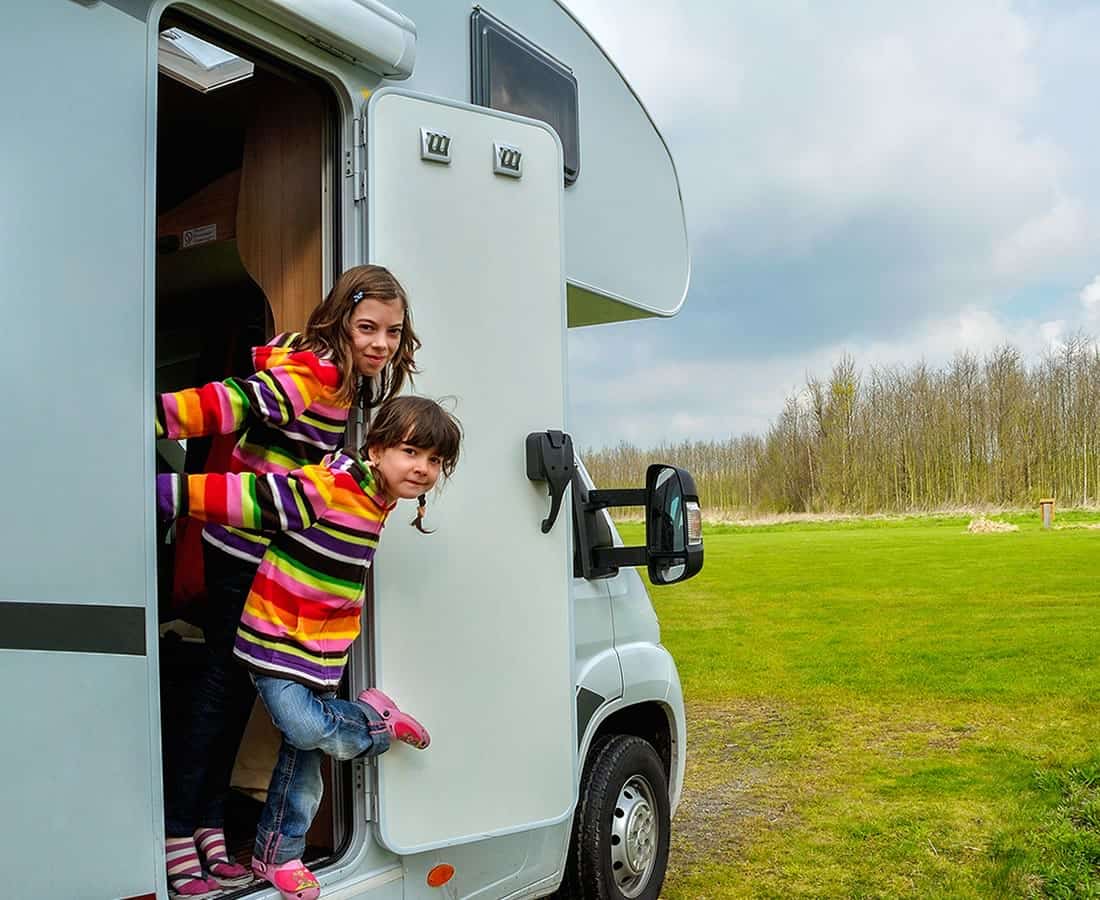
Two girls hanging out the door of an RV
A girl on a boat wearing a life jacket and holding a fishing rod.
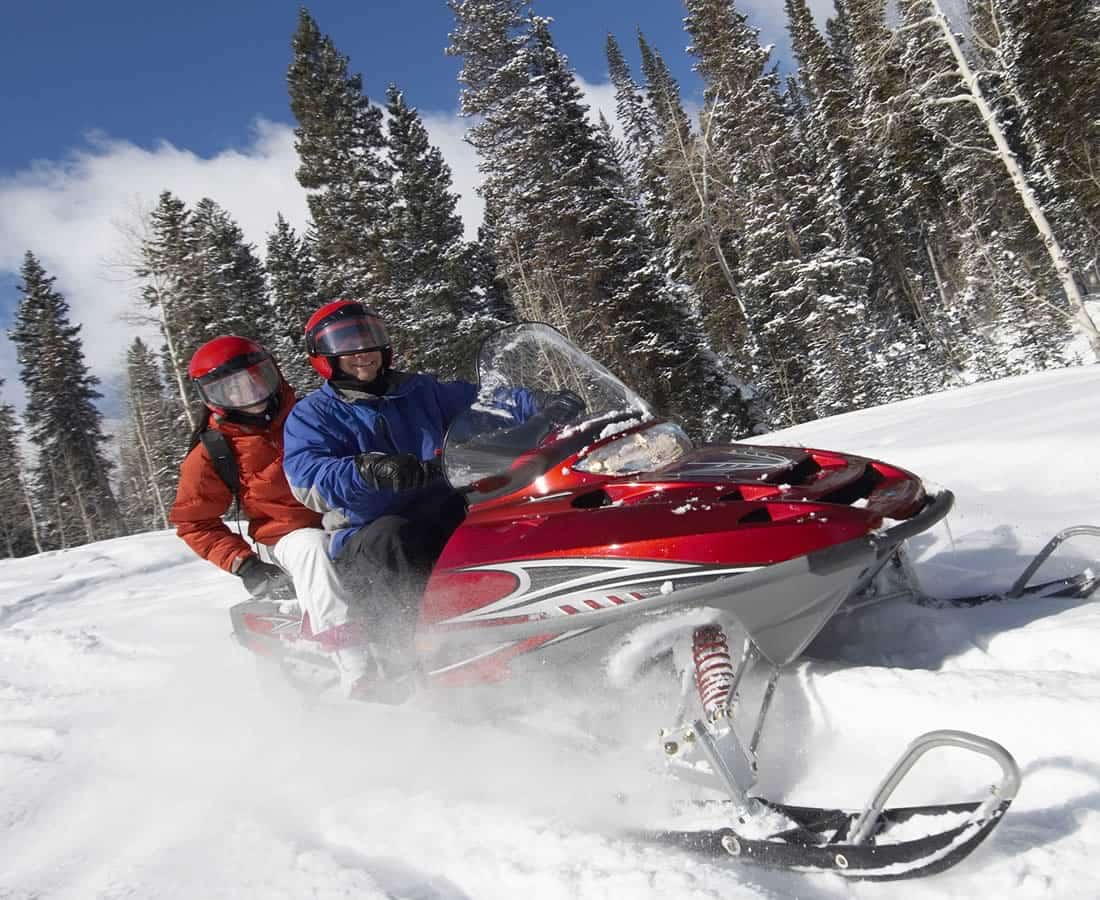
Two people riding a snowmobile.
Someone driving a motorcycle.

Car insurance laws in Newfoundland.

Newfoundland and Labrador drivers must be in possession of legally determined minimum insurance coverage to drive on our roads. These minimum limits have been enacted to ensure drivers are financially responsible if an at-fault accident occurs.

Current limits for auto insurance in Newfoundland are:

  • $200,000 in liability coverage per accident
  • Uninsured and unidentified motorist coverage

Newfoundland drivers are not required to carry accident benefits coverage, although most do choose to buy this coverage, which includes coverage for medical payments, disability coverage, and death benefits coverage. This type of insurance is mandatory in other provinces. Many drivers in Newfoundland also opt to increase their liability coverage to limit risk and financial exposure.

There are also other optional coverages that can be purchased. These include comprehensive and collision coverage to protect in the event of an at-fault accident or non-accident scenario such as theft.
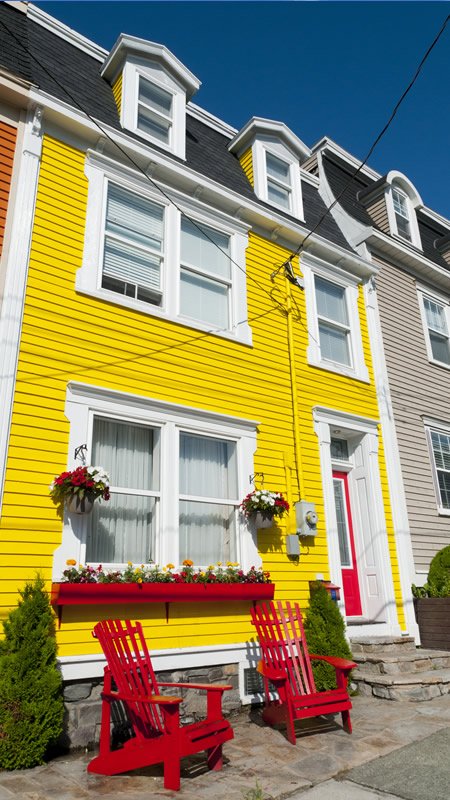
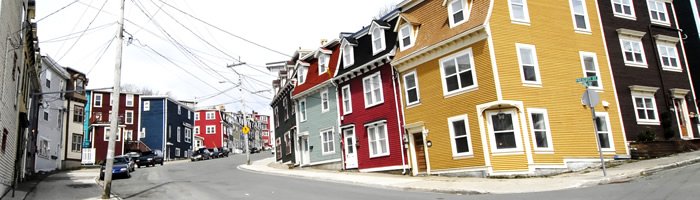
A yellow townhouse in downtown, St. John's.

Newfoundland car insurance – your questions answered.

A young girl sitting in a car seat in a pink jacket.
How is fault determined by insurance companies in Newfoundland and Labrador?2022-09-23T14:09:35-02:30

In Newfoundland, the adjusters for the insurance companies involved in the claim will determine who is at fault. Each insurance company uses its own guidelines to come up with a fault determination.

Newfoundland is unusual in Canada in that it has no type of no-fault benefits. The insurance company for the at-fault driver is responsible for paying out on damages to the other driver’s vehicle as well as for injuries. Accident benefits are not a mandatory coverage in Newfoundland but are available to drivers who choose to add them to their insurance policy.

The handling of claims is governed by insurance regulations; the 2004 reforms helped to reduce the cost of lawsuits, but drivers can still be sued for pain and suffering.

What insurance system does Newfoundland and Labrador adhere to?2022-09-23T14:09:35-02:30

Newfoundland and Labrador operates under the tort system. This lets you sue an at-fault driver for your pain and suffering, wage losses, and other damages related to an accident.

In Newfoundland and Labrador, what are the penalties for driving without auto insurance?2022-09-23T14:09:35-02:30

If you’re convicted of driving without insurance in Newfoundland and Labrador, you’ll have to pay a fine that ranges from $2,000 to $4,000 for your first offence. The fine increases to a range of $3,000 to $5,000 for second and subsequent offences. And there are other penalties that may accompany your fine. If you’re charged for driving without insurance in Newfoundland and Labrador, you may also have your driver’s license suspended and your vehicle impounded for 90 days.

Is auto insurance mandatory in Newfoundland and Labrador?2022-09-23T14:09:35-02:30

Yes. The law requires motorists to carry insurance on their vehicle.

What can I do to find cheap auto insurance in Newfoundland and Labrador?2022-09-23T14:09:35-02:30

There are many ways to get cheap auto insurance in Newfoundland and Labrador:

  • Work with an independent broker who can help you find the best policy
  • Always pay your premiums on time
  • Choose a vehicle with less susceptibility to theft
  • Choose a vehicle with more safety and security features
  • Maintain a good driving history
  • Obey the rules of the road and avoid speeding tickets
  • Understand and choose the right type of insurance coverage
  • Shop around for the best policy
Newfoundland and Labrador’s auto insurance rates are low. Why?2022-09-23T14:09:35-02:30

Auto insurance rates in Newfoundland and Labrador are on the lower side of the spectrum thanks, in large part, to the reforms enacted by the government in 2004. These auto insurance reforms helped reduce rates across the province. But according to the Insurance Bureau of Canada, additional reforms are necessary to maintain rate stability. Problems that allow for large pain and suffering awards for relatively minor injuries continue to exist in the province’s auto insurance system.

How do auto insurance rates in Newfoundland and Labrador compare to other provinces?2022-09-23T14:09:35-02:30

Newfoundland and Labrador auto insurance premiums fall in the lower half of the national rate spectrum.

  • Ontario $1445
  • British Columbia $1680
  • Alberta $1251
  • Manitoba $1080
  • North West Territories $978
  • Nunavut $963
  • Nova Scotia $847
  • Saskatchewan $936
  • New Brunswick $819
  • Prince Edward Island $796
  • Quebec $661

Source: Insurance Bureau of Canada, 2017 and 2016 for Quebec

What are the factors used to determine auto insurance rates in Newfoundland and Labrador?2022-09-23T14:09:35-02:30

Auto insurance rates in Newfoundland and Labrador are determined by a variety of factors:

  • Your driving record
  • The type and age of your car
  • Your insurance claims record
  • Your annual mileage and territory of use
  • How you use your car (personal or business)
  • Whether or not any other drivers in the household use your car

The 2004 auto insurance reform prevents auto insurance companies from denying coverage or increasing rates solely on the basis of any of these factors:

  • Age and gender
  • Age of the vehicle
  • Accidents in which you were not at fault
  • Lapses in insurance except when tied to a license suspension for a violation of traffic laws
  • Previously being refused insurance by another company
  • Being insured with Facility Association
In Newfoundland and Labrador, who determines auto insurance rates?2022-09-23T14:09:35-02:30

In Newfoundland and Labrador, individual insurers set auto insurance rates, which are then regulated and approved by the Newfoundland and Labrador Board of Commissioners of Public Utilities. Among the top factors that go into determining your rate are your driving record including tickets or at-fault accidents, the value of the car you drive as well as the make and model, and your driving habits including the length of your daily commute.

As one of Atlantic Canada’s largest independent brokers, we work for you – not the insurance company. So we always have your best interests at heart. That’s why we will shop around to find you the best insurance at the best price.

Our Latest Advice

Get Your Cottage and Insurance Ready for a Relaxing Summer

For many people across Newfoundland and Labrador, Nova Scotia, and the rest of Atlantic Canada, opening the cottage is one of the first real signs that warmer weather is on the way. After months of snow, wind, and freezing temperatures, it is hard not to look forward to dock days, BBQ suppers, and weekends by the water.

But before you settle in for the season, it is worth taking the time to open your cottage properly.

A careful spring check can help you catch damage left behind by winter, make sure key systems are working the way they should, and reduce the chances of running into bigger problems once summer is in full swing. It is also a good time to think about your cottage insurance and whether your coverage still fits how you use the property.

Why a Proper Cottage Opening Matters

After sitting closed up all winter, a seasonal property can develop issues that are easy to miss at first glance. Snow load, ice buildup, freezing temperatures, moisture, and pests can all cause damage over the off-season. A thorough opening routine gives you a chance to spot those problems early, before they turn into expensive repairs.

There is also the safety side of things. Checking your heating equipment, electrical systems, water lines, and overall condition helps make sure the cottage is ready for you, your family, and your guests.

And from an insurance perspective, maintenance matters. Keeping your cottage in good condition can help reduce risk, and spring is a smart time to review your policy to make sure you still have the right protection for your seasonal property.

A Cottage Opening Checklist for Spring

Here are some practical steps to help get your place ready for another season.

  1. Start with a full exterior walkaround. Before carrying anything inside, take a slow walk around the property. Check the roof, siding, foundation, deck, steps, windows, and doors for signs of winter damage. Look for missing shingles, cracked vents, loose flashing, fallen branches, and blocked gutters or downspouts. This first look can help you catch obvious issues before they get worse.
  2. Check for signs of water damage or moisture. When you go inside, look for staining on ceilings or walls, soft spots near windows and doors, warped wood, or any musty smell that could point to moisture or mould. Winter leaks are easier to deal with when they are found early. Pay close attention to basements, crawl spaces, utility rooms, and areas around plumbing.
  3. Inspect the fireplace or woodstove. If your cottage has a fireplace or woodstove, give it a proper inspection before using it. Check the chimney and venting for blockages, nesting materials, or visible damage. Make sure the damper is working and clear out any leftover ash if that was not done at the end of the season. If the system has not been professionally cleaned or inspected in a while, spring is a good time to book that service.
  4. Restore power carefully. If the power was shut off for the winter, turn it back on carefully and check that your electrical panel is operating normally. Once power is restored, test major appliances one at a time, such as the fridge, freezer, stove, and microwave. It is also a good idea to check smoke alarms and carbon monoxide detectors at this stage and replace batteries where needed.
  5. Get heating and cooling systems ready. Early spring weather in Atlantic Canada can still be chilly, so you may need heat before you need open windows. If your cottage uses a furnace, heat pump, baseboards, or another heating system, make sure everything is working properly. If you use an air conditioning unit later in the season, now is also a good time to clean filters and clear away debris.
  6. Turn the water back on slowly. Bringing the water system back online is one of the most important parts of opening a cottage. Turn on the main supply slowly, then check pipes, taps, toilets, and the hot water tank for leaks. Run each faucet individually and watch for any drops in pressure or signs of damage from freezing. If your property uses a well or water filtration system, inspect those components too and replace filters if needed.
  7. Take a look at the septic system. Before the cottage gets busy for the season, inspect the area around your septic tank and field. Watch for pooling water, unusual odours, or soggy ground that could signal a problem. If it has been a while since the system was serviced or pumped, it may be time to arrange that before peak summer use.
  8. Check for pests and unwanted visitors. Seasonal properties can attract mice, insects, and other animals over the winter. Look for droppings, nests, chewed materials, or openings where pests may have gotten inside. Check storage areas, under sinks, in cupboards, and around utility access points. Dealing with it now is much easier than discovering it mid-season.
  9. Restock supplies and inspect stored items. Go through your pantry, cleaning supplies, and any products left at the cottage over winter. Some items do not hold up well in freezing temperatures, including certain paints, liquids, cleaners, and canned goods. Throw out anything damaged, expired, or questionable. Once that is done, restock the basics so the cottage is ready for use.
  10. Get outdoor equipment ready. If you have a BBQ, reconnect the propane tank and inspect the hoses, burners, and igniter before using it. Clean the grill thoroughly and make sure everything is working safely. This is also a good time to check patio furniture, the dock, tools, and any other outdoor equipment you will be relying on during the summer.
  11. Update your photos and records. Taking photos at the start of the season is a smart habit. A current set of exterior and interior photos can help you document the condition of the property and contents, which may be helpful for insurance purposes if damage or theft happens later. Keep receipts for any repairs, upgrades, or new items you bring to the cottage.
  12. Stock the fridge and enjoy the season. Once the essentials are checked and the cottage is running properly, you can do the fun part. Fill the fridge, open the windows, let in some fresh air, and get ready to enjoy the season ahead.
  13. Stay on top of routine maintenance. Opening weekend is also a good time to tackle smaller maintenance jobs before they turn into bigger and more expensive problems later on. Cleaning eavestroughs, checking caulking around windows and doors, inspecting the roof, servicing heating equipment, tightening loose boards, and looking for early signs of wear can all help prevent larger issues down the road. A little preventative maintenance each season can go a long way toward protecting your cottage, avoiding unexpected repairs, and keeping everything in good shape for the months ahead.

Questions We Hear Often Hear from Cottage Owners About their Insurance:

Here are a  few common questions we hear from our customer:

  1. Does my cottage policy cover wildfire damage? Many cottage owners assume fire coverage is the same from one policy to the next, but that is not always the case. Fire coverage is a key part of cottage insurance, but policy wording still matters. Some policies may include limitations or exclusions that affect how certain losses are handled. If you have a woodstove, fireplace, or other solid-fuel heating source, it is especially important to review the policy details with your broker. After the wildfire concerns and burn bans seen across parts of Atlantic Canada last summer, this is an important time to review your policy wording carefully. Not all cottage policies offer the same protection, and this is one area where the details matter.
  2. Does my cottage policy still reflect the value of the property? If you have made improvements, added a deck, replaced the roof, built a bunkie, or upgraded finishes or systems, your coverage may need to be updated. Spring is a good time to make sure your building limit still reflects what it would cost to repair or rebuild.
  3. Are my shed, garage, bunkie, or other outbuildings covered? Not always in the way people expect. Some policies include limited coverage for detached structures, while others may have restrictions or separate limits. If you have added outbuildings or made improvements to existing ones, it is worth reviewing how they are insured.
  4. Do I have coverage for water damage or sewer backup? This is one of the biggest areas where policies can differ. Water damage coverage is not the same on every policy, and sewer backup may be included, optional, limited, or excluded depending on the insurer and the property. It is important to know what your policy actually says before a problem happens.
  5. Do I have adequate water damage coverage and what does it cover? Maybe.  Maybe not.  The wording in your policy matters. And even if included, coverage often depends on the circumstances and whether the property was properly winterized, maintained, and checked as required by the policy. Seasonal properties can come with specific conditions, so it is important to understand your responsibilities while the cottage is unoccupied.
  6. Are there exclusions or special limits in my policy I should know about? Possibly. Not all cottage policies offer the same level of protection. Some may have lower limits for certain types of losses, restrictions on detached buildings, or exclusions for specific risks. Reviewing the details now can help prevent surprises at claim time.
  7. Do I need to update my policy if I made changes last year? Yes, in many cases. Renovations, new structures, updated heating systems, or changes in how often the cottage is used can all affect your insurance. Even changes that seem minor can matter when it comes to your coverage.
  8. Is my contents coverage enough for what I keep at the cottage? Cottages often contain more value than people realize, from furniture and appliances to tools, watercraft, and recreational gear. Spring is a good time to think about what is actually on the property and whether your contents coverage still makes sense.
  9. What should I review with my broker before cottage season starts? Ask about your building limit, valuation, outbuilding coverage, water damage protection, sewer backup, contents limits, liability coverage, exclusions, and any policy conditions that apply while the property is vacant or unoccupied. A short conversation in the spring can help you head into the season with more confidence.

Review Your Cottage Insurance Before the Season Starts

Spring is also a good time to take a closer look at your cottage insurance. Not all policies are built the same, and two cottage policies can look similar at first glance while providing very different protection.

It is important to review details such as:

  1. Building limits and valuation — Make sure the amount of insurance on the cottage still reflects what it would cost to repair or rebuild today.
  2. Outbuilding coverage — Sheds, detached garages, bunkies, boathouses, and other structures may have separate limits or restrictions.
  3. Water damage protection — Coverage for water losses can vary significantly from one policy to another.
  4. Sewer backup coverage — Some policies include it, some offer it as an option, and some may have lower limits.
  5. Fire-related exclusions or restrictions — Certain policies may contain exclusions or limitations, including wording related to hostile fire damage.
  6. Coverage limits overall — Some policies may include lower sub-limits for specific types of damage, property, or detached structures.
  7. Excluded coverages — There may be protections you assume are included that are actually excluded unless added separately.

That is why it is so important to review the fine print and ask questions before the season begins. If you have made upgrades to the property, added a new outbuilding, installed a woodstove, or changed how often the cottage is used, those details could affect your coverage.

A quick policy review now can help avoid surprises later if you ever need to make a claim.

Enjoy Cottage Season with Confidence

Getting your cottage ready for spring takes a bit of work, but it can make a big difference. A proper opening helps protect your property, gives you a better sense of any issues that need attention, and helps set the stage for a safer, more relaxing season.

Whether your getaway is in Newfoundland and Labrador, Nova Scotia, or elsewhere in Atlantic Canada, a little preparation now can help you make the most of every weekend ahead.

If you are getting ready to open your seasonal property, talk to Munn Insurance about making sure your cottage coverage is ready for the season too.

April 7, 2026|Categories: Home Newfoundland, Home Nova Scotia, News|
Go to Top