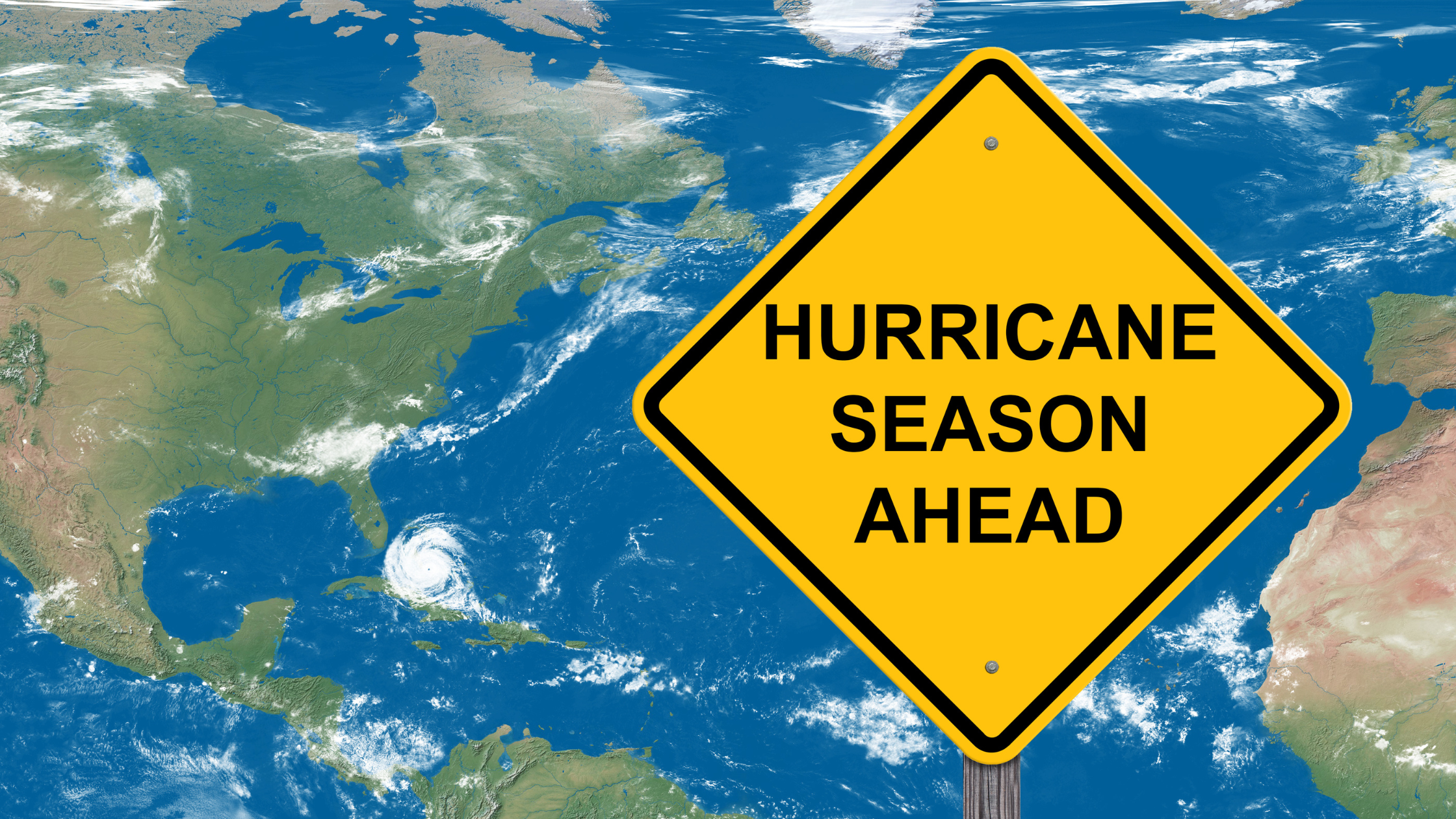
Be Prepared, Hurricane Season is Here
Hurricane season is officially upon us in Atlantic Canada, and it is important to be prepared.
Here are our top 10 tips for making sure you and your loved ones are safe during this hurricane:
- Be prepared with an emergency safety kit. Build an emergency safety kit and make a family communications plan. Click here to view an emergency safety kit checklist.
- Secure your property. Make plans to secure your property. Be sure trees and shrubs around your home are well-trimmed so they are more wind resistant. Clear loose and clogged rain gutters and downspouts. Bring in all outdoor furniture, decorations, garbage cans, and anything else that is not tied down. Determine how and where to secure your boat or other recreational vehicles stored on or near your property. Turn off propane tanks.
- Secure food and water supply. Arrange for a supply of drinking water and food; enough for three or four days. Keep a supply of water for sanitary purposes, such as cleaning and flushing toilets. Fill the bathtub and other larger containers with water.
- Prepare for power failure. Install or purchase a portable generator for emergencies. Keep a supply of batteries and flashlights. Make sure your electronics are charged.
- Stay safe during the hurricane. Stay indoors during the hurricane and away from windows and glass doors. Close all interior doors, and secure and brace external doors. Keep curtains and blinds closed. Do not be fooled if there is a lull; it could be the eye of the storm, and winds will pick up again. Take refuge in a small interior room, closet, or hallway on the lowest level. Lie on the floor under a table or another sturdy object. Avoid elevators.
- NEVER use a generator inside. This includes homes, garages, crawlspaces, sheds, or similar areas, even when using fans or opening doors and windows for ventilation. Deadly levels of carbon monoxide can quickly build up in these areas and can linger for hours, even after the generator has shut off.
- Stay safe after the hurricane. Continue listening to the radio or the local news for the latest updates. If you were evacuated, return home only when officials say it is safe.
- Be careful when you go out after the hurricane. If you must go out, watch for fallen objects including downed electrical wires, weakened walls, bridges, roads, and sidewalks. Keep away from loose or dangling power lines and report them immediately to the power company.
- Stay off the roads until it is safe. After the hurricane, drive only if necessary and avoid flooded roads and washed-out bridges. Stay off the streets.
- Post-hurricane check. Walk carefully around the outside of your home and check for loose power lines, gas leaks, and structural damage before entering. Inspect your home for damage. Take pictures of damage, both the building and contents, for insurance purposes. If you have any doubts about safety, have your residence inspected by a qualified building inspector or structural engineer before entering.
Before the hurricane hits, examine your home insurance or rental insurance policy to learn the details of how you will be covered (and what is excluded) in the event of a flood.
In addition to insuring your home, we are committed to helping you and your loved ones stay safe when disaster strikes. If you would like more information on developing a family emergency plan or building an emergency safety kit, please contact Munn Insurance at 855-726-8627 today.
Related News

Recent News

Are Students Living Away for School Covered by Their Parents’ Home Insurance?
They may be. Dependents under age 21 who are temporarily living away from home while attending school may still have coverage under their parents’ or guardians’ home insurance policy. But families shouldn’t simply assume that [...]
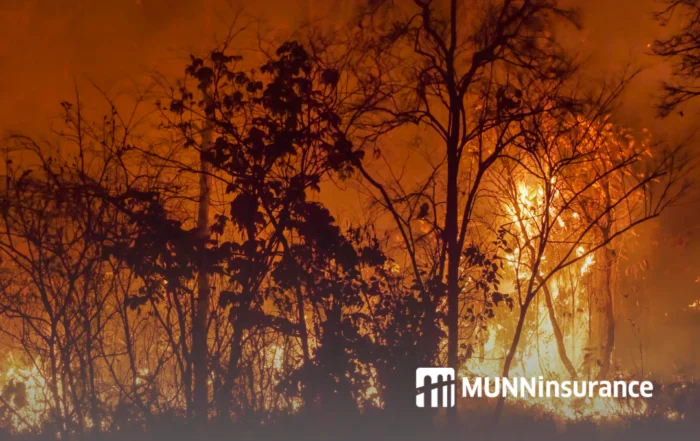
Wildfire Preparedness in Atlantic Canada: Protecting Your Home, Cabin or Business
With the very recent situation in Kenmount Terrace, we are reminded of the dangers of wildfires...
Builder’s Risk Insurance: What Every Homeowner Should Know Before Construction Begins
Building a new home or undertaking a major renovation is an exciting milestone, but it also introduces risks that many homeowners don’t consider until it’s too late. One of the biggest misconceptions in residential construction [...]