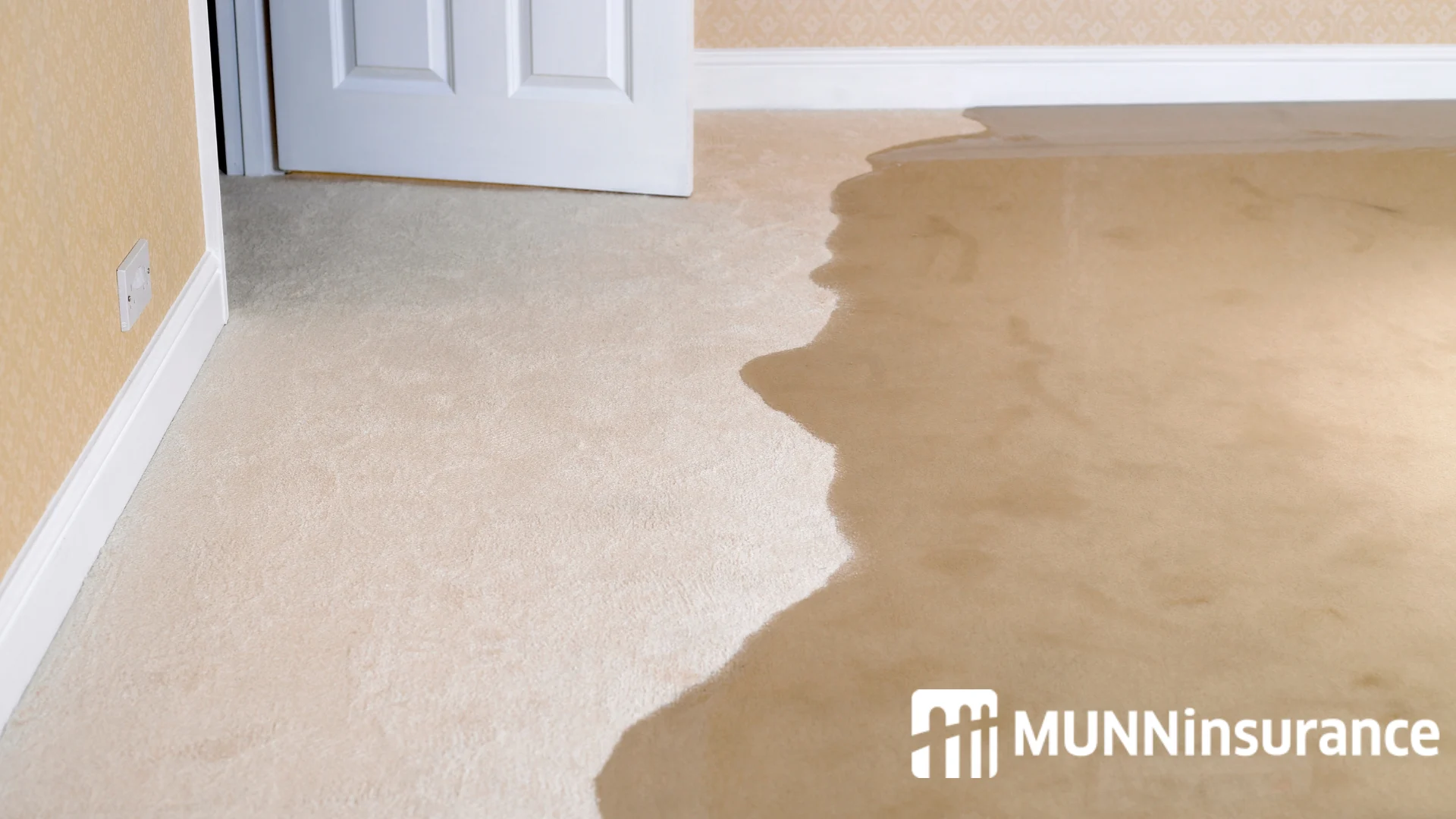
How to Protect Your Home from Sewer Backup and Why Your Insurance Coverage Matters
A sewer backup is one of the most unpleasant things a homeowner can deal with. Raw sewage in your basement can cause serious damage to your floors, walls, belongings, and HVAC systems, and the cleanup costs can add up quickly.
Whether you own a home in Newfoundland and Labrador, Nova Scotia, or elsewhere in Atlantic Canada, a little prevention can go a long way.
Here is what homeowners should know.
Be Careful What You Flush or Drain
One of the most common causes of household backups is what goes down the drain.
- Never pour cooking oil or grease down the sink. It may be liquid when it goes in, but it solidifies in the pipes and builds up over time.
- Only flush toilet paper. Wipes, hygiene products, and paper towels, even products labelled “flushable” do not break down properly and can cause blockages.
- Use drain strainers in your sinks and showers to catch hair and food scraps before they have a chance to cause problems.
These small habits can make a real difference in keeping your drains clear.
Watch Out for Tree Roots
If you have large trees on your property, their root systems may be closer to your sewer line than you think. Roots naturally grow toward moisture, and aging or cracked pipes can be an attractive target.
- Tree roots can work their way into pipes and cause significant blockages or structural damage over time.
- If you have mature trees near your sewer line, it is worth scheduling routine inspections, especially if your home is older.
- A licensed plumber can use a camera to check for root intrusion before it becomes a bigger problem.
Catching root damage early is much less expensive than dealing with a collapsed line.
One important thing to understand about tree root damage and your insurance: sewer backup coverage will cover interior damage if tree roots cause a backup inside your home, but it does not cover the buried service line itself. If the damage to the water or sewer line is on your property, you are responsible for the cost of repairing it and that repair can be significant. It may involve excavating your yard and replacing landscaping, on top of the plumbing work itself.
Coverage add-ons for buried service lines are available, and this is exactly the kind of gap that is easy to overlook until it is too late. It is worth reviewing your policy or speaking with a broker to find out what protection you currently have and what options are available to you.
Regular Maintenance Matters
Like most things in your home, your drainage system benefits from routine care.
- Consider scheduling professional drain cleaning every one to two years, particularly if you have noticed slow drains in the past.
- Hydro jetting: a process that uses high-pressure water to clear buildup can be a good option if your pipes are prone to grease or scale accumulation.
- Keep your main sewer cleanout accessible. If a backup does occur, your plumber will need to reach it quickly.
Staying on top of maintenance is one of the best ways to avoid a costly emergency call.
Protect Against Heavy Rain and Flooding
Spring runoff and heavy rainfall can put pressure on municipal sewer systems, which can sometimes cause sewage to flow the wrong way.
- A backwater valve is one of the most effective tools available to homeowners. It allows sewage to flow out normally but automatically closes if flow reverses. Some municipalities offer rebates for installation, so it is worth checking with your local government.
- Make sure your sump pump is in good working order before the rainy season arrives. Consider a battery backup in case of a power outage during a storm.
- Check that your gutters and downspouts are directing water away from your foundation, not pooling around it.
These measures can be especially important for homes in low-lying areas or older neighbourhoods with aging infrastructure.
Know the Early Warning Signs
The sooner you catch a problem, the less damage it tends to cause. Keep an eye out for the following:
- Slow drains throughout the house, not just in one location
- Gurgling sounds coming from your toilets or sinks
- Water backing up in the basement or in the lowest drain in your home
- Sewage odours coming from your drains
If you notice any of these signs, it is a good idea to call a plumber before the situation gets worse.
Does Your Home Insurance Cover Sewer Backup?
This is an important question, and the answer is not always straightforward. Sewer backup coverage is not automatically included in every home insurance policy; in many cases, it is an optional add-on. Without it, the cost of cleanup, repairs, and replacing damaged contents would fall entirely on you.
Given how quickly those costs can escalate, it is worth reviewing your current policy to confirm what is and is not covered.
It is also important to know your coverage limit and what options are available. Coverage limits can vary significantly from policy to policy, and serious losses can easily exceed $50,000 if a finished basement is involved. Knowing your limit before something goes wrong gives you the opportunity to increase it if needed.
If you are unsure about your sewer backup coverage or if you would like to review your home insurance to make sure it fits your needs, speak with an advisor at Munn Insurance. We are here to help you understand your options and make sure your home is properly protected.
Related News


Recent News
Employees Use their Personal Vehicles for Work? What Every Business Owner Needs to Know
Using a personal vehicle for work is common. A business owner may use their own pickup to visit customers, carry tools or travel between job sites. An employee may use their personal car to attend [...]

How to Talk to Your Kid About E-Bike and E-Scooter Safety
E-bikes and e-scooters are giving young people more freedom — and putting them into traffic at higher speeds. Here are the conversations parents should be having about helmets, visibility, speed, traffic and safe riding. E-bikes [...]
E-Scooters and E-Bikes Are an Emerging Risk on Our Streets: What Drivers, Parents and Young Riders Need to Know
E-scooters and e-bikes are an emerging risk on our streets, putting more young riders into traffic with cars, trucks and SUVs. They are convenient, fun and increasingly popular. But they can also move surprisingly fast, [...]